Before any renovation in a pre-1978 home – or before you can sell, rent, or remediate – you may need a professional lead paint test. In New York City and Long Island, lead paint testing is not just smart practice; in many situations, it’s legally required. Here’s what the process involves, what it costs, and how to find a certified inspector.
Two Types of Lead Paint Testing
There are two primary methods certified inspectors use to test for lead paint in residential and commercial properties:
XRF Testing (X-Ray Fluorescence)
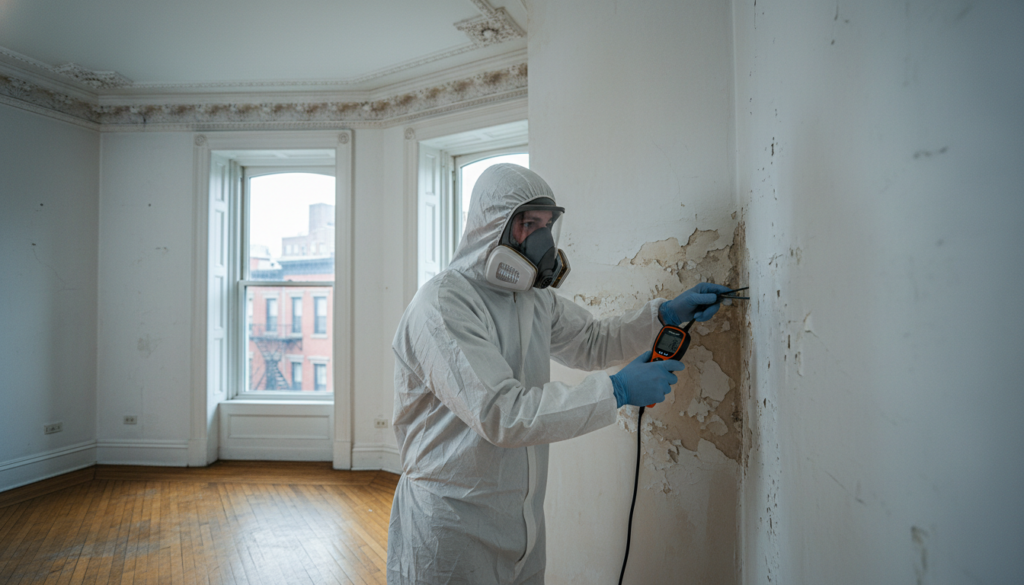
XRF is the gold standard for lead paint testing. A handheld device emits X-rays that interact with lead atoms in painted surfaces and measures lead content in milligrams per square centimeter. XRF testing is:
- Non-destructive – no need to chip or damage surfaces
- Fast – an inspector can test dozens of surfaces per hour
- Highly accurate – results are immediate and don’t require lab analysis
XRF is the preferred method for pre-renovation surveys, real estate transactions, and NYC Local Law 1 compliance inspections.
Paint Chip Sampling
Paint chip samples are collected from specific surfaces and sent to an accredited laboratory for analysis. This method is more invasive (it damages the surface) but may be used when XRF equipment is unavailable or when results need to meet specific documentation standards. Lab turnaround is typically 3-5 business days.
When Is Lead Paint Testing Required in New York?
Several situations trigger a legal or practical requirement for lead paint testing in NYC and Long Island:
- Rental properties in NYC: Under NYC Local Law 1, landlords with units in pre-1960 buildings (or pre-1978 buildings where children under 6 reside) must conduct annual visual inspections and address deteriorated lead paint. A full inspection may be required after tenant turnover.
- Pre-renovation in pre-1978 homes: EPA RRP Rule requires testing or presumption of lead before renovation work that disturbs painted surfaces.
- Real estate transactions: FHA and VA loans require lead paint disclosure and, if deterioration is visible, testing and remediation before closing.
- Child lead poisoning investigation: If a child tests positive for elevated blood lead levels, the NYC Health Department or Nassau/Suffolk health departments may order an environmental inspection.
Lead Paint Testing Costs in NYC and Long Island (2026)
Costs vary based on property size, number of surfaces tested, and the type of inspection ordered:
- Single-room XRF inspection: –
- Full home XRF inspection (up to 2,000 sq ft): –
- Full home XRF + risk assessment: – ,200
- Paint chip sampling (per sample): – (plus lab fees)
- NYC Local Law 1 compliance inspection: – per unit
A lead inspection identifies where lead paint exists. A lead risk assessment goes further – it evaluates which lead paint hazards pose an immediate risk based on condition and location. For most homeowners considering renovation or sale, a full risk assessment is the more useful document.
What Happens After a Positive Lead Test?
A positive result doesn’t automatically mean you must act immediately – it depends on the paint’s condition and location. Your inspector will classify findings into:
- Lead paint hazards: Deteriorated paint, friction surfaces (windows/doors), impact surfaces – require prompt remediation
- Lead paint in good condition: May be managed through regular monitoring and maintenance rather than immediate removal
If remediation is required, you’ll need a certified lead abatement contractor to perform the work. Our team handles the full process – from initial testing coordination through certified removal and post-abatement clearance verification.
Frequently Asked Questions
Can I test for lead paint myself?
DIY lead test swabs are available at hardware stores and can indicate the presence of lead, but they are not accepted for legal or regulatory compliance purposes. For rental compliance, pre-renovation documentation, or real estate transactions, you must use a certified lead inspector or risk assessor.
How do I find a certified lead inspector on Long Island?
Search the EPA’s Lead Professional Registry or the New York State Department of Health’s certified lead contractor database. Inspectors must hold both EPA certification and NYS DOH certification to conduct legally recognized inspections in New York.
How long does a lead paint inspection take?
An XRF inspection of a typical Long Island home takes 2-4 hours. A full risk assessment including soil sampling and dust wipe sampling may take a full day. Results from XRF testing are available immediately; risk assessment reports are typically delivered within 5-7 business days.
Is lead paint testing required before selling a home in New York?
Testing is not required, but disclosure is. Sellers of pre-1978 homes must provide buyers with any known lead paint information and the EPA’s “Protect Your Family from Lead in Your Home” pamphlet. Buyers have a 10-day window to conduct their own lead inspection before finalizing the sale.
Conclusion
Lead paint testing is the critical first step before renovation, sale, or remediation in any pre-1978 NYC or Long Island property. Whether you’re a homeowner, landlord, or property manager, understanding what’s in your walls – and what condition it’s in – protects both your occupants and your legal standing. Upper Restoration coordinates certified lead inspections and provides full abatement services across Nassau and Suffolk County. Contact us to get started.
Related: → Complete Restoration Guide for Long Island Homeowners
Frequently Asked Questions
Is my home safe to enter after a fire?
Not immediately. Structure may be compromised and electrical systems damaged. Wait for official clearance from the fire department.
What does fire damage restoration involve?
Assessment, water removal from firefighting, debris removal, soot cleaning, deodorization, structural repairs, and rebuilding.
How long does fire damage restoration take?
Small fires may take 2-4 weeks; larger fires can require 2-6 months. Firefighting water damage extends the timeline.
Will my insurance cover fire damage?
Yes, fire damage is covered by standard homeowners insurance. File a claim immediately and document all damage.
What about smoke damage after a fire?
Smoke damage includes soot coating, odor penetration, and air quality issues requiring specialized professional cleaning.
Can I stay in my home during restoration?
Typically no. Homes undergoing fire restoration are not safe for occupancy. Most homeowners stay elsewhere.