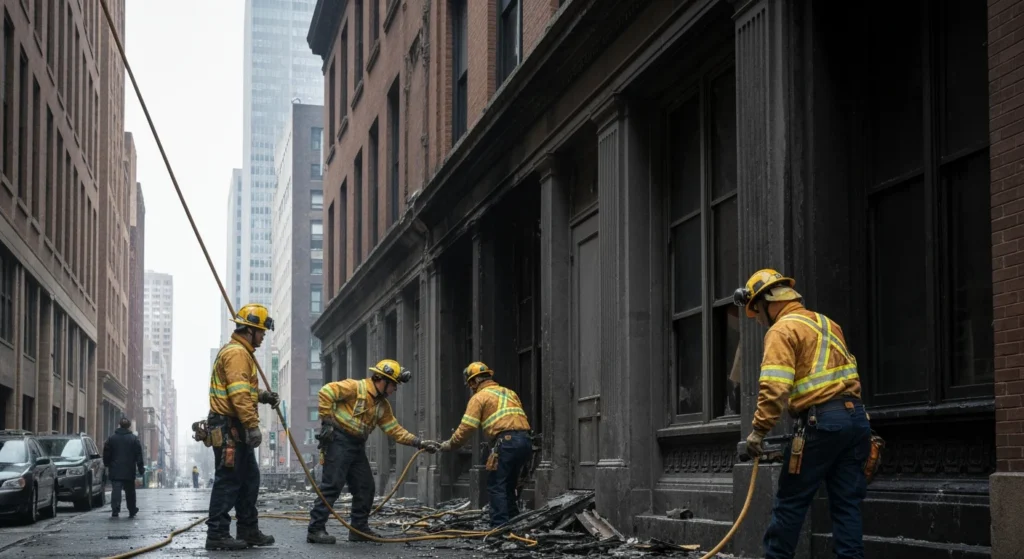
Kitchen fires are the leading cause of residential fire damage in New York City. Most start on the stovetop and are extinguished quickly by residents or FDNY, leaving structural damage limited to one room — but fire damage to a kitchen creates a complex restoration chain that extends beyond what is immediately visible. Smoke, soot, and heat damage travel through wall cavities, HVAC systems, and adjacent spaces, and the permitting requirements for kitchen reconstruction in NYC add a layer of complexity that does not exist in most suburban markets.
What a Kitchen Fire Actually Damages
The visible burn damage to cabinets, countertops, and appliances is the obvious starting point. But heat rises and smoke travels, which means a kitchen fire also deposits soot throughout ceiling cavities, distributes smoke odor through the HVAC ductwork serving adjacent rooms, and may thermally stress structural framing elements above the fire origin. A proper damage assessment includes a full inspection of the space above the ceiling, not just the visible surfaces in the kitchen.
Smoke and Soot Damage: The Hidden Restoration Challenge
Smoke damage from a kitchen fire is not simply a cleaning problem. Different materials burn and produce different types of smoke residue: protein smoke from cooking fires is oily and nearly invisible but creates a powerful, persistent odor; dry smoke from structural materials is powdery and easier to clean but may penetrate porous surfaces deeply. Effective smoke odor elimination requires ozone treatment or hydroxyl generation after physical cleaning — standard surface cleaning alone will not eliminate smoke odor from a kitchen fire in a sealed space.
NYC Permits Required for Kitchen Reconstruction
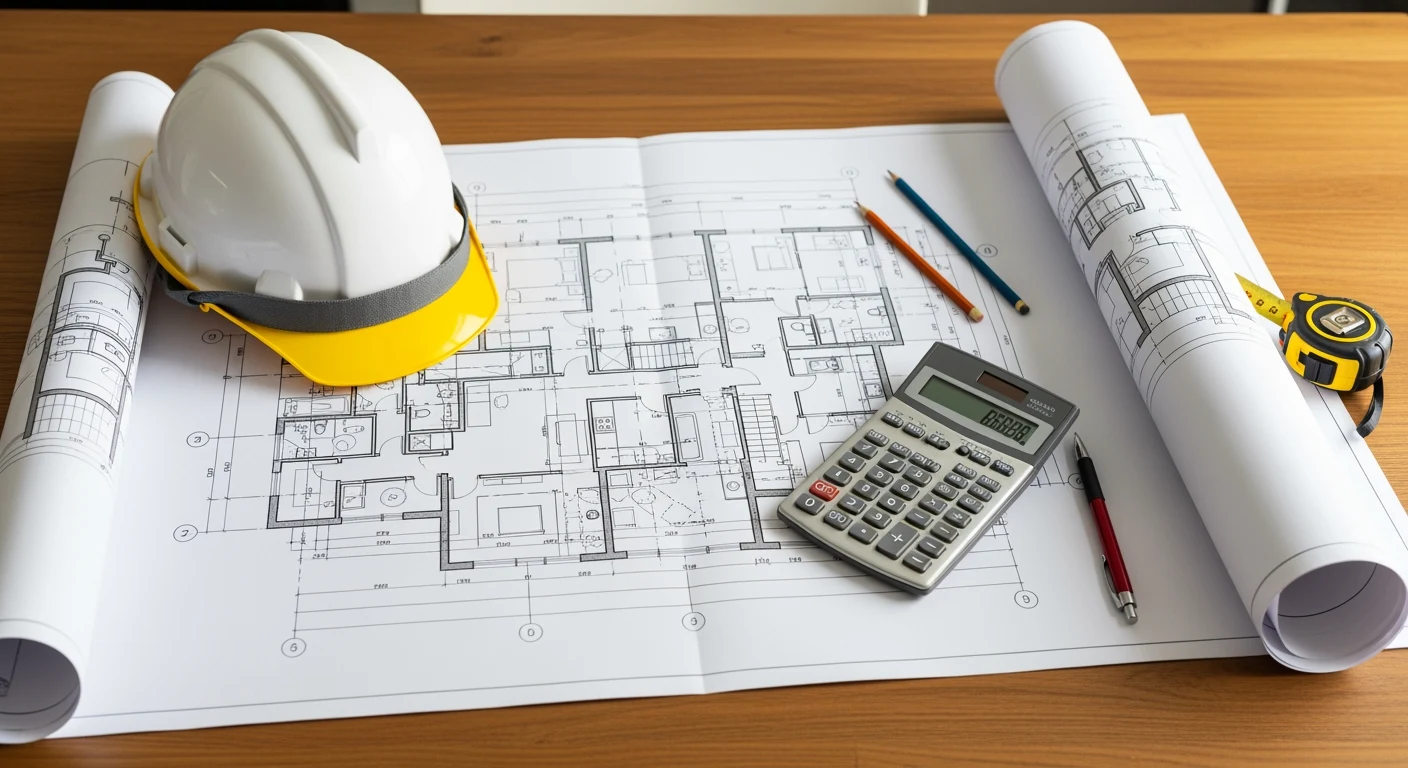
Any structural work in a kitchen requires DOB permits. Replacing cabinets and countertops on a like-for-like basis may not require a permit, but any changes to the plumbing, electrical, gas lines, or ventilation system — all of which are common in a kitchen fire restoration — require Alt-2 or Alt-3 permits depending on scope. Work involving gas line repair or replacement requires a licensed master plumber and DOB inspection. Restoration companies working in NYC should carry all required contractor licenses and be experienced with the DOB filing process.
Upper Restoration’s Kitchen Fire Process
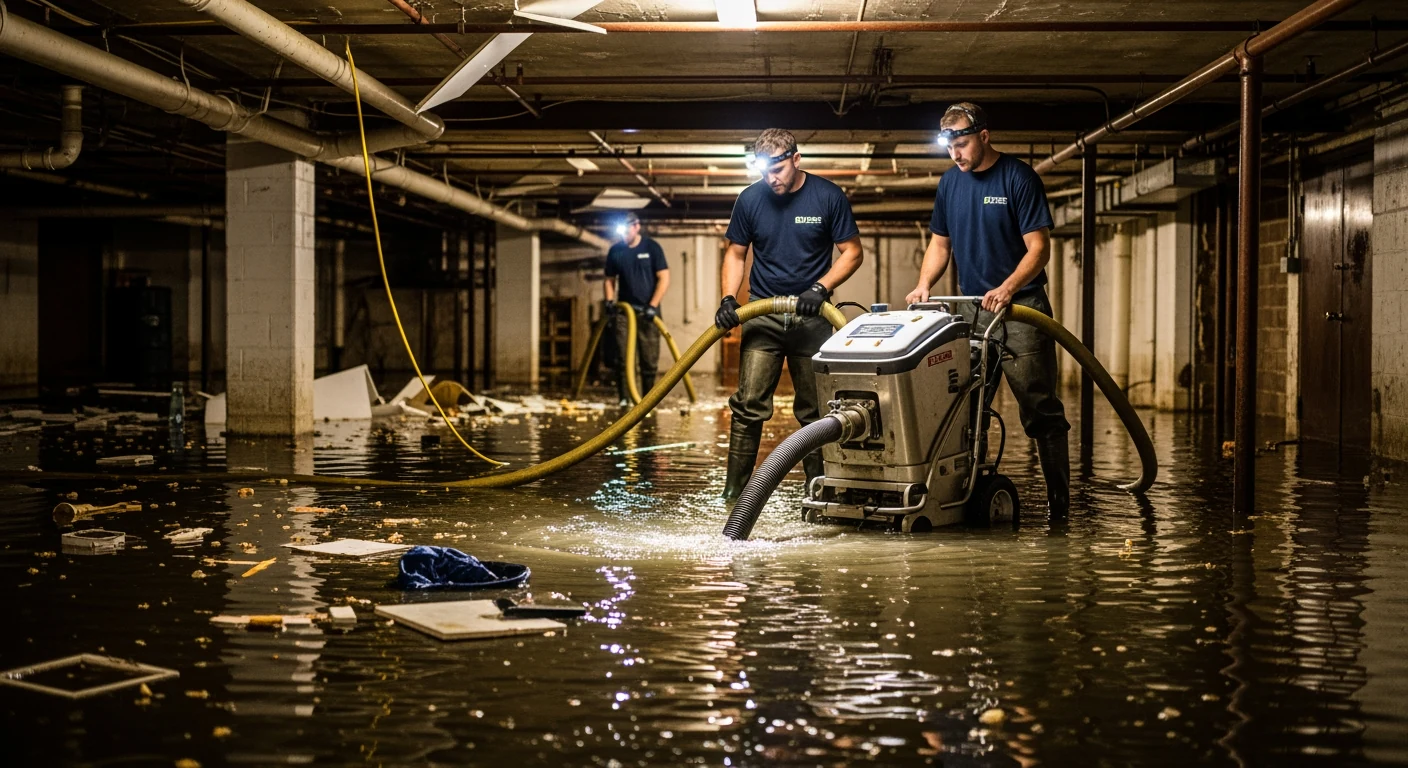
Upper Restoration handles kitchen fire restoration from initial emergency stabilization through final inspection. Our process includes an emergency board-up and smoke containment within hours of the fire, a complete damage assessment including hidden damage above ceilings, coordination with your insurance carrier for scope and pricing approval, and reconstruction by our licensed contractors. We manage the DOB permit process and coordinate all required inspections through certificate of occupancy.
Frequently Asked Questions
Can I stay in my home during kitchen fire restoration?
If the fire damage is limited to the kitchen and smoke damage in adjacent areas is moderate, you may be able to stay with some inconvenience. If smoke odor is pervasive throughout the living areas or if structural work requires the kitchen to be completely open, temporary relocation is typically recommended. Your insurance policy’s additional living expense coverage applies to this situation.