It’s a question no one wants to ask — but after a burst pipe, roof leak, or flood, it’s often the first thing on your mind: Can I still stay here?
The truth is, not all water damage is dangerous right away. But what you can’t see — trapped moisture, bacteria, and mold — is what makes this question important.
In this article, we’ll help you understand the risks, what to watch for, and when it’s best to leave (or call for help).
Not All Water Damage Is the Same
Before answering “is it safe?”, it helps to know what kind of water you’re dealing with. The restoration industry classifies water into three types:
- Clean Water (Category 1): From a broken pipe or appliance. Generally safe — if addressed quickly.
- Gray Water (Category 2): From dishwashers, washing machines, or rain. May contain contaminants.
- Black Water (Category 3): From sewage, flooding, or rising groundwater. Contains bacteria and pathogens.
If your home has black water damage, it’s not safe to stay — even if the mess looks manageable. The health risks are real.
Hidden Risks That Follow Water Damage
Even if the water appears gone, these problems may be growing behind the walls:
- Mold growth — Can begin within 24–48 hours and aggravate asthma, allergies, or immune conditions
- Weakened floors or ceilings — Moisture can degrade structural materials
- Electrical hazards — Waterlogged wiring may short or spark, even days later
- Air quality issues — Damp drywall and insulation can release musty odors and MVOCs (mold-related gases)
For elderly residents or those with respiratory issues, these risks escalate quickly.
Signs It’s Time to Leave (Or Call for Help)
You may want to stay home while drying things out — especially if you’re waiting on insurance. But if you notice any of the following, it’s best to leave the home or isolate affected areas:
- Strong, musty odor that gets worse over time
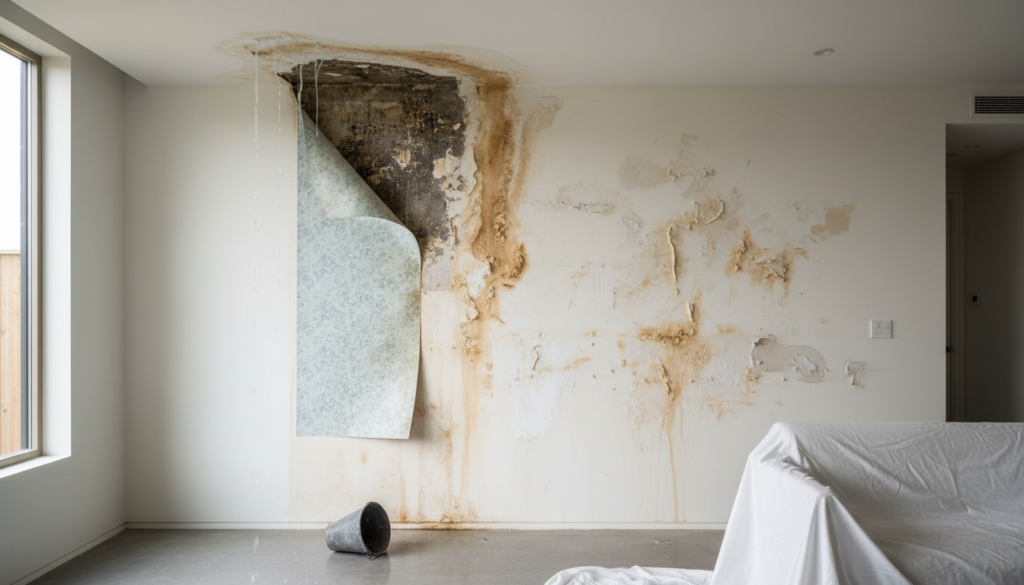
- Visible mold, bubbling paint, or sagging ceilings
- Coughing, headaches, or eye irritation
- Soft spots underfoot or signs of wood warping
- Appliances or outlets affected by water
If you’re unsure, play it safe — especially with children, seniors, or anyone immunocompromised.
What a Professional Assessment Can Do
At Upper Restoration, we assess more than just what’s visible. We use:
- Moisture meters to detect trapped water inside walls or floors
- Infrared scanning to spot hidden leaks or damp zones
- Air quality testing for mold spores or bacteria
- Drying logs to document that every inch is truly dry — not just “looks dry”
This is what separates full recovery from future health risks or repairs.
Safe Doesn’t Mean “Dry Yet”
It’s possible for a home to look safe while still posing health hazards. That’s why we never recommend relying on fans or dehumidifiers alone after significant water intrusion.
Professional restoration gives you certainty — and often saves thousands in future costs.
Final Thoughts
So, is it safe to stay in a home with water damage?
Maybe. But “maybe” isn’t peace of mind.
If you’re unsure, let us take a look. One call can give you a clear answer — and a path to recovery that puts your safety first.
Upper Restoration is certified, trusted, and ready when you need us.
Schedule your home safety inspection today — we’re here 24/7.