The air inside your home can be significantly more polluted than outdoor air – and Long Island’s older housing stock, humid summers, and post-storm conditions make indoor air quality testing more relevant here than almost anywhere in the country. If you’re dealing with unexplained health symptoms, recent water damage, post-renovation concerns, or simply want peace of mind, here’s what you need to know.
What Does Indoor Air Quality Testing Detect?
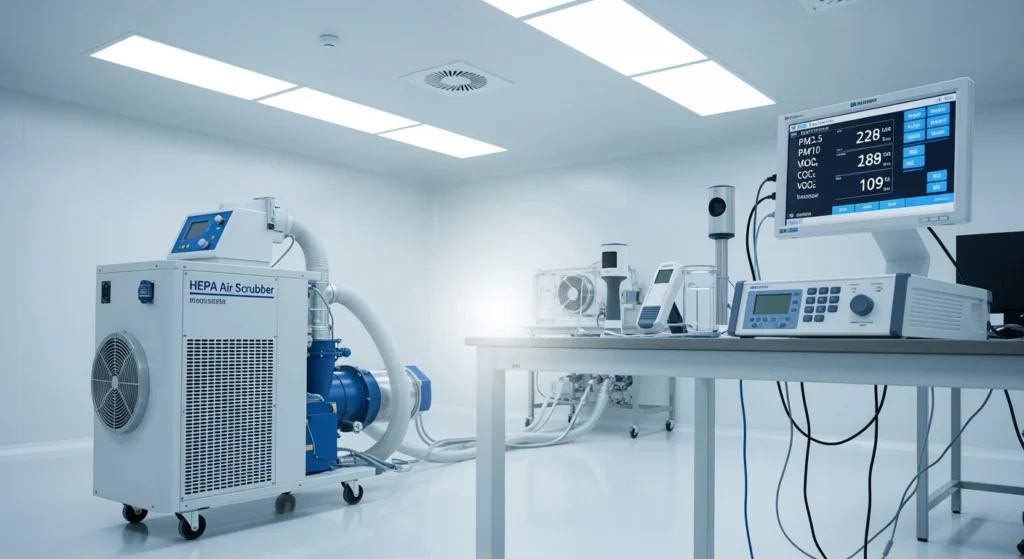
IAQ testing is not a single test – it’s a suite of measurements depending on what you’re looking for. Common pollutants tested include:
- Mold spores: Airborne spore counts measured via air sampling cassettes sent to an accredited lab
- Volatile Organic Compounds (VOCs): Chemical off-gassing from paints, adhesives, furniture, cleaning products, and building materials
- Radon: A naturally occurring radioactive gas that seeps from soil into basements and lower levels – the second leading cause of lung cancer in the US
- Carbon monoxide: Produced by combustion appliances; even low chronic exposure causes health effects
- Particulate matter (PM2.5/PM10): Fine particles from dust, smoke, and combustion that affect respiratory health
- Allergens: Dust mites, pet dander, pollen – relevant for allergy and asthma sufferers
- Asbestos fibers: Phase contrast microscopy (PCM) or transmission electron microscopy (TEM) can detect airborne asbestos fibers after disturbance
When Should You Test Indoor Air Quality on Long Island?
Several situations make professional IAQ testing a smart investment:
After Water Damage or Flooding
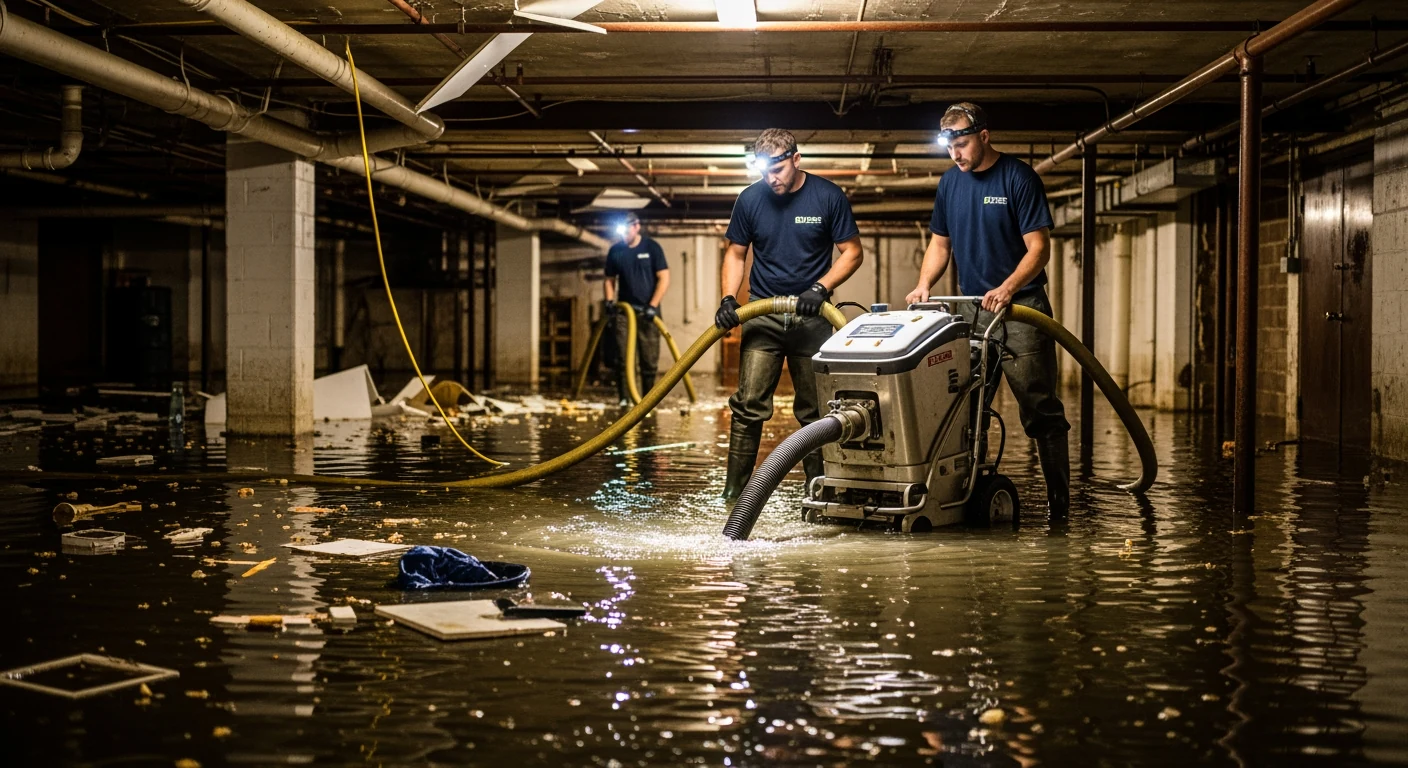
Water damage creates ideal conditions for mold growth within 24-48 hours. Even after visible water is removed, hidden moisture in walls and subfloors can support mold colonies. Air sampling after water damage – especially if any materials were not immediately dried – can catch mold growth before it becomes a larger problem. See our guide to water damage restoration on Long Island for the full drying protocol.
After Renovation or Construction
Renovation work in pre-1978 homes can disturb lead paint and potentially asbestos-containing materials. VOC levels also spike during and after painting, flooring installation, and cabinetry work. Testing 2-4 weeks post-renovation confirms the air has cleared to safe levels.
Unexplained Health Symptoms
Persistent headaches, respiratory irritation, eye or throat irritation, fatigue, or worsening allergies and asthma that improve when away from home are classic indicators of an indoor air quality problem. An IAQ assessment can identify the likely source.
Before Buying or Renting
A pre-purchase air quality test is one of the most overlooked due diligence steps in Long Island real estate. Standard home inspections don’t include air quality. A comprehensive IAQ test before closing can reveal mold, radon, or VOC issues that aren’t visible during a walkthrough.
After Remediation Work
Post-remediation clearance testing – performed by an independent inspector after mold, asbestos, or lead abatement – confirms the work was completed successfully and the space is safe to re-occupy. This is a required step under New York’s Article 32 mold law.
How IAQ Testing Works
A certified industrial hygienist (IH) or IAQ professional visits your property and conducts a visual inspection followed by targeted sampling. The process typically takes 2-4 hours for a standard home. Samples are shipped to an accredited laboratory (AIHA-accredited labs are the standard in New York), and results are returned within 3-7 business days in a written report.
For mold testing specifically, outdoor baseline samples are always collected alongside indoor samples – this is essential because some mold spores are naturally present in outdoor air, and the comparison is how elevated indoor levels are identified.
IAQ Testing Costs on Long Island (2026)
- Basic mold air sampling (2-3 samples): –
- Comprehensive IAQ assessment (mold + VOC + particulates): -,200
- Radon test (short-term): – professional; – DIY kit
- Post-remediation clearance test: –
- Full IAQ + risk assessment report: -,500
Frequently Asked Questions
Can I do my own indoor air quality test?
DIY kits are available for radon (the only one with good accuracy), carbon monoxide (better handled by a hardwired detector), and basic mold (results are unreliable without outdoor baseline comparison). For anything used in legal, insurance, or remediation contexts, a certified professional is required.
How long does indoor air quality testing take?
The site visit takes 2-4 hours for most homes. Lab results take 3-7 business days. Rush processing is available from most accredited labs for an additional fee.
What is a safe mold spore count indoors?
There is no EPA-defined “safe” threshold for mold spores – the standard is that indoor levels should not be significantly elevated compared to outdoor baseline levels, and hazardous species like Stachybotrys should not be present at all. Your lab report will include an interpretation guide comparing your results to reference ranges.
Should I test for radon on Long Island?
Long Island has moderate radon risk – lower than many inland areas but not negligible. The EPA recommends testing any home with a basement or ground-floor living area. If levels exceed 4 pCi/L, radon mitigation (a sub-slab depressurization system) is recommended.
Conclusion
Indoor air quality testing is one of the most underutilized tools in Long Island home health – and one of the most valuable after water damage, renovation, or unexplained symptoms. Upper Restoration coordinates certified IAQ assessments and provides licensed remediation services for whatever the testing reveals. Contact our team for referrals to independent certified inspectors serving Nassau and Suffolk County.
Related: → Complete Restoration Guide for Long Island Homeowners
Frequently Asked Questions
What is flood insurance?
Flood insurance is a separate policy covering flood damage. Standard homeowners insurance does not cover flooding.
How much flood coverage do I need?
Coverage should equal your home’s replacement cost. Consider both structure and contents in your calculation.
When should I get flood insurance?
Flood insurance has a 30-day waiting period. Get it before the season starts. If you’re in a high-risk zone, it’s often required by lenders.
Does NFIP cover all water damage?
NFIP covers flood damage but excludes water backup, sump pump failure, and water from underground sources in most cases.
What’s the difference between flood and water damage?
Flood covers water from external sources (rivers, heavy rain). Water damage covers plumbing leaks and firefighting water.
How much does flood insurance cost?
Rates vary based on risk zone, building age, and coverage amount. Average is $400-$1,200 annually for homeowners.