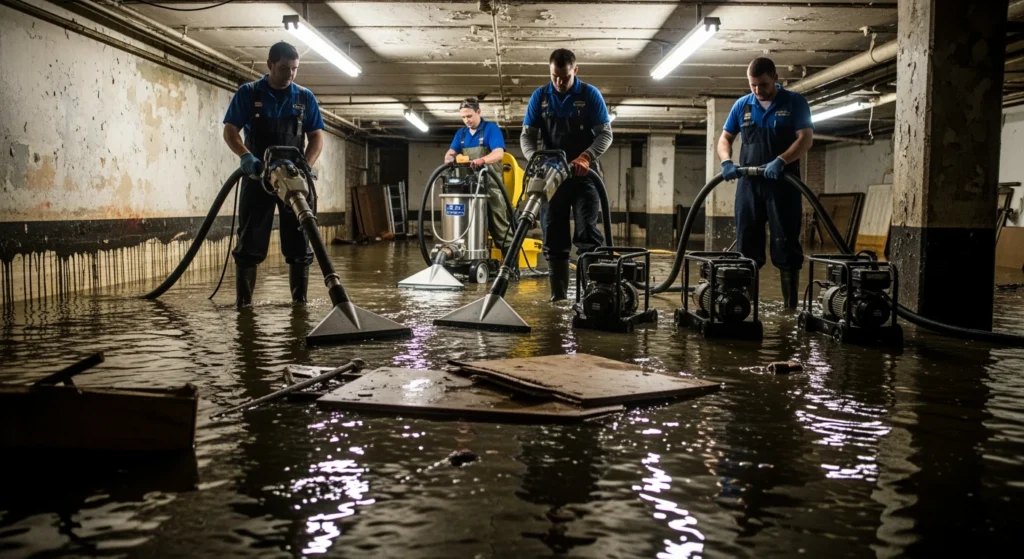
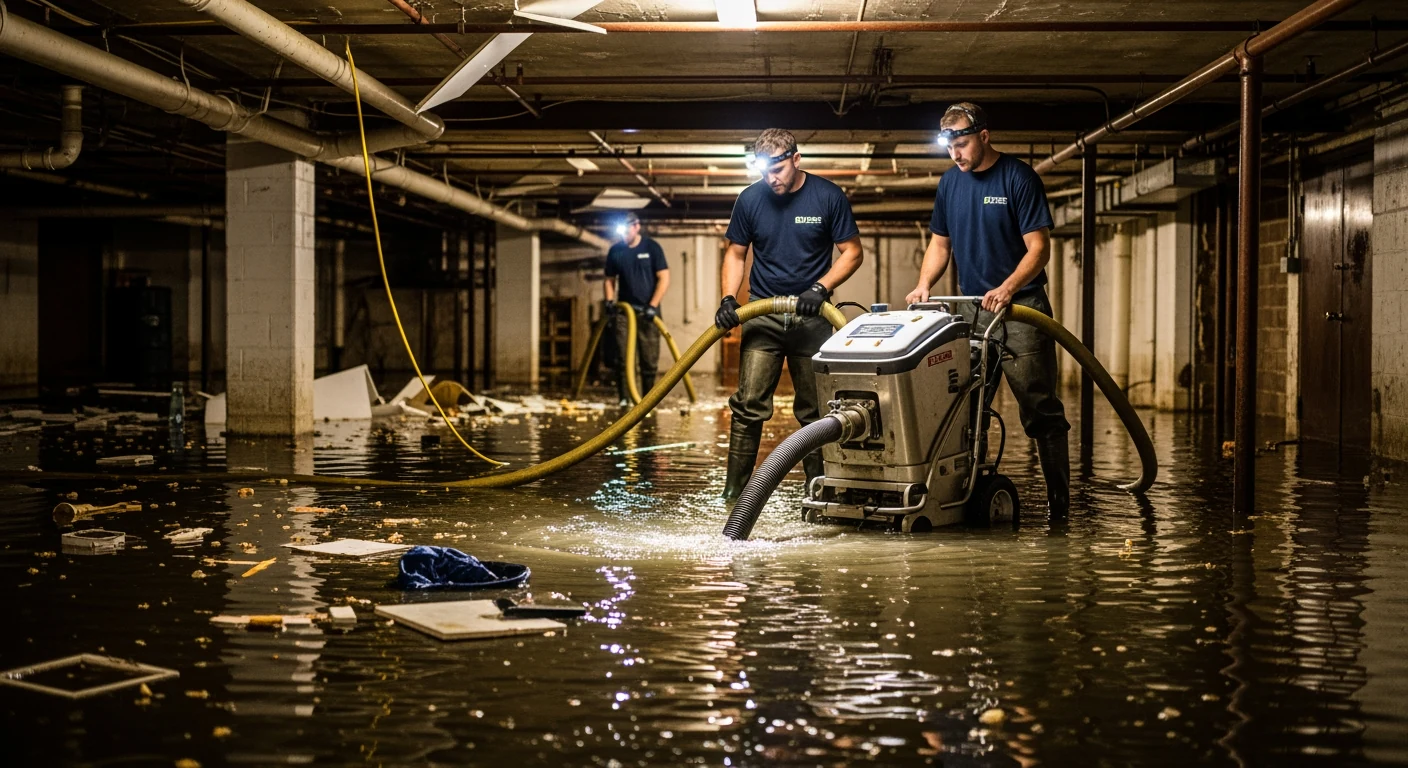
The IICRC S500 Standard for Professional Water Damage Restoration is the authoritative technical document that defines how water damage restoration should be performed. When Upper Restoration references IICRC S500 Category 3 protocol, S500 psychrometric drying standards, or S500-compliant documentation, we are citing the industry standard that insurance adjusters, attorneys, and restoration professionals all use as the reference baseline. Understanding the S500’s key provisions helps Long Island homeowners verify that their contractor is following professional standards — and helps them support their claims when adjusters challenge restoration scope.
Why the S500 Matters for Insurance Claims
Insurance adjusters routinely use S500 compliance as a standard to evaluate whether restoration scope was justified. A contractor who demolishes drywall in excess of what S500 guidelines would support will face adjuster challenges. A contractor who leaves materials in place that S500 Category 3 protocol requires to be removed creates coverage liability for the homeowner when those materials develop mold. The S500 is the shared language between contractors and adjusters — knowing its key provisions puts Long Island homeowners on equal footing in claim negotiations.
Key S500 Provisions for Long Island Homeowners
Category classification: The S500 requires that restoration contractors classify water by category (1, 2, or 3) based on water source and elapsed time. On Long Island, this classification is particularly significant because south shore bay water is Category 3 by definition — adjusters cannot successfully argue Category 1 or 2 for Reynolds Channel or Great South Bay storm surge losses. Upper Restoration’s category determination documentation includes source photography and water pathway analysis that supports the classification in the claim file.
Demolition requirements: S500 Category 3 requires removal of all wet porous materials to 12 inches above the visible waterline. This is not discretionary — it is the standard. Homeowners should verify that their contractor is applying Category 3 demolition standards to south shore Nassau and Suffolk flooding events, not applying Category 1 drying-in-place to Category 3 losses.
Documentation requirements: S500 requires psychrometric data collection throughout the drying period. Daily readings of temperature, relative humidity, and moisture content at defined measurement points are the standard, not an optional extra.
IICRC Certification on Long Island
Upper Restoration holds IICRC certifications across its restoration teams. The IICRC’s WRT (Water Restoration Technician), ASD (Applied Structural Drying), and AMRT (Applied Microbial Remediation Technician) certifications demonstrate that restoration technicians have been trained in S500 and related standards. Asking a restoration contractor for their IICRC certification numbers — which can be verified at the IICRC’s online directory — is a legitimate and appropriate due diligence step for Long Island homeowners choosing a restoration partner.