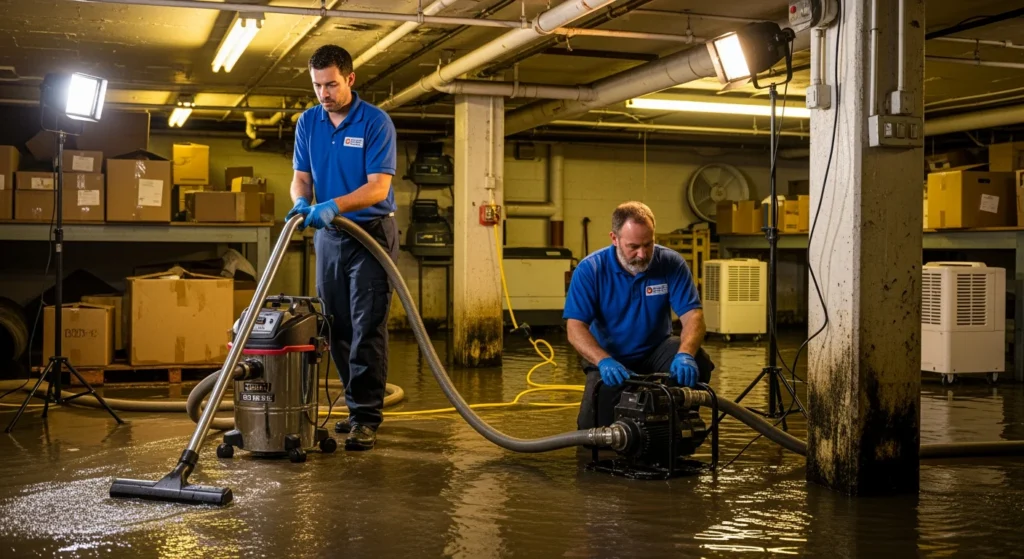
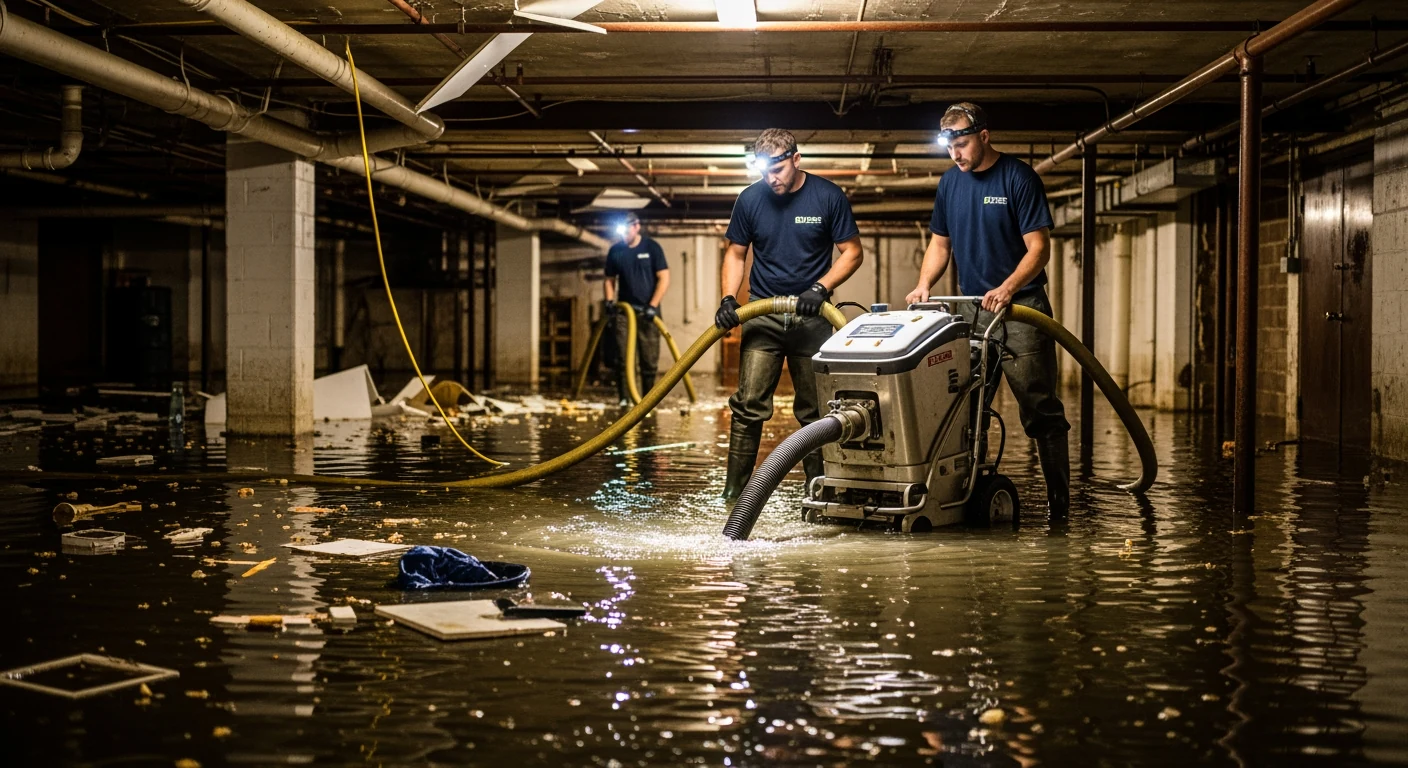
October 29, 2012. Sandy made landfall at Brigantine, New Jersey, drove 14-foot storm surge into Jamaica Bay and through the Reynolds Channel system, and inundated 74,736 Nassau County structures. Breezy Point burned. Atlantic Beach was submerged. Lindenhurst’s streets became rivers. The Town of Hempstead received a Major Disaster Declaration. More than a decade later, most of the visible damage is gone — but visible is not the same as remediated. Upper Restoration’s project teams regularly find Sandy-era damage in south shore Long Island homes that was concealed behind new paint and fresh drywall rather than properly remediated in 2012.
The Rush Remediation Problem
Sandy flooded 74,736 Nassau County structures simultaneously in late October 2012. The available pool of qualified restoration contractors on Long Island was a fraction of what the demand required. Homeowners desperate to return to their homes before winter accepted whatever work could be done, and what could be done in the weeks following Sandy was often inadequate: surface cleaning of contaminated materials that required demolition, drywall dried in place that should have been removed, Category 3 flooding treated as Category 1 because proper protocol would have taken too long. The results of these incomplete remediations have been accumulating since 2012.
What to Look For in Your South Shore Home
Waterline staining pattern: In wall cavities opened during current renovation projects, the original Sandy waterline is often visible as a horizontal staining pattern on the back of original drywall or on framing members. This staining may be accompanied by mold if the assembly was never properly dried and decontaminated.
Persistent musty odor: South shore homes that have had persistent basement or lower floor musty odor since 2012 or 2013, despite surface cleaning efforts, typically have mold in wall assemblies that was never accessed during the original remediation.
Drywall that was never replaced: If your south shore home’s below-grade drywall is original or was replaced only in areas that appeared visibly damaged — rather than demolished to the full Category 3 waterline — there is a meaningful probability that mold initiated behind the original drywall was simply covered over.
Insurance documentation gaps: Homeowners who received NFIP payments after Sandy but cannot document complete Category 3 remediation may have coverage issues for subsequent flooding events where adjusters note pre-existing contamination.
The Path Forward
Article 32 mold assessment in a post-Sandy south shore home that has not been fully remediated provides the baseline documentation for what needs to be addressed. If mold is confirmed, the remediation scope and cost can be assessed and documented for insurance purposes. Upper Restoration performs post-Sandy legacy assessments throughout Nassau County’s south shore communities — we have established protocols for the specific conditions these homes present.