When floodwater enters your Long Island or NYC home, the clock starts immediately – and so does the claims process. Filing a flood insurance claim in New York through the National Flood Insurance Program (NFIP) is different from a standard homeowners claim, with stricter deadlines, specific documentation requirements, and coverage limits that surprise many policyholders. Here’s a step-by-step guide to getting the most from your flood claim.
Step 1: Call Your Insurance Agent Immediately
NFIP claims must be filed promptly. You have 60 days from the date of loss to file a Proof of Loss with your insurer – but the earlier you file, the better. Contact your insurance agent or the NFIP directly (1-800-427-4661) to open a claim and get a claim number.
If your policy is a Write-Your-Own (WYO) policy through a private insurer (State Farm, Allstate, etc.), contact that insurer’s flood claims department – not your regular homeowners line. Flood insurance is a separate policy and is handled separately.
Step 2: Document Everything Before Cleanup Begins
Before any cleanup or repair work starts, document the damage thoroughly. This documentation is the foundation of your claim:
- Photographs and video: Capture water lines on walls, damaged flooring, contents, structural damage, and the exterior of the property
- Water depth measurements: Document the waterline height in each affected room
- Damaged contents inventory: Create a list of damaged personal property with make, model, age, and estimated value
- Pre-loss documentation: Pull out any receipts, photos, or records showing the condition of major items before the flood
Do not throw away damaged items before the adjuster visits – or at minimum, photograph everything before disposal. Insurers require proof of damage for contents claims.
Step 3: Begin Emergency Mitigation (You Must Do This)
NFIP policies – like most insurance policies – require policyholders to take reasonable steps to prevent additional damage after a covered loss. This means:
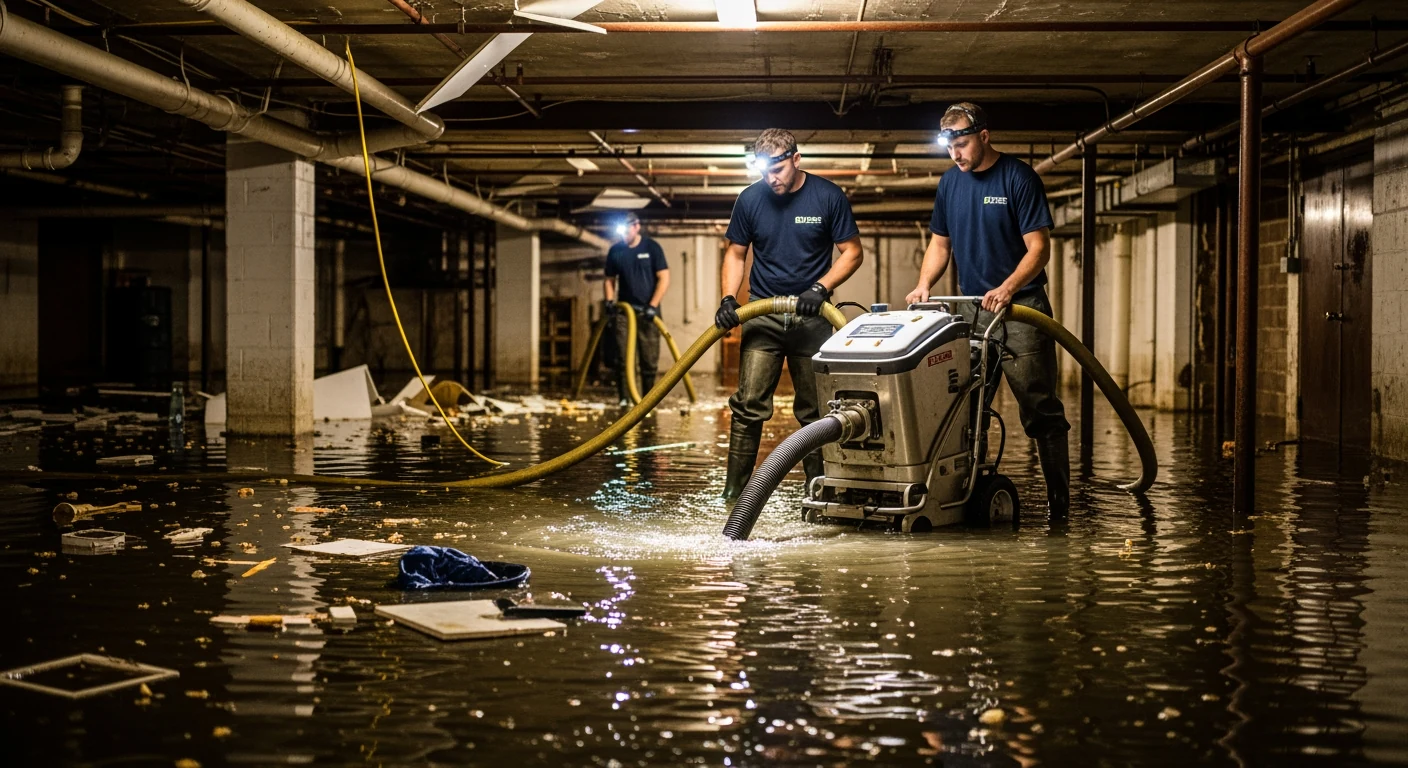
- Extracting standing water as quickly as possible
- Removing wet materials that cannot be dried in place (saturated drywall, insulation, carpet)
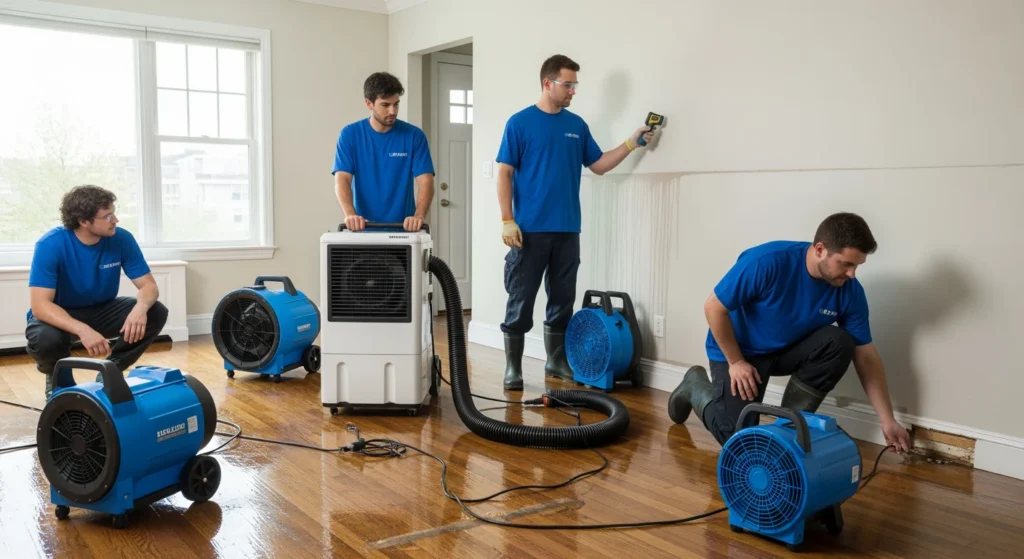
- Setting up air movers and dehumidifiers to begin structural drying
- Boarding up broken windows or doors to prevent further intrusion
Emergency mitigation costs are typically covered by your flood policy as part of the building claim. Keep all receipts from emergency services. Our water damage restoration team can provide documentation of all mitigation work in the format insurers and adjusters require.
Step 4: Meet With the Flood Adjuster
NFIP will assign a flood adjuster to inspect your property. This adjuster works for the insurer – not for you. Being prepared for this meeting significantly affects your settlement:
- Have your damage documentation ready (photos, inventory, contractor estimates)
- Walk the adjuster through every damaged area – don’t assume they’ll find everything
- Point out water damage that may not be visible (behind walls, under flooring) and explain how you know it’s there
- Ask for the adjuster’s scope of loss in writing before they leave
If you believe the adjuster’s initial scope is incomplete, you have the right to request a re-inspection or hire a public adjuster to advocate on your behalf.
What NFIP Flood Insurance Covers – and What It Doesn’t
NFIP policies have important coverage limits that many policyholders don’t discover until after a loss:
- Building coverage maximum: ,000 for residential properties
- Contents coverage maximum: ,000 (and contents coverage must be purchased separately)
- Not covered: Temporary living expenses (hotels, rental costs while displaced), landscaping, decks and patios, financial losses from business interruption, most basement contents, currency and valuable papers
- Covered building elements: Foundation, electrical and plumbing systems, HVAC, water heaters, built-in appliances, permanently installed flooring, drywall
If your losses exceed NFIP limits, a separate excess flood policy through a private insurer may cover the difference – but it must have been in place before the loss.
The Proof of Loss: The Most Important Document in Your Claim
The NFIP Proof of Loss is a sworn statement of your claimed damages. It must be filed within 60 days of the loss (extensions may be granted in presidentially declared disasters). Your adjuster typically prepares this document, but you must sign and return it. Review it carefully – once submitted, it establishes the total amount of your claim.
Frequently Asked Questions
How long does an NFIP flood claim take to pay?
After your Proof of Loss is accepted, payment is typically issued within 5-10 business days. However, the full process from adjuster visit to final payment often takes 4-8 weeks for routine claims. Disputed claims or large losses can take several months, particularly after major regional flood events when adjusters are overwhelmed.
Can I start repairs before the adjuster visits?
Emergency mitigation work (water extraction, structural drying, boarding up) should begin immediately regardless of adjuster scheduling – your policy requires it. However, hold off on permanent repairs (replacing drywall, new flooring, painting) until the adjuster has documented the damage or you have explicit written authorization from your insurer.
What if my flood claim is denied or underpaid?
You can appeal NFIP decisions through the insurer’s internal appeals process, then through FEMA’s appeals process. You may also file a complaint with New York State Department of Financial Services (DFS) if you believe the claim was handled improperly. A public adjuster or attorney specializing in insurance claims can assist with disputes.
Conclusion
Filing a flood insurance claim in New York is a process that rewards preparation. Document everything, start mitigation immediately, and work with a restoration contractor who understands how to provide adjuster-ready documentation. Upper Restoration works alongside adjusters on Long Island and NYC flood claims – our documentation packages are designed to support your claim from day one. Contact us after any flood event to start the process right.