If you’ve already read about mold remediation costs and are still fuzzy on what mold cleanup actually involves—or how it differs from full remediation—this guide is specifically for you. We’ll break down what mold cleanup costs, when cleanup becomes full remediation, and what Long Island homeowners should expect to pay in 2026.
What’s Included in Mold Cleanup vs. Full Remediation?
Mold Cleanup
Mold cleanup addresses surface mold on non-porous materials—tile, glass, metal, sealed concrete. The mold hasn’t penetrated the material. A qualified contractor can clean the surface, apply an antimicrobial treatment, and address the moisture source that caused the growth.
This is appropriate for: bathroom tile grout with surface mold, mold on a sealed basement floor, isolated spots on metal HVAC components. It’s faster, less expensive, and less disruptive than full remediation.
Full Mold Remediation
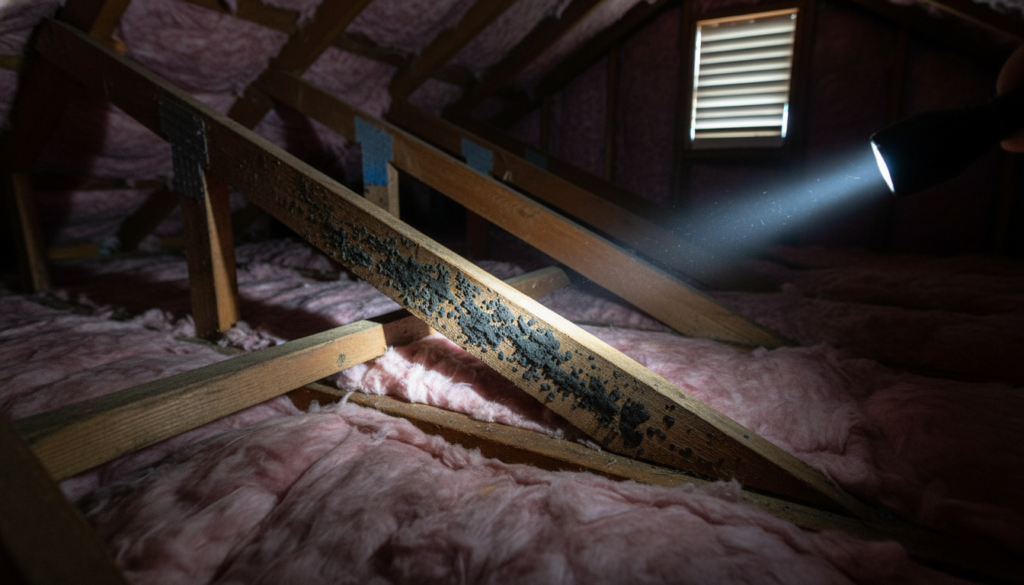
Full remediation is required when mold has grown into porous materials—drywall, wood framing, insulation, carpet, ceiling tiles. These materials cannot be cleaned; they must be removed, double-bagged, and disposed of as contaminated waste. New drywall, framing, or insulation must be installed after the area is treated and cleared.
Full remediation also applies to any mold growth exceeding 10 square feet per the EPA’s guidance, or any situation where Stachybotrys (black mold) is present regardless of area.
Mold Cleanup Cost by Severity and Square Footage
| Scope | Typical Cost (LI/NYC) | Type |
|---|---|---|
| Surface mold, under 10 sq ft | $500–$2,000 | Cleanup |
| 10–50 sq ft, non-porous surface | $1,500–$4,000 | Cleanup with containment |
| 10–50 sq ft, porous materials | $2,000–$6,000 | Full remediation |
| 50–200 sq ft (one room) | $3,000–$8,000 | Full remediation |
| 200+ sq ft or whole areas | $6,000–$20,000+ | Full remediation + rebuild |
When Does Cleanup Become Full Remediation?
The line is crossed when:
- Mold growth exceeds 10 square feet (EPA guideline)
- Mold has penetrated drywall, insulation, or wood framing (confirmed by probing)
- Stachybotrys (black mold) is identified by testing
- Mold is found inside wall cavities or above ceiling tiles
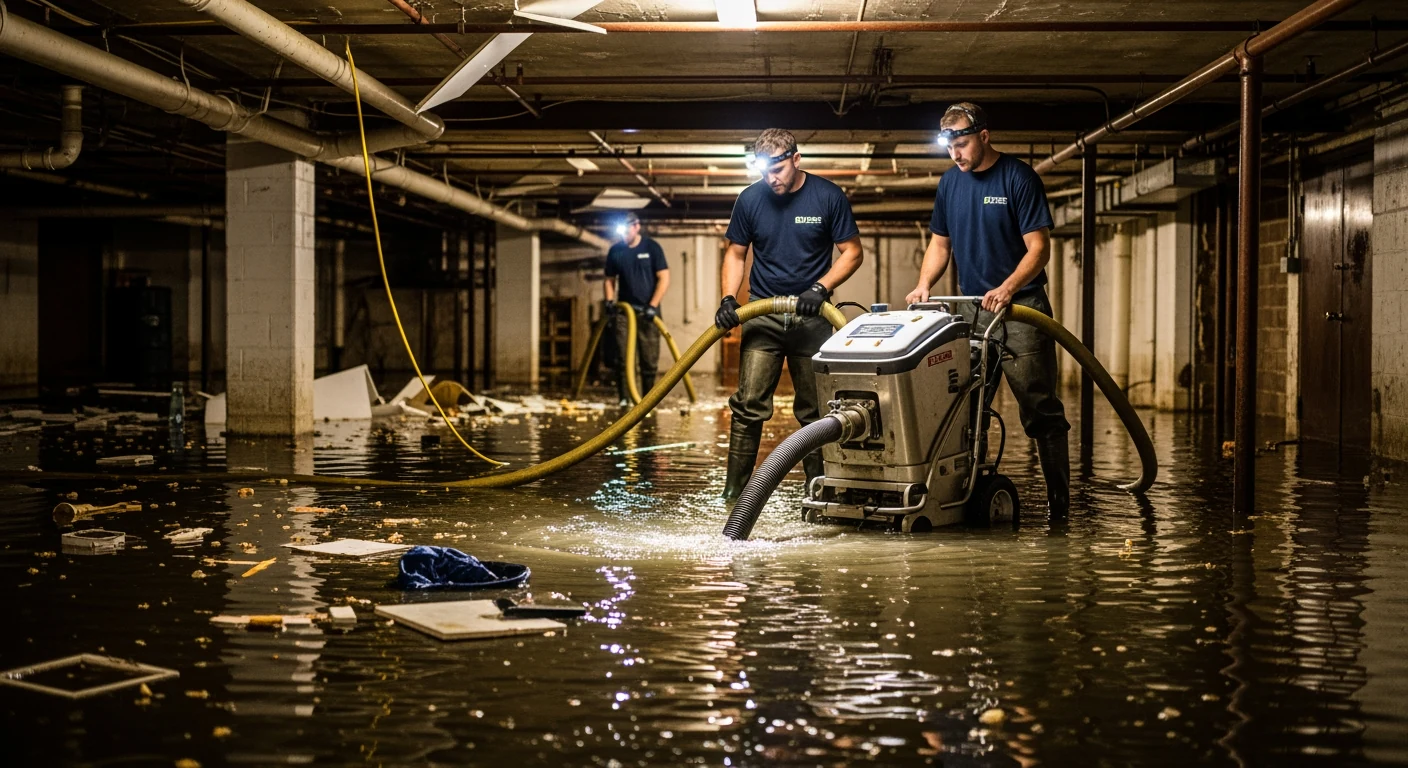
- The moisture source created saturation conditions (burst pipe, flooding)
A licensed assessor will determine which level is appropriate. Under the NYS Mold Law, the assessor makes this determination independently of the remediation contractor.
Insurance and Mold Cleanup: What’s Covered
The coverage question for mold cleanup is the same as for full remediation: coverage typically applies when mold results from a sudden, covered water event. A slow bathroom leak that caused grout mold over two years is generally not covered. Water from a burst pipe that flooded a bathroom last week—and grew mold before it was discovered—may be covered.
Document everything. Photograph the mold before cleanup, get the assessor’s report, and submit to your insurer before authorizing work. Once cleanup is complete, the documented evidence of cause and extent is gone.
Getting Multiple Quotes: What to Watch Out For
When getting quotes for mold cleanup, watch for these issues:
- Companies offering to assess and clean in the same transaction are violating the NYS Mold Law. A legitimate licensed company cannot do both.
- Quotes with no site visit aren’t reliable. Mold cleanup scope depends on what the contractor sees. A phone quote for a fixed price without seeing the area is guessing.
- Very low quotes may reflect unlicensed operators who skip clearance testing and proper disposal. This saves money upfront and creates problems during future home inspections or sales.
- Pressure to start immediately without a written scope of work should raise caution. Get the scope in writing before authorizing work.
Upper Restoration provides licensed mold remediation and free assessments across Nassau and Suffolk County. We’ll give you a straight answer on whether you need cleanup or full remediation—and a written estimate before any work begins.
Call: | Free Assessment
Frequently Asked Questions
What is the difference between mold cleanup and mold remediation?
Mold cleanup addresses surface mold on non-porous materials using cleaning agents and antimicrobial treatment. Mold remediation is required when mold has penetrated porous materials like drywall, insulation, or wood framing—these materials must be removed and replaced. Remediation is also required for growth exceeding 10 square feet or when black mold is present.
Can I clean up small amounts of mold myself in New York?
The EPA recommends that homeowners can address mold areas under 10 square feet on non-porous surfaces themselves. In New York, however, any mold work performed for hire (including by a contractor on your property) must be done by a licensed remediator. For real estate and insurance purposes, professional documentation of remediation is strongly recommended regardless of area size.