Fire Damage Restoration: A structured remediation and reconstruction process that returns fire-damaged residential or commercial property to pre-loss condition. It encompasses emergency stabilization, smoke and soot removal, water extraction, structural repair, and full reconstruction — coordinated with insurance carriers and, in New York, with municipal permitting authorities.
Quick Answer: The fire damage restoration process has 8 distinct phases: emergency board-up and tarping, damage assessment, water and smoke extraction, soot and char removal, structural drying, odor neutralization, reconstruction, and final inspection. A typical residential fire in NYC or Long Island takes 2–8 weeks to fully restore depending on severity. Every phase is documented for insurance — and the sequence matters because skipping steps creates hidden damage that compounds over time.
What Happens After a House Fire: The Reality Most Guides Skip
Most fire damage guides tell you what restoration is. This one tells you what it actually involves — step by step, timeline included, with specifics for homeowners in New York City and Long Island where older building stock, co-op and condo board requirements, and NYC Department of Buildings oversight make the process meaningfully different from anywhere else in the country. If your home or building has experienced fire damage, here is what the full restoration process looks like from the moment the fire trucks leave to the day you walk back in.Step 1: Emergency Services and Securing the Property (Day 0–1)
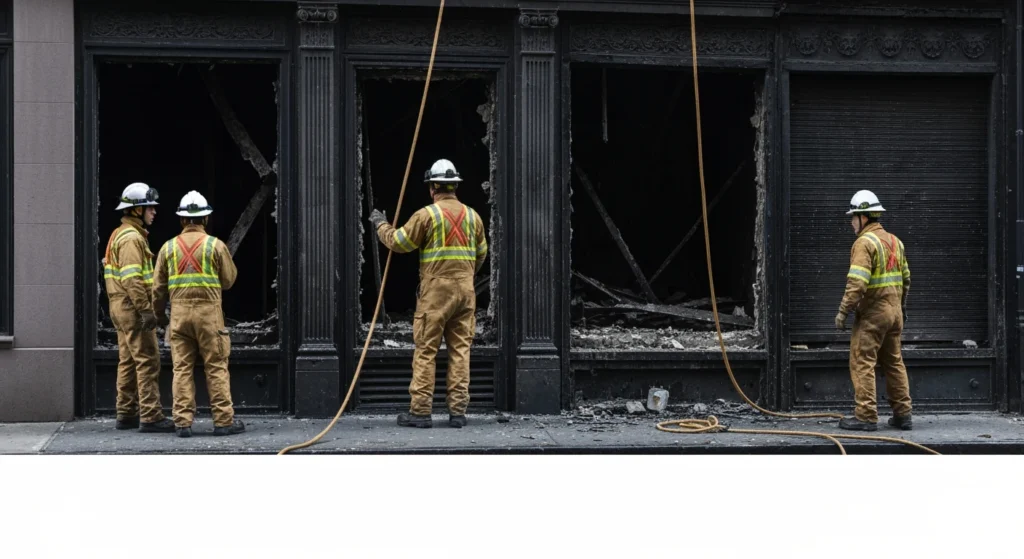
Before any restoration work begins, the property must be made safe and secure. This means emergency board-up of any openings left by the fire — broken windows, compromised doors, holes in walls or roof — to prevent weather intrusion and unauthorized entry. In New York City, the NYC Department of Buildings (DOB) may issue a vacate order if structural integrity is in question. Violations issued in the immediate aftermath of a fire affect insurance claim timelines. A licensed NYC restoration contractor will coordinate with the DOB to document damage, respond to emergency violations, and begin the documentation chain required by your insurer. On Long Island, the process involves municipal building departments in Nassau or Suffolk County rather than the DOB. Response timelines vary by municipality — contractors with established relationships with local building officials move faster at this stage.Step 2: Damage Assessment and Documentation (Days 1–3)
A thorough assessment documents every category of damage: structural, smoke, soot, water from firefighting efforts, and secondary damage including mold risk. This documentation is the foundation of your insurance claim. A qualified restoration contractor will photograph and catalog every affected surface, material, and building system — HVAC, electrical, plumbing, and structural components. According to the Institute of Inspection, Cleaning and Restoration Certification (IICRC), whose S700 standard governs fire and smoke damage restoration, documentation gaps at this stage are the leading cause of underpaid or disputed insurance claims. What most homeowners underestimate: water damage from firefighting suppression is often as extensive as fire damage itself. Ceilings, walls, subfloors, and personal property affected by suppression water must be documented and inventoried separately.Step 3: Working With Your Insurance Company
Your insurer will send an adjuster. That adjuster works for the insurance company, not for you. Understanding this dynamic shapes every negotiation that follows. Under New York State Department of Financial Services regulations, you have the right to engage your own licensed restoration contractor to prepare an independent damage estimate. If you and your insurer cannot agree on the scope of damage or repair costs, your policy’s appraisal clause allows each party to appoint an independent appraiser — a right most policyholders don’t know they have until it’s too late. Key items to establish in writing with your insurer before work begins:- Authorization for emergency stabilization and board-up costs
- Coverage confirmation for temporary housing (Additional Living Expenses)
- Agreed scope of damage documentation
- Timeline for adjuster inspection
Step 4: Smoke and Soot Removal (Days 3–10)
Smoke and soot damage extends far beyond rooms directly affected by fire. Smoke travels through HVAC systems, penetrates porous materials, and deposits on surfaces throughout the structure. In older NYC and Long Island homes — brownstones, pre-war co-ops, post-war Cape Cods — this penetration can be severe due to historic construction materials and interconnected duct systems. Professional smoke remediation follows IICRC S520 and S700 protocols and involves:- Dry and wet cleaning of all affected surfaces
- Thermal fogging or ozone treatment to neutralize odor compounds embedded in materials
- HVAC system cleaning and filter replacement
- Content cleaning and pack-out for salvageable personal property
Step 5: Water Damage and Mold Prevention (Days 2–14)
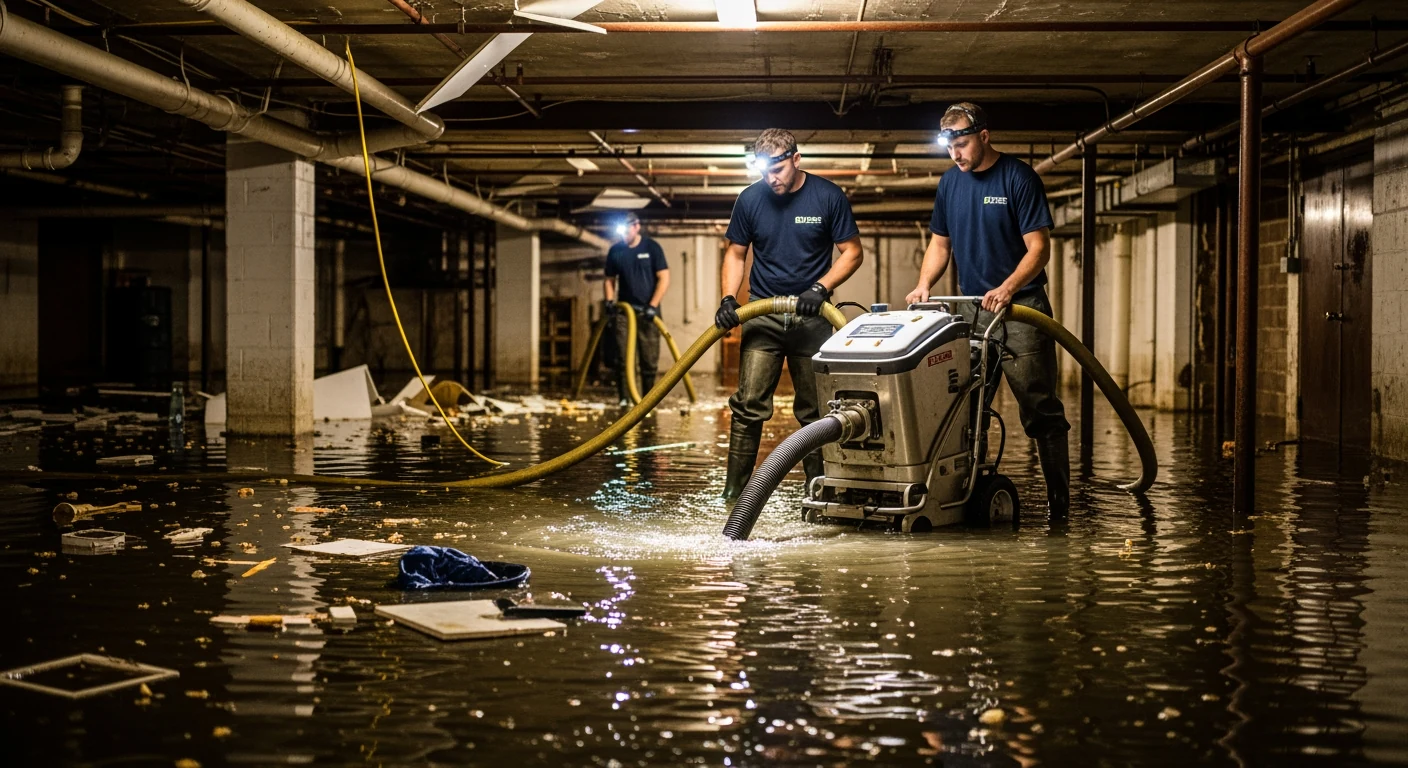
Water used to suppress the fire must be extracted and affected materials dried within 24–72 hours to prevent mold colonization. The IICRC S500 Standard for Professional Water Damage Restoration sets this window as the critical intervention threshold. In New York’s humid summers, this window is shorter in practice. Industrial dehumidifiers and air movers run continuously through this phase. Certified technicians take moisture readings daily using calibrated meters to track drying progress. Materials that cannot reach acceptable moisture levels — heavily saturated drywall, compromised insulation, wood framing in prolonged contact with water — require removal. Skipping or rushing this step is the most expensive mistake fire damage property owners make. Mold remediation after the fact costs substantially more than proper drying during the initial response window, and many insurance policies treat subsequent mold as a separate claim subject to a separate deductible.Step 6: Structural Stabilization and Debris Removal (Days 5–21)
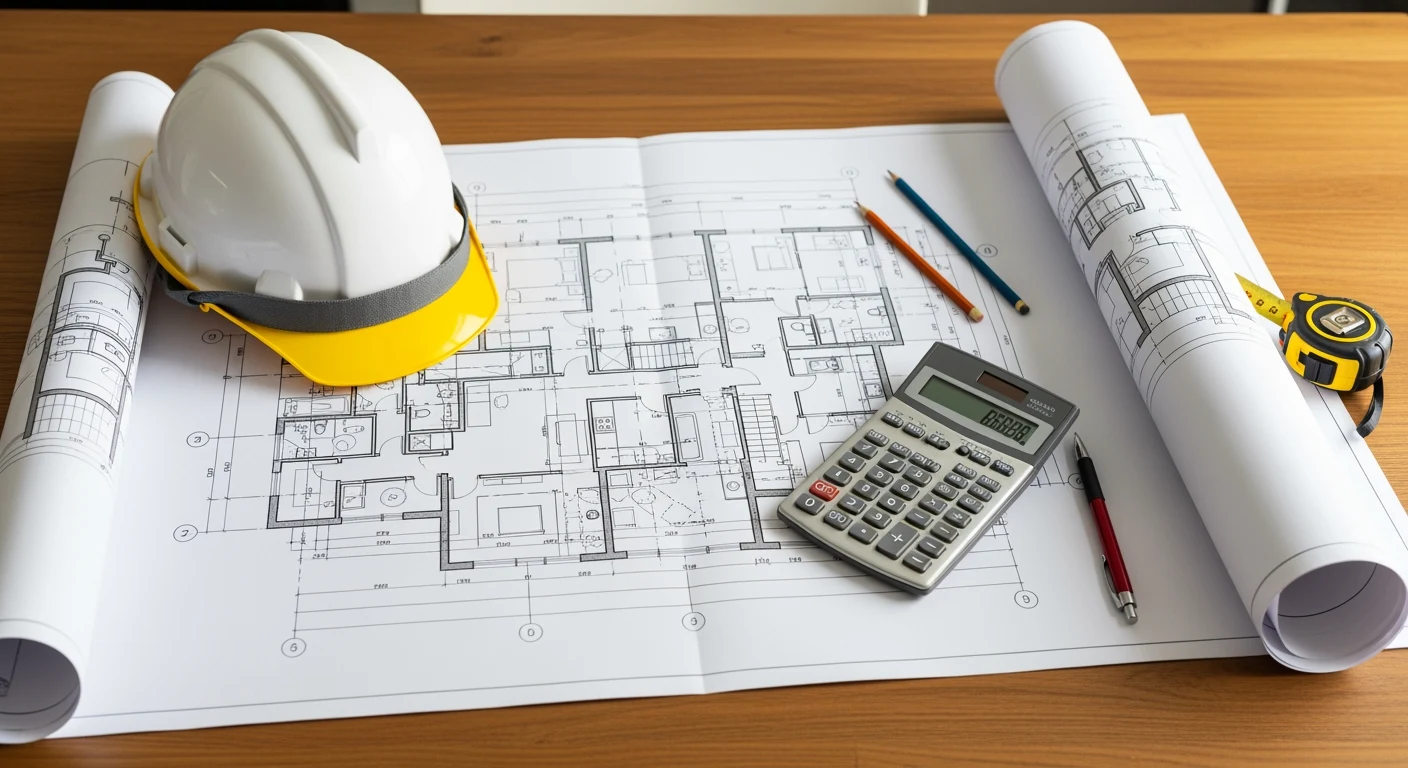
Structural assessment determines what can be restored versus what requires replacement. Charred framing may retain structural integrity depending on char depth and load-bearing function — a determination that requires professional evaluation, not visual inspection alone. In NYC, any structural work requires permits filed with the Department of Buildings by a licensed Professional Engineer (PE) or Registered Architect (RA). This adds time but is legally non-negotiable. Structural work performed without permits creates title defects, complicates future sales, and creates personal liability exposure for the property owner. Debris removal must comply with NYC Department of Sanitation regulations for construction and demolition waste. Asbestos-containing debris requires separate licensed disposal through a certified hauler.Step 7: Reconstruction (Weeks 3–12+)
Reconstruction scope is determined by damage extent. A contained kitchen fire in a Long Island colonial and a multi-room fire in a Brooklyn brownstone require fundamentally different scopes. Typical sequence:- Structural framing repairs
- Rough electrical, plumbing, and HVAC — with NYC DOB inspections at each rough stage
- Insulation to current New York State Energy Code requirements
- Drywall and plaster
- Finish work — flooring, trim, cabinetry, painting
- Final inspections and permit sign-offs (DOB or local municipal building department)
Realistic Timelines for Fire Damage Restoration in New York
| Damage Scope | Typical Timeline | Key Variable |
|---|---|---|
| Minor (single room, contained) | 4–8 weeks | Permit speed |
| Moderate (multiple rooms, smoke throughout) | 3–6 months | Insurance scope agreement |
| Major (structural damage, full floor+) | 6–18 months | DOB permitting, co-op boards |
What Fire Damage Restoration Costs in New York
New York metro labor and material costs run 20–40% above national averages, according to construction cost data from RSMeans. Realistic ranges for the NYC and Long Island market:- Emergency services and board-up: $1,500–$5,000
- Smoke and soot remediation: $3,000–$15,000+
- Water extraction and drying: $2,000–$8,000
- Structural repairs (moderate damage): $20,000–$80,000
- Full reconstruction (major damage): $100,000–$400,000+
Choosing a Fire Damage Restoration Contractor in NYC and Long Island
Before signing any contract, verify these credentials:- New York State contractor license
- NYC Home Improvement Contractor (HIC) license for residential work
- General liability insurance of at least $1 million per occurrence
- Workers’ compensation coverage for all employees and subcontractors
- IICRC certification for water and fire restoration technicians
- Documented experience with NYC DOB permitting