Immediate Stabilization and the FDNY Handover
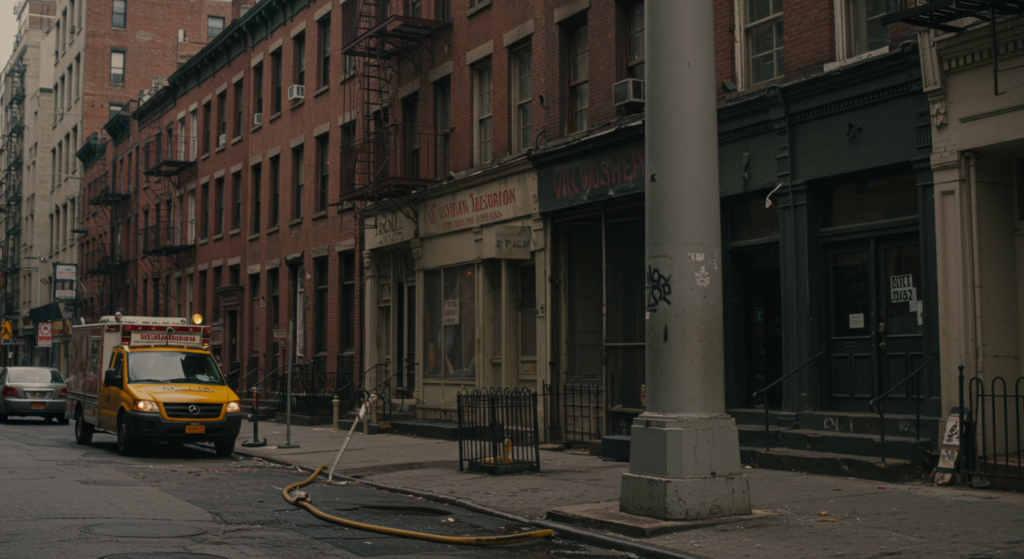
The first 24 to 48 hours following a structural fire in New York City are the most critical for long-term property recovery. Once the Fire Department of the City of New York (FDNY) has suppressed the flames and the Fire Marshal has completed their initial investigation, the property is typically handed back to the owner. At this stage, the structure is often vulnerable, not only from the fire itself but from the thousands of gallons of water used during suppression. Professional fire damage restoration nyc begins with immediate stabilization to prevent secondary damage, such as mold growth or structural collapse.
In the dense environments of Manhattan or the historical blocks of Brooklyn, fire damage is rarely contained to a single unit. Smoke travels through shared HVAC systems, plumbing chases, and common walls. Fire damage manhattan often involves high-rise complexities where water from upper floors can migrate downward, affecting dozens of apartments. Upper Restoration focuses on “securing the envelope” first—boarding up broken windows, tarping damaged roofs, and ensuring the site is protected from both the elements and unauthorized entry. This phase also includes an initial assessment of structural integrity, particularly in older timber-framed buildings where charred joists may no longer meet NYC Department of Buildings (DOB) safety thresholds.
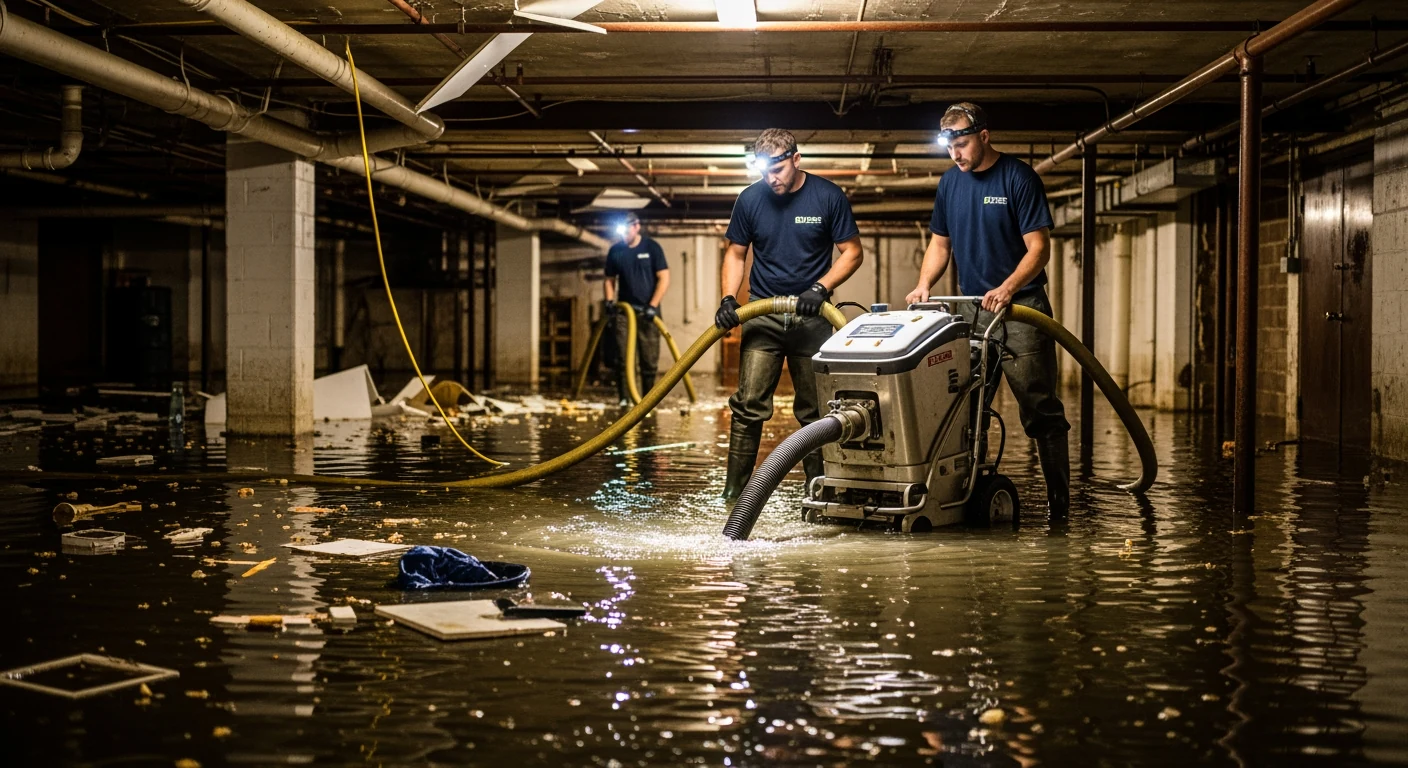
Following stabilization, the focus shifts to moisture control. It is a common misconception that fire restoration is only about soot and char. In reality, the water damage caused by fire hoses is often more pervasive. In a typical fire damage restoration nyc project, we deploy industrial-grade dehumidification and air movers immediately to bring the Relative Humidity (RH) down below 50%, adhering to IICRC S500 standards for professional water damage restoration. This prevents the rapid onset of microbial growth, which in the humid NYC climate can begin in as little as 24 hours.
Technical Smoke and Soot Remediation Standards
Smoke is a complex chemical byproduct of combustion, containing acids, carbon, and toxic VOCs. In a New York City apartment or office, the “fuel” for the fire often includes plastics, electronics, and synthetic fabrics, resulting in highly corrosive soot. Smoke damage nyc requires a scientific approach to cleaning because different types of soot require different chemical neutralizers. For instance, dry soot from a wood-heavy fire is easily vacuumed with HEPA-rated equipment, while oily soot from plastics requires specialized degreasers and chemical sponges.
Upper Restoration utilizes a multi-step cleaning process to ensure that surfaces are not just visually clean but chemically stable. Acidic soot will continue to pit metal fixtures, yellow appliance finishes, and degrade electronics if left untreated. Our technicians follow IICRC S700 standards, which dictate the professional cleaning of smoke-damaged contents and structures. We often encounter “ghosting” or “smoke tracking,” where soot particles follow thermal bridges in a wall, appearing in rooms far from the fire’s origin. This is particularly common in fire restoration brooklyn projects involving older brownstones where insulation may be uneven.
Odorous molecules from smoke are microscopic and can embed themselves deep into porous materials like drywall, wood framing, and textiles. Simply painting over smoke-damaged walls is a common mistake that leads to recurring odors. We utilize advanced odor neutralization technologies, including:
- Hydroxyl Generators: Safe for use in occupied spaces, these use UV light to mimic nature’s atmospheric cleansing process, breaking down odor molecules.
- Ozone Machines: Used in unoccupied “critical chambers” to oxidize heavy smoke odors.
- Thermal Fogging: A process that mimics the behavior of smoke, allowing deodorizers to penetrate the same crevices where the smoke originally traveled.
- HEPA Air Scrubbing: Continuous filtration of the air to remove 99.97% of particulates down to 0.3 microns.
The Unique Challenges of Kitchen Fire Restoration NYC
Kitchen fires are the most frequent cause of residential property damage in the five boroughs. A kitchen fire restoration nyc project often involves “protein fires,” which are notoriously difficult to remediate. Protein smoke, caused by burning fats and oils, is virtually invisible but leaves an extremely pungent, rancid odor. It can coat surfaces with a thin, greasy film that resists standard cleaning agents. In these cases, every cabinet must be disassembled, and every surface—including the undersides of countertops—must be cleaned with specialized enzymes to break down the protein chains. If the fire was an electrical fire restoration involving a kitchen appliance, we also coordinate with licensed electricians to verify the integrity of the hidden wiring behind the cabinets before any reconstruction begins.
Addressing Suppressed Water and Moisture Mapping
When the FDNY responds to a fire, they prioritize life safety and suppression, which often means an overwhelming volume of water is introduced to the environment. In a fire damage restoration nyc scenario, this water is rarely clean; it is “Category 3” or black water, containing soot, debris, and potentially hazardous materials washed from the building. Upper Restoration uses moisture mapping technology—including infrared thermography and penetrating moisture meters—to track exactly where this water has migrated behind walls and under flooring.
In high-density neighborhoods like Long Island City or the Upper West Side, water from a fire suppression system (sprinklers) can run through floor-to-ceiling glass assemblies and into elevator shafts. If this water is not extracted within hours, it can lead to massive structural swelling and the compromise of the building’s electrical core. Our teams prioritize the extraction of standing water and the removal of “saturated-beyond-repair” materials like fiberglass insulation and particle-board cabinetry. By strictly following the IICRC S500 guidelines, we ensure that the “drying goal” is met before any new materials are installed, which is essential for passing subsequent inspections.
Structural Reconstruction and NYC Regulatory Compliance
The transition from remediation to reconstruction in New York City is governed by a strict set of regulations. Unlike minor renovations, a fire-damaged property often requires an “Alteration Type 2” (Alt-2) permit from the NYC Department of Buildings. If the fire affected the structural integrity of the building—such as the load-bearing capacity of a masonry wall in a Queens warehouse—an Alt-1 permit and an architect’s seal may be required. Fire damage restoration nyc is as much about paperwork and compliance as it is about hammers and nails.
Before any demolition or rebuild can begin, NYC law (specifically Local Law 76/85 and subsequent updates) requires an asbestos survey for most buildings. Even if the building is relatively modern, the NYC Department of Environmental Protection (DEP) often requires an ACP-5 “Not Asbestos Containing” form before a permit can be issued. Upper Restoration coordinates with certified environmental consultants to handle these tests. If asbestos-containing materials (ACM) were disturbed by the fire or the FDNY’s “overhaul” (the process of checking for hidden embers), a formal abatement process must be completed before our restoration crews can continue work.
The reconstruction phase includes:
- Replacement of charred structural members (joists, studs, headers).
- Full electrical rewiring to meet current NYC Electrical Code, especially in electrical fire restoration cases.
- Installation of new insulation and vapor barriers.
- Drywall installation, taping, and “Level 5” finishing for high-end Manhattan residences.
- HVAC duct cleaning or replacement to ensure no residual soot is circulated through the new space.
Navigating the Insurance Claim: ALE and Property Valuation
Insurance for fire damage in New York City is complex. Policyholders often feel overwhelmed by the requirements to provide a “Proof of Loss” statement and a detailed inventory of every damaged item. Upper Restoration works alongside property owners to provide the technical documentation required by adjusters. This includes detailed moisture maps, thermal imaging reports, and a line-item estimate using industry-standard software like Xactimate, which uses localized NYC pricing for materials and labor.
One critical aspect of a fire damage restoration nyc claim is Additional Living Expenses (ALE). For a family displaced from their home in Brooklyn or a business forced to move to a temporary office in Manhattan, ALE coverage is a lifeline. It covers the difference between your normal living expenses and your new, temporary expenses. We provide the necessary documentation to show the “Loss of Use” of the property and a realistic timeline for restoration, helping adjusters understand the complexities of NYC permitting and how that affects the duration of the displacement.
It is important to note that insurance companies may push for “cleaning” items that Upper Restoration, based on IICRC standards, deems “unrestorable.” For example, high-end electronics or certain types of upholstered furniture may never be truly free of toxic particulates. We advocate for the property owner by providing scientific justification for why certain materials must be replaced rather than cleaned, ensuring the final environment is safe for re-occupancy.
Commercial Fire Restoration vs. Residential Challenges
Commercial fire damage restoration nyc projects, such as those in midtown restaurants or retail spaces in Soho, have a different set of priorities—primarily, minimizing “Business Interruption” (BI). Every day a retail space is closed, the loss of revenue can exceed the cost of the physical restoration. We often employ “phased restoration” for commercial clients, allowing them to remain partially operational in unaffected areas while we work behind critical barriers.
In commercial kitchens, the requirements are even more stringent. The New York City Department of Health and Mental Hygiene (DOHMH) will often require a full inspection before a food service establishment can reopen after a fire. This means the cleaning must go beyond “visible soot” to include sanitization of all food-contact surfaces and the cleaning of the entire exhaust hood system (NFPA 96 standards). Whether it’s fire restoration brooklyn for a small cafe or a large-scale project in a Manhattan office tower, the goal remains the same: a safe, documented, and efficient return to normalcy.
Frequently Asked Questions about NYC Fire Damage
How long does the fire damage restoration process take in NYC?
A minor smoke damage nyc cleanup might take 5 to 7 days. However, a full fire damage restoration nyc involving structural rebuilds and NYC DOB permits typically takes 3 to 9 months. The timeline is heavily influenced by the speed of the insurance adjustment and the time required for asbestos testing and city permit approvals.
Can I clean the smoke damage myself?
We strongly advise against it. Household cleaning products often react with the acidic soot, permanently “setting” the stain or driving the odor deeper into the material. Furthermore, without a HEPA-filtered vacuum, you risk aerosolizing toxic soot particles, which can lead to respiratory issues. Professional fire restoration brooklyn teams use specialized PPE and industrial equipment to ensure safety and effectiveness.
What is an ACP-5 and why do I need it?
An ACP-5 is a form issued by a certified NYC DEP Asbestos Investigator. It confirms that the area to be renovated or demolished is free of asbestos. In NYC, you cannot get a construction permit for fire reconstruction without this form, or a formal abatement plan if asbestos is present. This is a standard part of our fire damage restoration nyc workflow.
Will the smell of smoke ever go away?
Yes, but only if the source is removed or properly encapsulated. If the studs behind the drywall are charred, they must be cleaned and then sealed with a specialized “soot-locking” sealant. Upper Restoration uses a combination of deep cleaning, hydroxyl generators, and odor-blocking primers to ensure that the smoke smell does not return on humid days.
Is my building’s electrical system safe after a fire?
In any electrical fire restoration, the entire circuit affected—and often the entire panel—must be inspected by a licensed electrician. Heat from a fire can melt the insulation on wires deep inside conduits, creating a hidden fire hazard that may not manifest until months later. We coordinate these inspections as part of the structural assessment phase.
Talk to Upper Restoration
Recovering from a fire in New York City is a multi-layered challenge that requires a deep understanding of chemical remediation, structural engineering, and local regulatory requirements. From the initial 2 a.m. emergency board-up to the final coat of paint and the closing of DOB permits, the process requires a partner who understands the local landscape. Upper Restoration provides comprehensive fire damage restoration nyc services, ensuring that your property is returned to a pre-loss condition—or better.
If you are dealing with the aftermath of a fire in Manhattan, Brooklyn, Queens, or across Long Island, professional guidance is essential to avoid common pitfalls with insurance and building codes. We focus on transparent communication and technical excellence, adhering to IICRC standards to ensure your home or business is safe, clean, and structurally sound. Contact Upper Restoration to discuss your recovery plan and begin the process of rebuilding with a team that handles the complexities of NYC restoration every day.