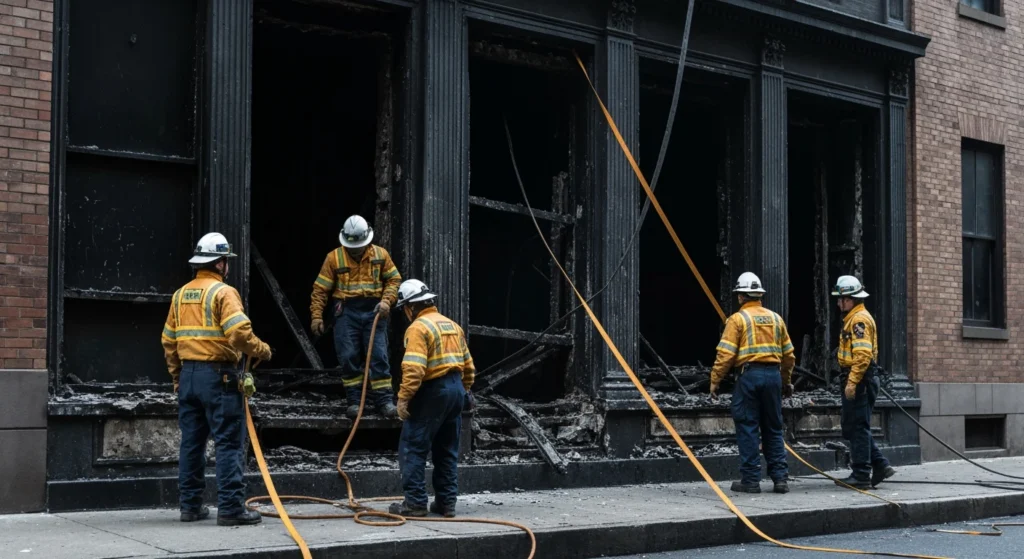
fire damage restoration is the professional process of cleaning, repairing, and rebuilding a property after a fire — covering everything from emergency stabilization and smoke removal to structural reconstruction and final restoration. According to the National Fire Protection Association (NFPA), U.S. fire departments respond to approximately 346,000 home structure fires per year, causing an estimated $8 billion in direct property damage annually. Recovery is possible with the right team and process.
What Is Fire Damage Restoration?
Fire damage restoration is a multi-phase professional service that returns a fire-damaged structure to its pre-loss condition. It is not simply cleaning up soot — it encompasses smoke odor elimination, structural drying (water damage from firefighting), content salvage, asbestos and hazardous material abatement if applicable, and full reconstruction. A certified restoration contractor coordinates all phases under IICRC S700 and IICRC S520 standards.
The 8-Phase Fire Damage Restoration Process
Phase 1: Emergency Response and Assessment (0–24 Hours)
The restoration process begins within hours of the fire being extinguished. A certified restoration company arrives to conduct a detailed damage assessment, documenting every affected area with photos and moisture readings. This documentation is critical for insurance claims. Emergency board-up of windows, doors, and roof penetrations protects the property from weather and vandalism while work begins.
Phase 2: Water Extraction and Structural Drying
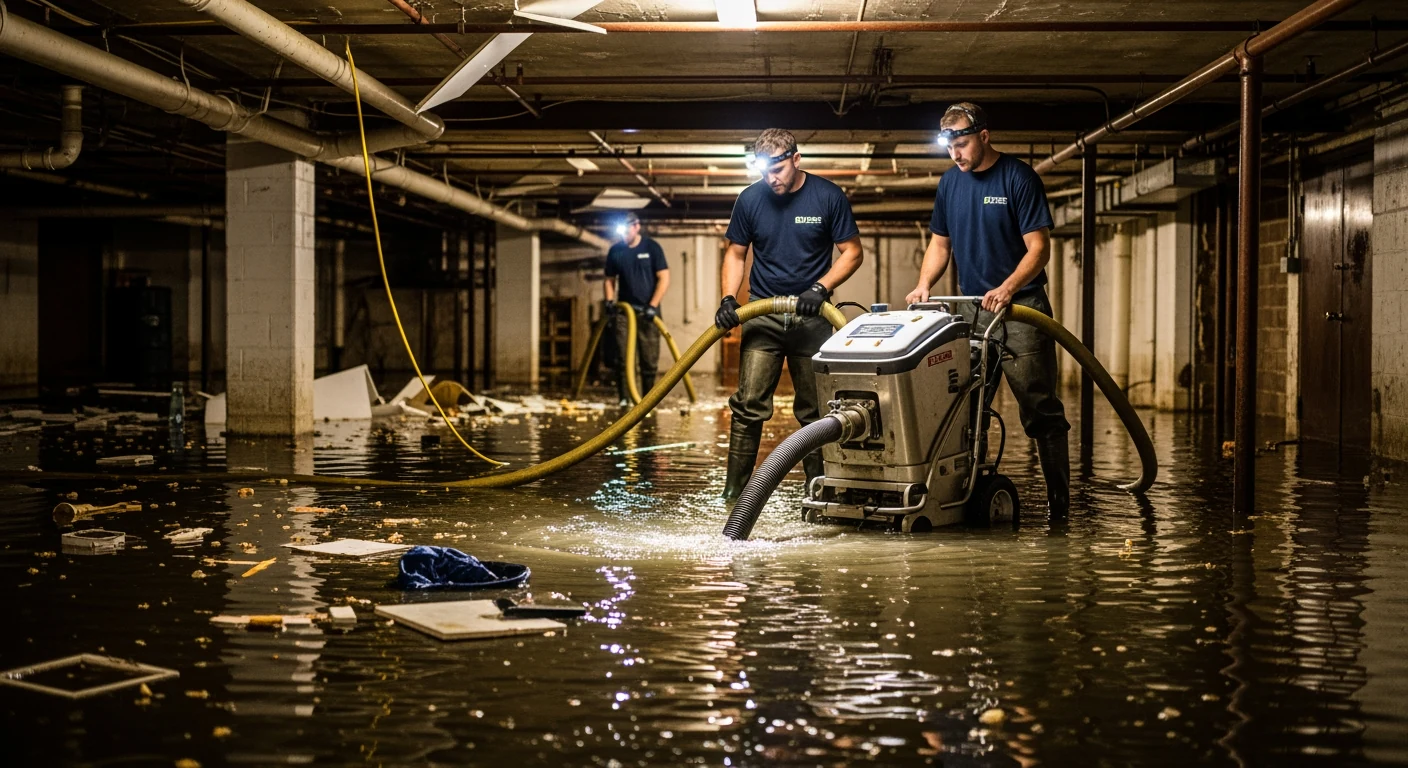
Firefighting water causes significant secondary damage. Professional extractors remove standing water, and industrial air movers with dehumidifiers run continuously — sometimes for 3–5 days — to dry structural materials to acceptable moisture content levels. IICRC S500 standards govern this process. Unchecked moisture leads to mold within 24–48 hours.
Phase 3: Soot and Smoke Removal
Soot is acidic and continues to damage surfaces it contacts. Dry sponge cleaning, chemical sponge methods, and HEPA vacuuming remove loose soot from ceilings, walls, and contents within the first 24–48 hours. Different soot types — wet soot (greasy, smearing fires), dry soot (fast-burning fires), and protein residue (cooking fires) — require different cleaning agents and techniques.
Phase 4: Smoke Odor Elimination
Smoke molecules penetrate porous materials including drywall, insulation, wood framing, and HVAC ductwork. Professional odor elimination uses thermal fogging, hydroxyl generators, ozone treatment, and encapsulants applied in sequence. A property is not fully restored until odor is eliminated — not masked. HVAC systems require professional cleaning and duct replacement in severe cases.
Phase 5: Content Cleaning and Pack-Out
Salvageable personal property, furniture, and valuables are inventoried, packed, and transported to a controlled restoration facility. Electronics, documents, photos, and clothing undergo specialized cleaning protocols. Ultrasonic cleaning effectively restores many items that appear destroyed. An itemized pack-out inventory supports your insurance contents claim.
Phase 6: Structural Cleaning and Demolition
Charred structural materials that cannot be cleaned — typically drywall, insulation, flooring, and cabinetry — are demolished and removed. If asbestos-containing materials (ACMs) were present in pre-1980 construction, licensed abatement must occur before demolition. New York State requires asbestos surveys before any renovation or demolition under the New York State Asbestos Handling regulations.
Phase 7: Reconstruction
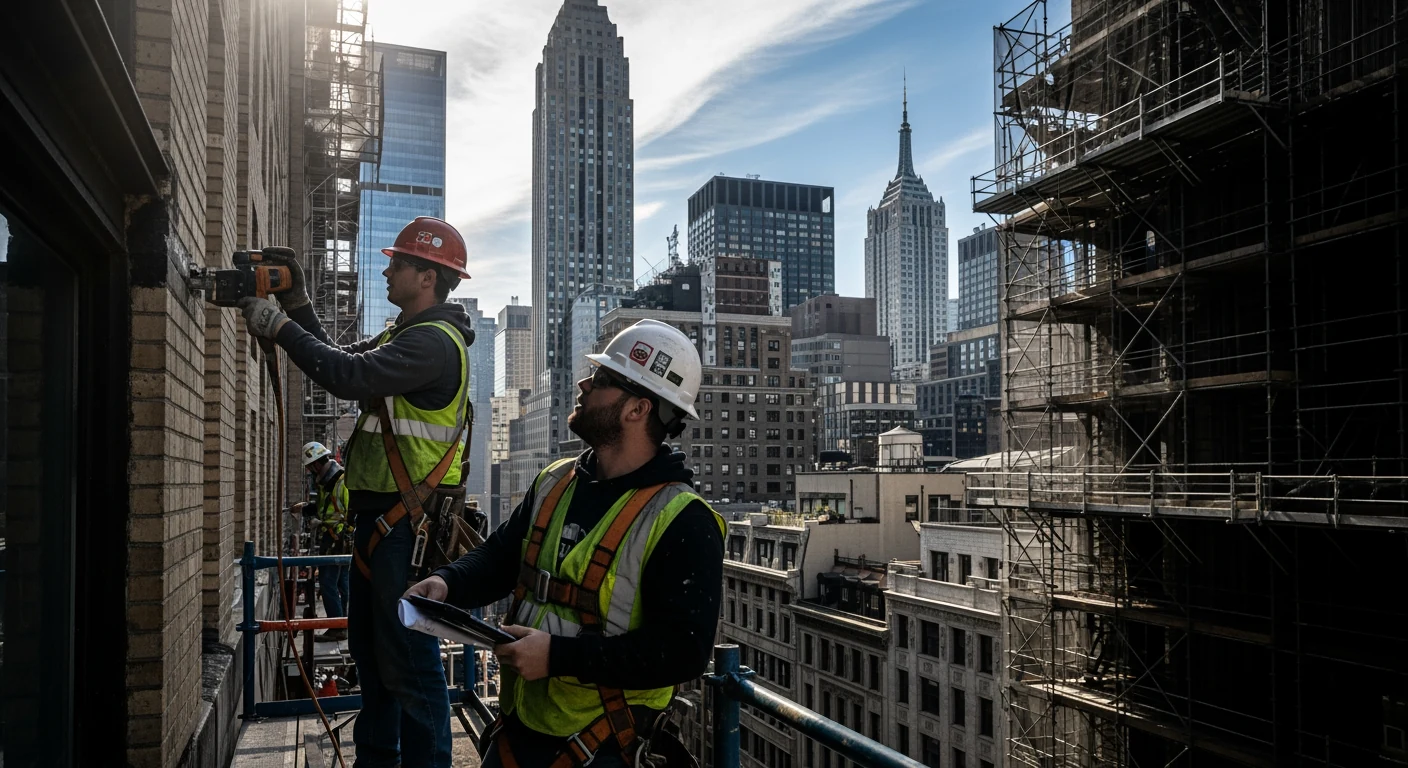
With structure clean and stable, reconstruction begins — framing, insulation, drywall, electrical, plumbing, finish work, and painting. A full-service restoration contractor handles all trades under one contract, reducing coordination burden on the homeowner. Licensed general contractors in New York must hold a Home Improvement Contractor (HIC) license through the NYC Department of Consumer and Worker Protection if working in New York City.
Phase 8: Final Inspection and Walkthrough
A final inspection confirms all work meets code, all odors are eliminated, and all surfaces are clean before the homeowner returns. Air quality testing may be performed using HEPA particle counters to verify indoor air is safe. Restoration companies providing this documentation support any remaining insurance negotiations.
How Much Does Fire Damage restoration cost?
Fire damage restoration costs vary significantly by severity. Minor fire damage (single room, surface smoke) typically runs $3,000–$15,000. Moderate fire damage affecting multiple rooms costs $15,000–$40,000. Severe fire damage requiring major reconstruction ranges from $40,000–$150,000 or more. The national average for a typical house fire restoration is approximately $10,900–$50,000, according to HomeAdvisor data. These costs are typically covered by standard homeowner’s insurance under Coverage A (dwelling) and Coverage C (personal property).
Working With Your Insurance Company
Your homeowner’s insurance policy is the primary funding mechanism for fire damage restoration. File your claim immediately — delays can complicate coverage. Key steps: (1) contact your insurer within 24 hours, (2) document all damage before cleanup begins, (3) request an advance for emergency expenses, (4) get the restoration company’s estimate in writing before work starts. You are entitled to choose your own restoration contractor — your insurer cannot mandate a specific company, though they may recommend their preferred vendors.
Choosing a Fire Damage Restoration Company in New York
In New York, fire damage restoration contractors should hold IICRC Fire and Smoke Restoration Technician (FSRT) certification at minimum. Look for companies with the S700 Fire and Smoke Damage Restoration Standard compliance, general liability insurance, workers’ compensation insurance, and a documented emergency response track record. Upper Restoration has served Long Island and New York City since 2008, holding full IICRC certification and NYC asbestos handling contractor licensing.
Frequently Asked Questions: Fire Damage Restoration
How long does fire damage restoration take?
Minor fire restoration takes 1–2 weeks. Moderate damage requiring structural work typically runs 4–8 weeks. Major fires with full reconstruction can take 3–6 months. Timeline depends on permit processing, insurance approvals, and material availability.
Is fire damage restoration covered by homeowner’s insurance?
Yes. Standard HO-3 homeowner’s insurance policies cover fire damage under the dwelling (Coverage A) and personal property (Coverage C) provisions. Additional living expenses (ALE) coverage pays for temporary housing during restoration. Check your specific policy for deductibles and limits.
Can smoke-damaged items be saved?
Many items are salvageable with professional cleaning. Hard surfaces, metal, glass, electronics, and sealed documents often restore well. Porous materials like mattresses, upholstered furniture, and carpets are often replaced rather than cleaned, depending on severity.
What should I NOT do after a house fire?
Do not re-enter until cleared by the fire marshal. Do not attempt to clean soot yourself — incorrect methods spread damage and set stains. Do not turn on HVAC systems, which spread soot through ductwork. Do not discard any items before the insurance adjuster photographs them.
How do restoration companies get rid of smoke smell?
Professional smoke odor elimination uses thermal fogging (a deodorizing fog that penetrates the same surfaces smoke did), hydroxyl generators (safe for occupied spaces), ozone treatment, and sealant-based encapsulants on porous surfaces. Masking agents do not constitute permanent odor elimination.
Need professional asbestos abatement on Long Island? Upper Restoration provides licensed asbestos abatement and removal services across NYC and Long Island. Contact us for a free assessment.