Fire Damage Repair and Restoration on Long Island: From Emergency Response to Finished Project
When a fire damages a Long Island home or commercial property, the restoration process involves multiple damage types at once — fire and char damage to structure and contents, smoke and soot throughout the entire building, water damage from fire suppression, and often mold risk from that water. Managing all of these streams simultaneously, within insurance timelines, is what separates a professional fire damage restoration contractor from a general contractor.
Upper Restoration handles fire damage restoration from initial emergency response through final reconstruction across Long Island and New York City. This guide explains the complete process and what property owners should expect at each stage.
Fire Damage Restoration Services: What’s Included
A complete fire damage restoration project typically includes:
- Emergency board-up and tarping: Securing the structure immediately after fire department clearance to prevent weather intrusion and unauthorized entry
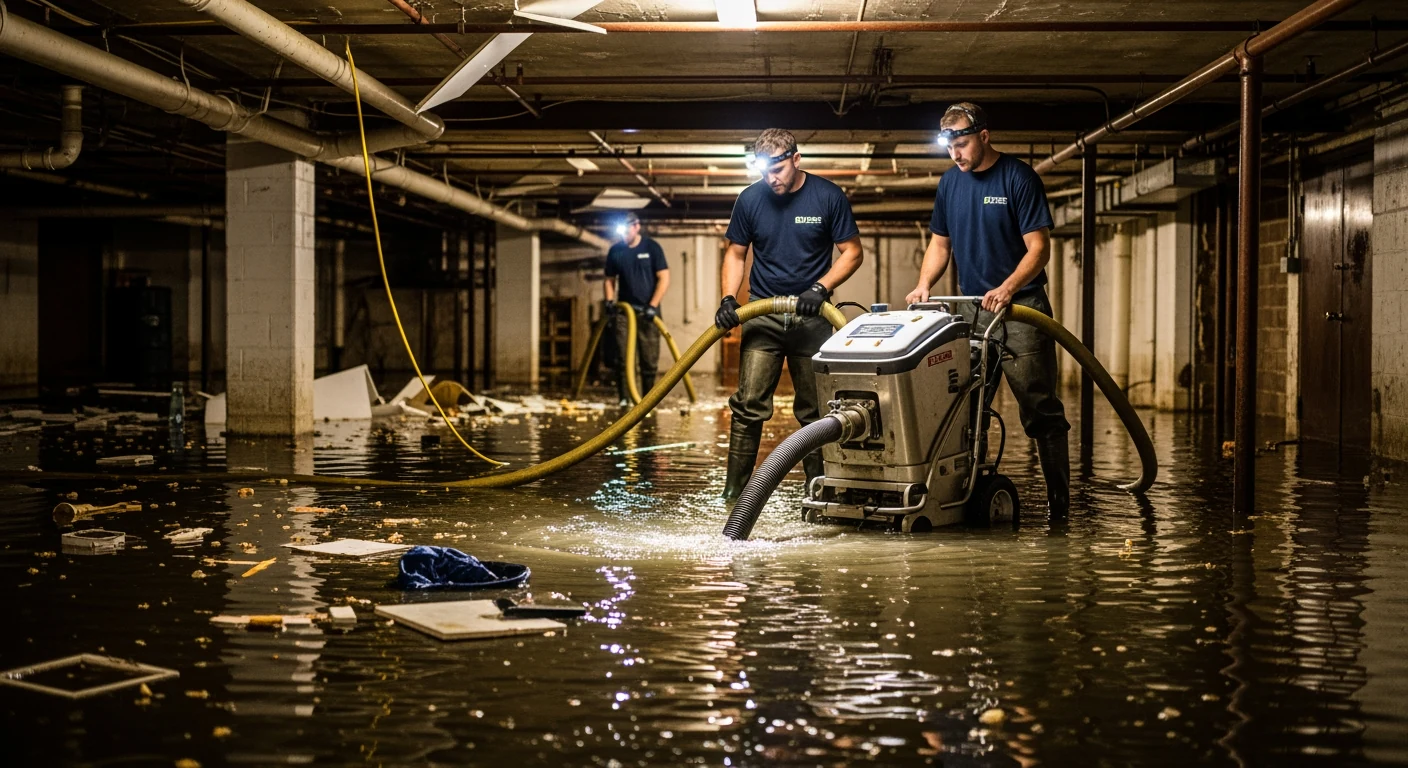
- Water extraction and drying: Addressing fire suppression water before reconstruction begins
- Smoke and soot cleaning: Full structure cleaning using methods matched to soot type
- HVAC cleaning: Removing smoke from ductwork and air handling equipment
- Structural deodorization: Thermal fogging or hydroxyl treatment to neutralize embedded odor
- Asbestos assessment: Required in pre-1980 properties before any demolition proceeds
- Demolition and debris removal: Removing fire-damaged and unsalvageable structural materials
- Structural reconstruction: Framing, insulation, drywall, electrical, and finish work to restore the property
- Contents cleaning and restoration: Salvageable furniture, documents, and personal property
The Fire Damage Restoration Process
Stage 1: Emergency response and stabilization
Within hours of fire department clearance, Upper Restoration secures the property. Windows and doors are boarded. Roof breaches are tarped. Utilities are isolated if damaged. This prevents additional weather damage and theft while the formal restoration plan is developed.
Stage 2: Documentation and scope development
Our team documents all damage — fire, smoke, soot, and water — with photography and moisture readings. In properties built before 1980, we assess for asbestos-containing materials before any demolition begins. This documentation forms the foundation of your insurance claim and the project scope.
Stage 3: Water mitigation
Firefighting water creates a parallel water damage problem. We extract all standing water and establish a structural drying program before smoke cleaning or demolition begins. Wet surfaces cannot be effectively cleaned, and trapped moisture in structural assemblies creates mold risk during reconstruction.
Stage 4: Smoke and soot remediation
Soot cleaning proceeds room by room with methods matched to the soot type. HVAC systems are cleaned and cleared. Structural deodorization is performed. All affected surfaces — including those in rooms that saw no flames — are addressed.
Stage 5: Selective demolition
Structural materials that cannot be restored — charred framing, saturated insulation, severely soot-damaged drywall — are removed. Our goal is always to preserve what can be saved while ensuring the reconstruction begins on a clean, verified substrate.
Stage 6: Reconstruction
Reconstruction proceeds from structural framing outward — insulation, drywall, electrical, plumbing, flooring, millwork, and paint. Upper Restoration manages reconstruction directly, so property owners work with one team through the entire project rather than transitioning to a separate contractor after mitigation.
Fire Damage Restoration and Insurance on Long Island
Fire damage is one of the most clearly covered perils under standard homeowners and commercial property insurance policies. Coverage typically includes all phases of professional restoration — emergency stabilization, mitigation, cleaning, and reconstruction — as well as contents cleaning and additional living expenses while the property is uninhabitable.
Upper Restoration has extensive experience working within insurance claim processes on Long Island. We document scope of loss throughout the project, communicate directly with adjusters, and ensure your claim reflects the full extent of damage. We do not start work before the scope is agreed upon with your carrier.
Frequently Asked Questions About Fire Damage Restoration
What is the fire damage restoration process?
The process moves through six stages: emergency stabilization (board-up, tarping), documentation and scope development, water mitigation, smoke and soot remediation, selective demolition, and full structural reconstruction. The sequence matters — water must be addressed before smoke cleaning, and structure must be cleaned before reconstruction begins.
How long does fire damage restoration take?
A kitchen fire affecting one room may require two to four weeks. A significant structure fire requiring major reconstruction can take several months. Upper Restoration provides a detailed project timeline after the initial assessment and scope development.
What is a fire damage restoration service?
A fire damage restoration service handles the complete recovery of a fire-affected property — from emergency response through finished reconstruction. This is distinct from a mitigation-only service, which handles extraction, drying, and cleaning but hands off reconstruction to a separate contractor.
Does fire damage restoration include smoke damage?
Yes. Smoke damage repair is an integrated component of fire damage restoration. Every fire restoration project includes smoke cleaning, HVAC treatment, and structural deodorization — not as add-ons, but as required stages of complete restoration.
Can fire-damaged property be fully restored?
In most cases, yes. Properties with significant fire damage can be restored to pre-loss condition or better through professional restoration. The exceptions are structures with catastrophic structural compromise — complete collapse, severely compromised foundations — where demolition and rebuild is more appropriate than restoration.