A house fire is one of the most disorienting things a homeowner can experience. The fire is out—but you’re standing in front of a damaged home with no idea what to do next. This guide gives you a clear, step-by-step plan for the first 48 hours after fire damage, explains the restoration process, and tells you exactly what fire damage costs to fix on Long Island.
What to Do Immediately After a House Fire: The First 48 Hours
Hours 1–6: Safety and Documentation
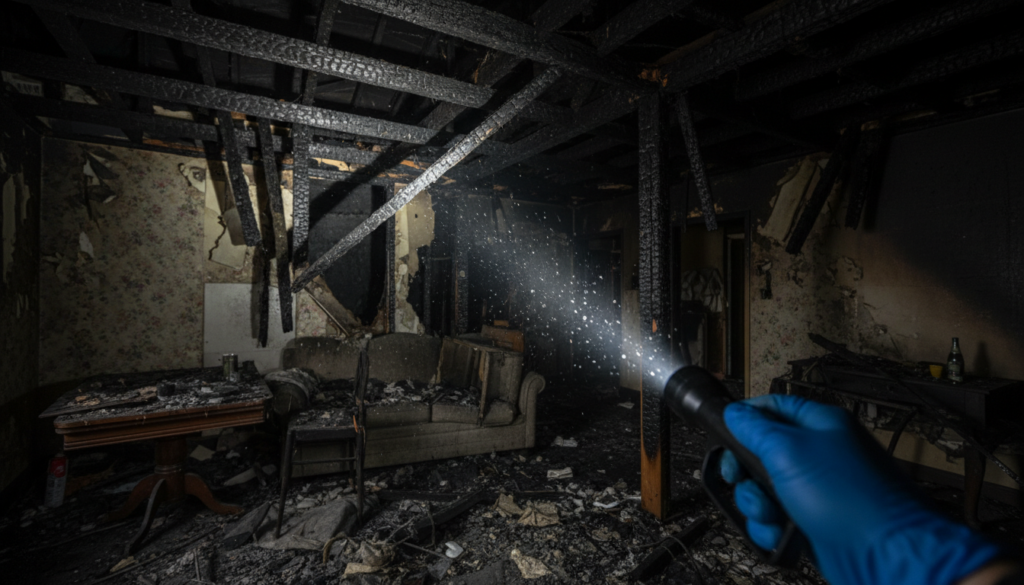
- Do not re-enter the structure until the fire marshal or building inspector has assessed structural safety and cleared entry. Post-fire structures can have compromised floors, weakened walls, and gas or electrical hazards that aren’t visible.
- Contact your insurance company. Call within hours, not days. Your insurer will assign an adjuster and may dispatch an emergency board-up and tarping crew to secure the property. This is typically covered under your policy regardless of fault.
- Document everything. Before any cleaning or board-up occurs, photograph every room, every damaged item, and every surface. This documentation is your claim evidence. More is better.
- Secure the property. If your insurer isn’t immediately dispatching a board-up crew and the structure is open, arrange emergency board-up yourself. Open structures are targets for theft and vandalism, and insurers may question delayed securing.
Hours 6–24: Assessment and Emergency Mitigation
- Call a licensed fire damage restoration contractor. Do not wait for the insurance adjuster. A reputable contractor will assess the damage, provide an emergency mitigation scope, and work directly with your insurer. On Long Island, Upper Restoration responds to fire damage calls 24/7.
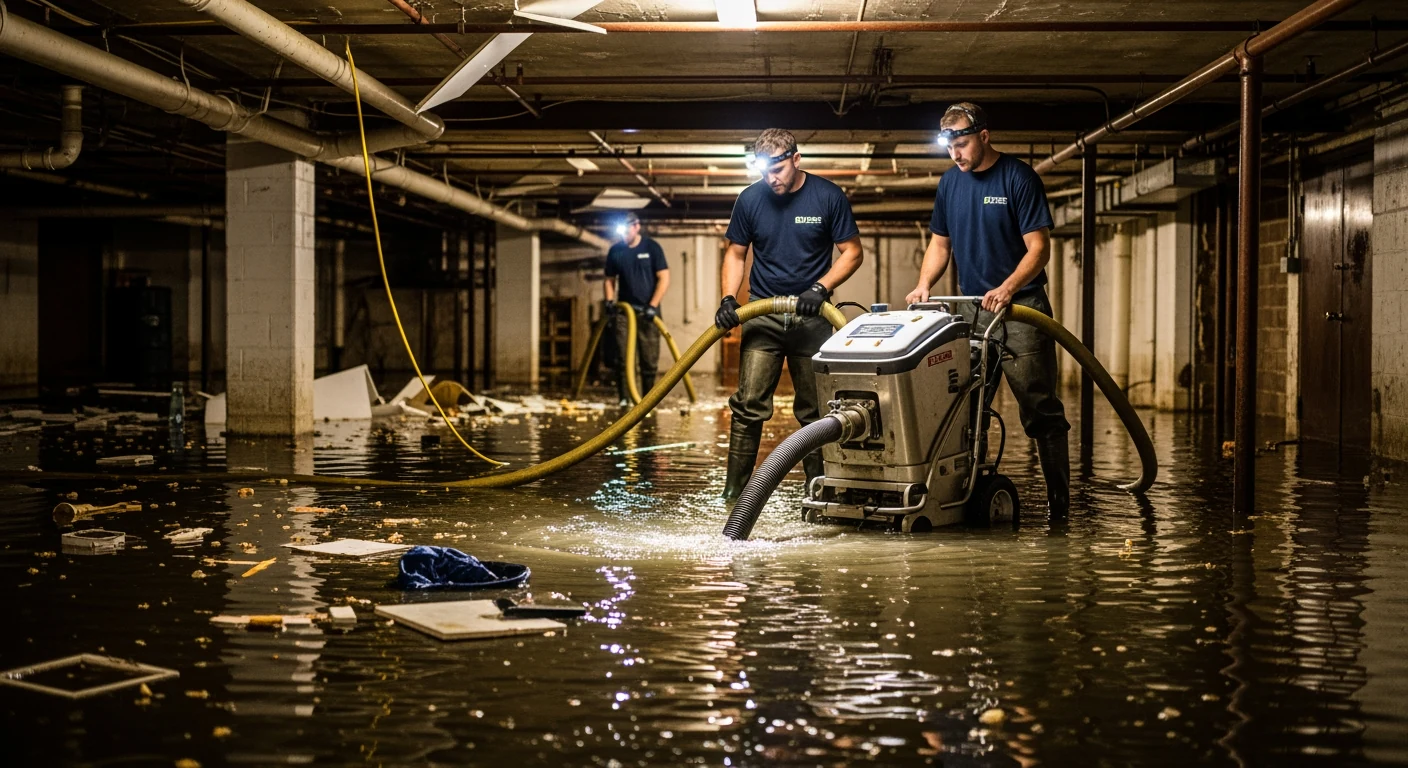
- Emergency mitigation begins. This includes boarding windows and doors, tarping exposed roof areas, extracting water from firefighting efforts (water damage from fire suppression is frequently more extensive than the fire damage itself), and setting drying equipment to prevent secondary mold growth.
- Arrange temporary housing. Most homeowner policies include Additional Living Expenses (ALE) coverage that pays for temporary housing while your home is uninhabitable. Ask your insurance adjuster about ALE within the first 24 hours.
Hours 24–48: Scope and Planning
- Get a written scope of work from your restoration contractor before any structural repair or cleaning begins. This should itemize every damaged material, the proposed repair or replacement approach, and estimated cost.
- Meet with the insurance adjuster. Walk the property together. Your contractor should be present. Adjusters who haven’t seen fire damage work frequently miss items—your contractor’s scope protects you.
- Secure personal property. Any salvageable personal items should be inventoried and either moved to a safe location or packed and stored. Restoration companies can provide pack-out services.
Is Your Home Safe to Re-Enter After Fire Damage?
The fire marshal clears a structure for entry based on immediate structural safety—not habitability. A structure can be cleared for entry by the fire marshal and still be completely unsafe for extended occupancy due to:
- Smoke and soot contamination of surfaces and air systems
- Carbon monoxide from smoldering materials
- Structural compromise not immediately visible
- Electrical hazards from heat-damaged wiring
- Toxic off-gassing from burned materials (plastics, synthetic textiles, treated wood)
Your restoration contractor will assess habitability separately from the fire marshal’s structural clearance. Do not allow family members—especially children—to spend extended time in a fire-damaged structure until it has been professionally assessed and mitigated.
What Does the Fire Damage Restoration Process Look Like?
Fire restoration is not a single trade—it’s a coordinated sequence:
- Emergency mitigation: Board-up, tarp, water extraction, structural drying
- Assessment and scoping: Damage documentation, moisture mapping, air quality testing
- Demolition of non-salvageable materials: Charred studs, burned drywall, damaged flooring
- Smoke and soot cleaning: All surfaces—walls, ceilings, HVAC ducts, attic framing—require professional cleaning or encapsulation. Soot penetrates porous surfaces and HVAC systems distribute smoke odor throughout the house.
- Odor neutralization: Thermal fogging, ozone treatment, or hydroxyl technology eliminates embedded smoke odor. This stage is frequently underestimated by homeowners and insurance adjusters.
- Structural repair and rebuild: Framing, drywall, insulation, flooring, cabinetry, fixtures
- Final cleaning and clearance: Air quality testing and surface wipe testing before re-occupancy
Fire Damage vs. Smoke Damage: Two Different Restoration Problems
This distinction matters for your budget and your expectations. A kitchen fire that burns one cabinet and chars a section of ceiling creates two problems:
- Fire damage: The physically burned materials—charred cabinet, scorched ceiling—that need demolition and replacement. This is the visible damage.
- Smoke damage: Smoke travels through the entire house via air movement, penetrating every porous surface—drywall, insulation, carpets, clothing, HVAC ducts. Homes where a single room caught fire routinely require smoke treatment throughout the entire structure. Smoke damage often costs more to remediate than the fire damage itself.
Insurance adjusters who only scope the fire-affected room are underestimating the claim. A licensed restoration contractor will scope the full smoke damage footprint.
How Much Does Fire Damage Restoration Cost on Long Island?
| Severity | Typical Cost (LI) | Scope |
|---|---|---|
| Minor (contained, one room) | $5,000–$20,000 | One room rebuild + smoke treatment |
| Moderate (multiple rooms) | $20,000–$60,000 | Structural repairs + full smoke remediation |
| Major (structural involvement) | $60,000–$150,000+ | Significant rebuild + all systems |
| Total loss (rebuild) | $200,000–$500,000+ | Depends on home size and rebuild spec |
Working With Your Insurance Company After a Fire
Your insurer’s interest and your interest are not perfectly aligned. The adjuster is estimating to settle the claim—not to ensure your home is fully restored to pre-loss condition. To protect yourself:
- Get your own restoration contractor’s scope before accepting the adjuster’s estimate
- Document every item damaged or destroyed with photos and purchase records
- Don’t sign a final release until all work is complete and you’re satisfied
- Know that you can dispute an adjuster’s estimate—supplemental claims are common in fire restoration
Upper Restoration works directly with all major insurance carriers and helps clients navigate the claims process from first call to final sign-off.
Upper Restoration provides emergency fire damage response, board-up, water extraction, and full restoration across Nassau County, Suffolk County, and NYC. We work directly with all insurance carriers.
Emergency Line: | Contact Us Now
Frequently Asked Questions
Can I stay in my home after a small kitchen fire?
Possibly, but get a professional air quality assessment first. Even a small kitchen fire creates smoke contamination that can affect air quality throughout the house. Carbon monoxide, particulates, and toxic off-gassing from burned materials are concerns that aren’t visible. A licensed restoration contractor can assess habitability within hours.
How long does fire damage restoration take?
Minor fire damage (one room, limited smoke impact) can take 2–4 weeks for complete restoration. Moderate to major damage typically takes 2–6 months. The timeline depends on the scope of structural repairs, permitting, and whether insurance claim resolution delays construction start.
Does homeowner’s insurance cover all fire damage restoration costs?
Standard homeowner’s insurance covers fire damage restoration costs up to your dwelling coverage limit, subject to your deductible. Coverage includes structural repair, smoke remediation, and temporary housing (ALE). Items may be subject to depreciation depending on your policy type (ACV vs. RCV). A licensed contractor can help you document the full scope to maximize your legitimate claim.