Autumn often brings turbulent weather, from heavy rains and high winds to early-season snowstorms. These events can cause power outages, flooding, and property damage. Being prepared is the best way to keep your family safe and minimize the potential impact on your home.
Use this comprehensive checklist to harden your home, gather necessary supplies, and create a plan before the next storm hits.
Part 1: Harden Your Home
Exterior:
- Clean Gutters and Downspouts: Ensure they are clear of leaves and debris so water can drain away from your foundation.
- Trim Trees and Branches: Remove any dead or overhanging branches that could fall on your home, car, or power lines during high winds.
- Secure Outdoor Items: Store or tie down patio furniture, grills, trampolines, and anything else that could become a projectile in strong winds.
- Check Your Roof: Visually inspect your roof for any loose or missing shingles and have them repaired.
- Inspect Sump Pump: If you have a sump pump, test it to make sure it’s working correctly. Consider a battery backup for power outages.
- Check Seals: Inspect the weather stripping and seals around windows and doors to prevent water and wind from entering.
Interior:
- Test Smoke and Carbon Monoxide Detectors: Change the batteries to ensure they are working.
- Protect Your Valuables: Move important documents, photos, and electronics out of the basement and to a higher floor if possible. Store critical papers in a waterproof container.
- Know Your Shut-Offs: Locate and learn how to shut off your home’s main water valve, gas line, and electricity.
Part 2: Build Your Emergency Kit
Your kit should contain enough supplies to last each person in your household for at least 72 hours. Store it in a cool, dark place that’s easy to access.
Essentials:
- Water: One gallon of water per person, per day.
- Non-Perishable Food: Canned goods, energy bars, dried fruit. Don’t forget a manual can opener.
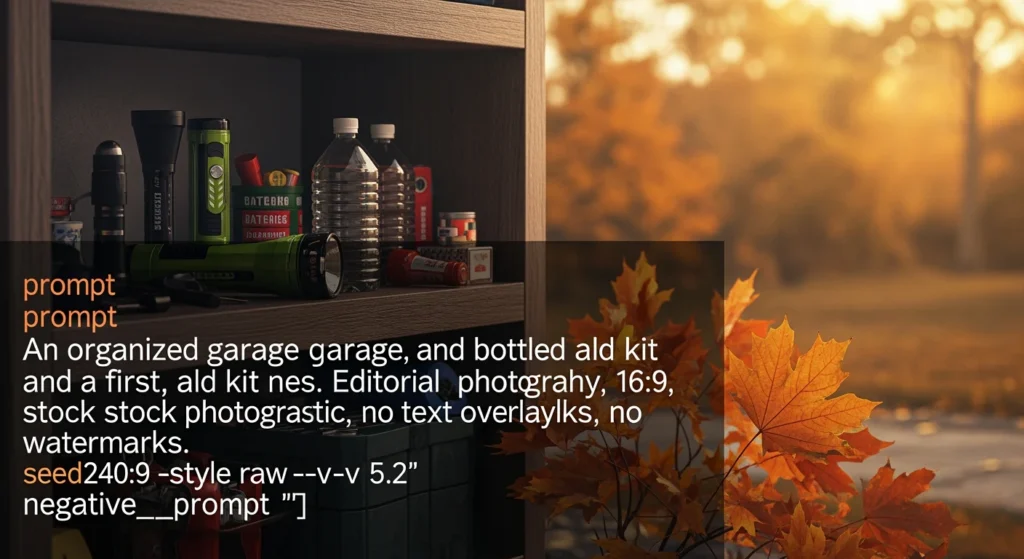
- Flashlights and Batteries: Use flashlights or lanterns, not candles, to avoid a fire hazard.
- First-Aid Kit: Include bandages, antiseptic wipes, pain relievers, and any personal medications.
- Battery-Powered or Hand-Crank Radio: To stay informed about weather updates and emergency broadcasts.
- Whistle: To signal for help.
- Cash: ATMs and credit card machines may not work during a power outage.
- Phone Chargers & Power Bank: A fully charged portable power bank is essential.
Additional Supplies:
- Blankets or sleeping bags
- Change of clothes and sturdy shoes
- Moist towelettes, garbage bags, and personal hygiene items
- Games, books, or puzzles for entertainment
- Pet food and extra water for your pets
Part 3: Create Your Plan & Document
- Family Communication Plan: Designate an out-of-state contact person for family members to call and check in with. Ensure everyone has this person’s number.
- Evacuation Route: If you live in an area prone to flooding, know your local evacuation routes.
- Pre-Storm Documentation: Take photos or videos of your home’s interior and exterior, including valuable possessions. This will be invaluable if you need to file an insurance claim.
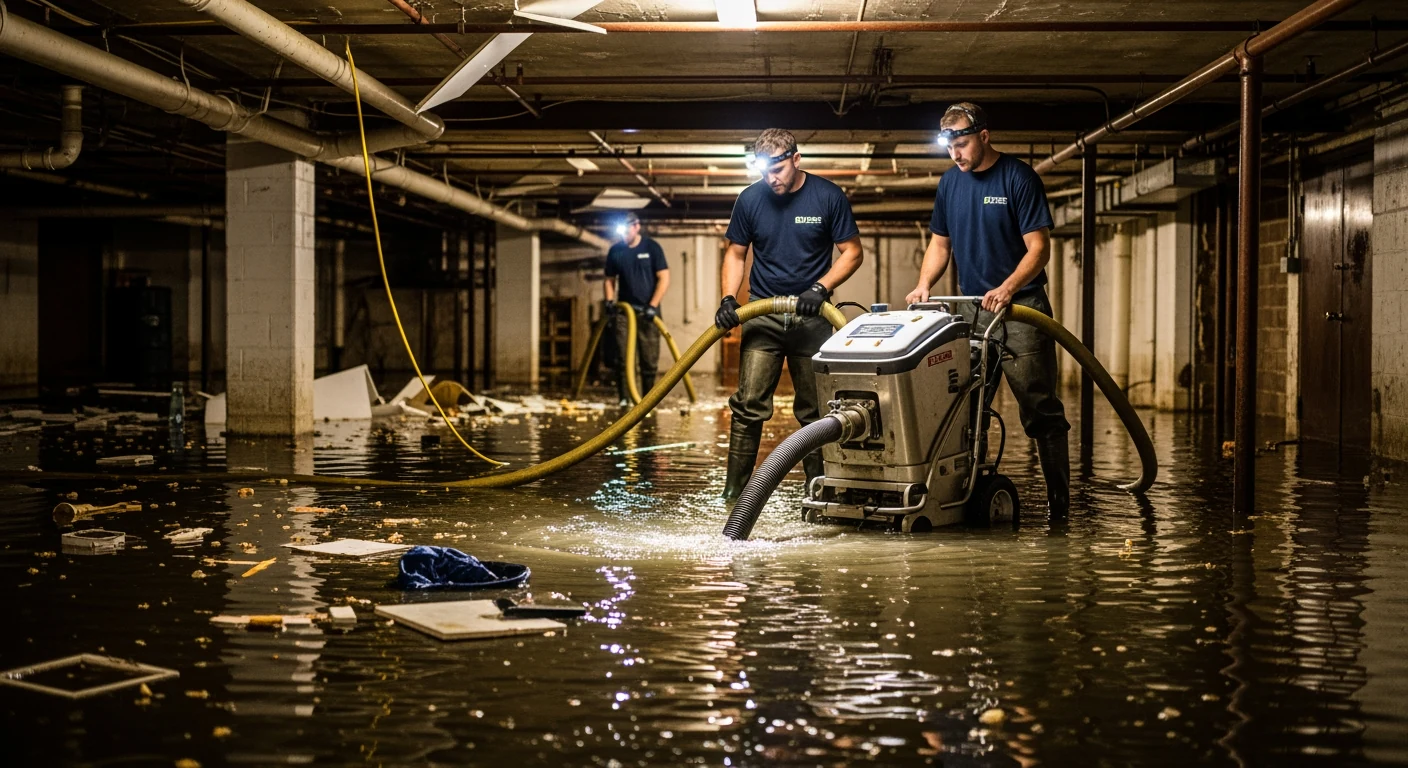
Preparation is your best defense against severe weather. By taking these steps, you can face fall storms with confidence. And if your home does sustain water damage, remember that Upper Restoration is ready to respond 24/7 to help you recover quickly.
2026 Update: Fall Storm Prep for Long Island Homeowners
Fall 2025 brought three named storms to the Northeast, including one that caused significant flooding in Nassau and Suffolk County. The 2026 Atlantic hurricane season is forecast to be above average. Long Island homeowners should complete fall storm prep before October to avoid emergency contractor shortages during active weather events.
2026 Fall Storm Prep Checklist
Exterior
- ☑ Clean gutters and downspouts — clogged gutters are the #1 cause of preventable basement flooding
- ☑ Inspect roof for missing or loose shingles — repair before first nor’easter
- ☑ Trim trees within 15 feet of the house, especially dead branches over the roofline
- ☑ Check sump pump operation and battery backup — test by pouring water in the pit
- ☑ Seal any foundation cracks with hydraulic cement before ground freezes
- ☑ Grade soil away from foundation if settled flat or inward-sloping
Interior Prep
- ☑ Locate and label your main water shutoff — know it before you need it
- ☑ Move valuables and documents off basement floors (minimum 12 inches elevation)
- ☑ Test GFCI outlets in basement and garage — reset if tripped
- ☑ Have a licensed plumber inspect any exposed pipes in unheated spaces before November
Insurance Prep (New for 2026)
- ☑ Photograph every room and exterior with timestamped video before storm season
- ☑ Review your flood insurance coverage — standard homeowners policies exclude flood damage
- ☑ Know your insurance company’s emergency claims number — save it in your phone now
Frequently Asked Questions: Fall Storm Prep
When should Long Island homeowners start fall storm prep?
FEMA and the National Weather Service recommend completing all storm preparation by October 1 in the Northeast. Long Island’s peak storm season runs from late September through December, with nor’easters and tropical storm remnants posing the greatest risk. Starting prep in mid-September gives adequate time for contractor scheduling.
Does homeowners insurance cover storm damage on Long Island?
Standard HO-3 policies cover sudden wind, rain, and storm damage to your home’s structure and contents. However, flood damage requires a separate National Flood Insurance Program (NFIP) policy — critical for Long Island’s coastal and low-lying communities. Wind and named-storm deductibles in New York can range from 1–5% of the insured value.
What is the most important exterior prep for storm season?
Gutter and downspout cleaning is the single highest-impact exterior task. Clogged gutters cause water to back up under roof shingles and pool against foundations — the two most expensive categories of storm damage. The second priority is trimming dead branches within 10 feet of the roofline.
How long should my emergency supply kit last?
FEMA recommends a minimum 72-hour (3-day) supply of water, food, medications, and batteries for each household member. For Long Island, where nor’easters can cause extended power outages lasting 5–7 days, a 7-day supply is more practical — especially for households with elderly members, young children, or medical equipment needs.
What should I do immediately after storm damage to my home?
Document all damage with photos and video before touching anything. Call your insurance company within 24 hours to file a claim. Then contact a licensed restoration company like Upper Restoration for emergency mitigation — tarping exposed roofs, extracting standing water, and preventing secondary mold damage. Do not attempt structural repairs yourself.
*Editor’s Note: This checklist was reviewed and updated for the 2026 storm season with current FEMA guidelines and Long Island-specific recommendations. Last reviewed: March 22, 2026.