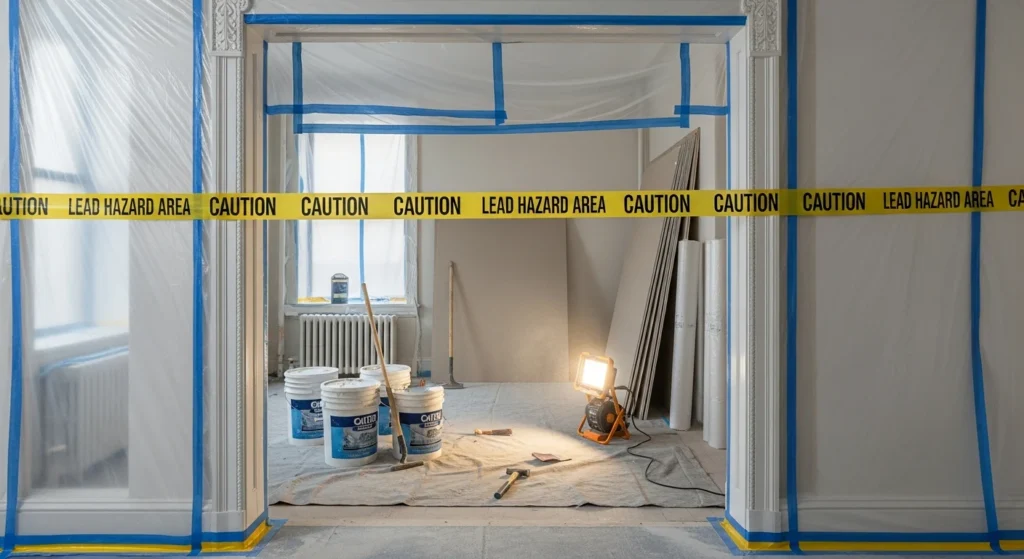
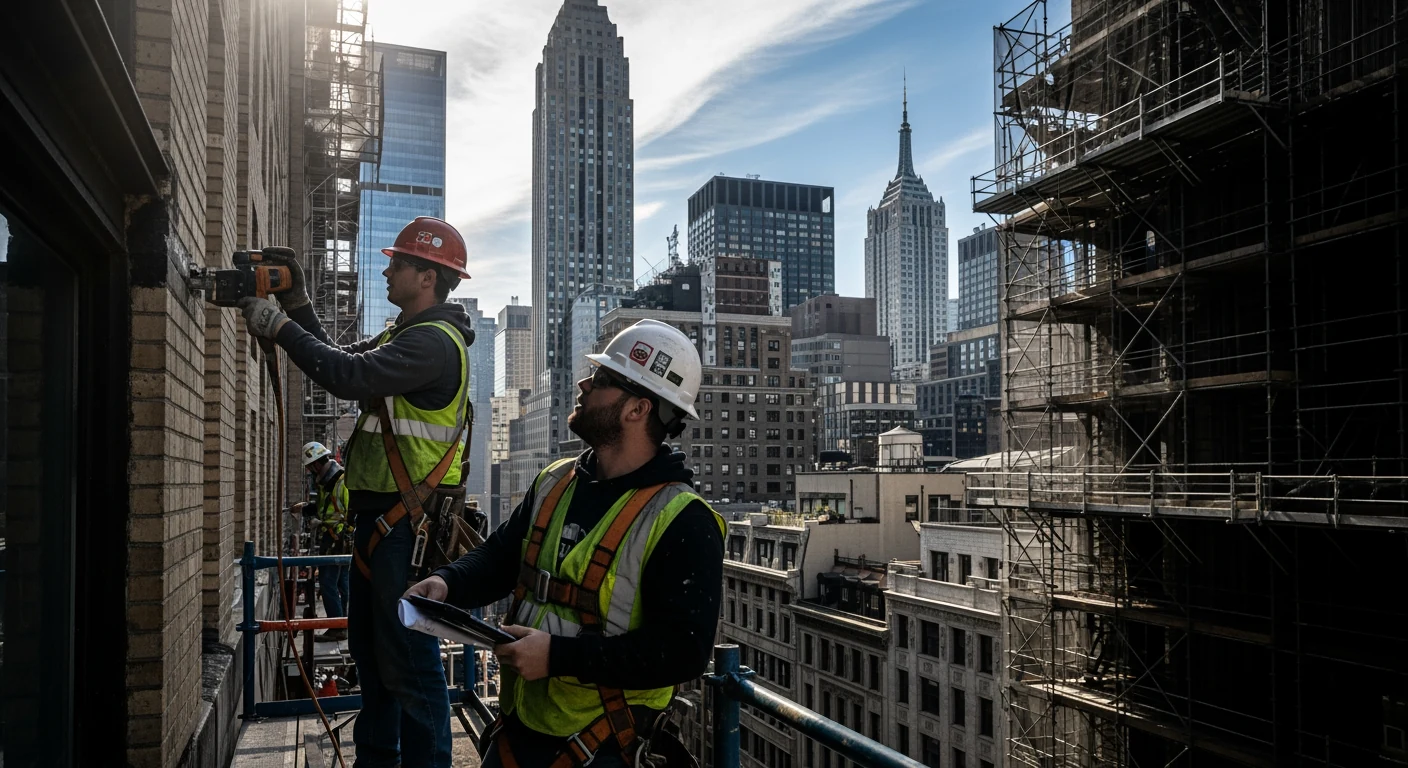
The EPA’s Renovation, Repair, and Painting (RRP) Rule is one of the most misunderstood federal regulations affecting older homes on Long Island and in New York City. Many homeowners — and even some contractors — conflate RRP with asbestos regulations, or assume that RRP compliance covers asbestos requirements. It does not. This guide clarifies both rules and what they mean for any renovation project in a pre-1980 home.
What the EPA RRP Rule Actually Covers
The EPA RRP Rule (40 CFR Part 745) was enacted in 2008 and became fully enforceable in 2010. It requires contractors performing renovation, repair, or painting work that disturbs lead-based paint in pre-1978 homes, child-occupied facilities, and schools to:
- Be certified by the EPA as a Renovator (or work under a certified Renovator)
- Follow specific lead-safe work practices during the renovation
- Provide the EPA’s “Renovate Right” pamphlet to homeowners before work begins
- Maintain post-renovation cleaning verification records
Important: RRP covers lead paint — not asbestos. A contractor who is RRP-certified is not automatically qualified to handle asbestos-containing materials.
Where RRP and Asbestos Overlap
Pre-1978 homes — the target of RRP — are also the most likely to contain asbestos. Renovation work that disturbs lead paint almost always disturbs other materials in the same vintage: drywall joint compound, floor tiles, pipe insulation, and textured ceilings that may contain asbestos. This overlap creates a dual compliance obligation that many contractors miss:
- RRP compliance for lead paint disturbance
- NYS/NYC asbestos survey and licensed abatement compliance for any ACM disturbance
A contractor who is only RRP-certified and handles suspected asbestos-containing materials is violating NYS Labor Law Article 32 — regardless of RRP compliance.
New York State’s Rules: Stricter Than Federal
New York State operates its own EPA-authorized lead renovation program under the NYS Department of Health, which incorporates the federal RRP requirements with some state-specific additions. More importantly, New York’s asbestos regulations (NYS Labor Law Article 32 and NYC DEP rules) are entirely separate from RRP and are enforced independently.
In New York:
- RRP certification is required for lead paint renovation work in covered buildings
- A licensed NYS asbestos assessor survey is required before any renovation of pre-1980 buildings that will disturb suspect materials
- Licensed NYS asbestos abatement (Article 32) is required for any ACM removal — regardless of whether the contractor is RRP-certified
What Long Island Homeowners Need to Ask Every Contractor
Before any renovation work in a pre-1980 Long Island or NYC home, ask:
- Are you EPA RRP certified? (Required for lead paint disturbance in pre-1978 homes)
- Have you ordered an asbestos survey for this project? (Required before disturbing suspect materials)
- Do you hold a current NYS Article 32 asbestos abatement license, or will you subcontract to a licensed abatement contractor?
- Who is your licensed mold assessor if mold is discovered during the renovation?
2026 Enforcement Note
EPA RRP enforcement in New York increased in 2025–2026, with the EPA Region 2 office (covering NY and NJ) issuing a record number of civil penalty notices to renovation contractors in the $10,000–$37,500 per violation range. Homeowners who hire non-RRP-certified contractors can also face liability for facilitating unlawful lead disturbance in child-occupied homes.
Upper Restoration works exclusively with RRP-certified contractors and licensed NYS asbestos abatement professionals. Contact us for a compliant pre-renovation assessment.