Yes — insurance companies routinely work with cleaning and restoration claims. In fact, the relationship between insurers, adjusters, and IICRC-certified restoration contractors is one of the most established workflows in the property insurance industry. But the process has specific rules, timelines, and documentation requirements that directly affect how much you recover. This guide explains exactly how the claims process works in New York, what’s typically covered under standard HO-3 and HO-5 policies, and how Upper Restoration coordinates with your carrier from first notice of loss through final payment.
How Restoration Insurance Claims Work: The Step-by-Step Process
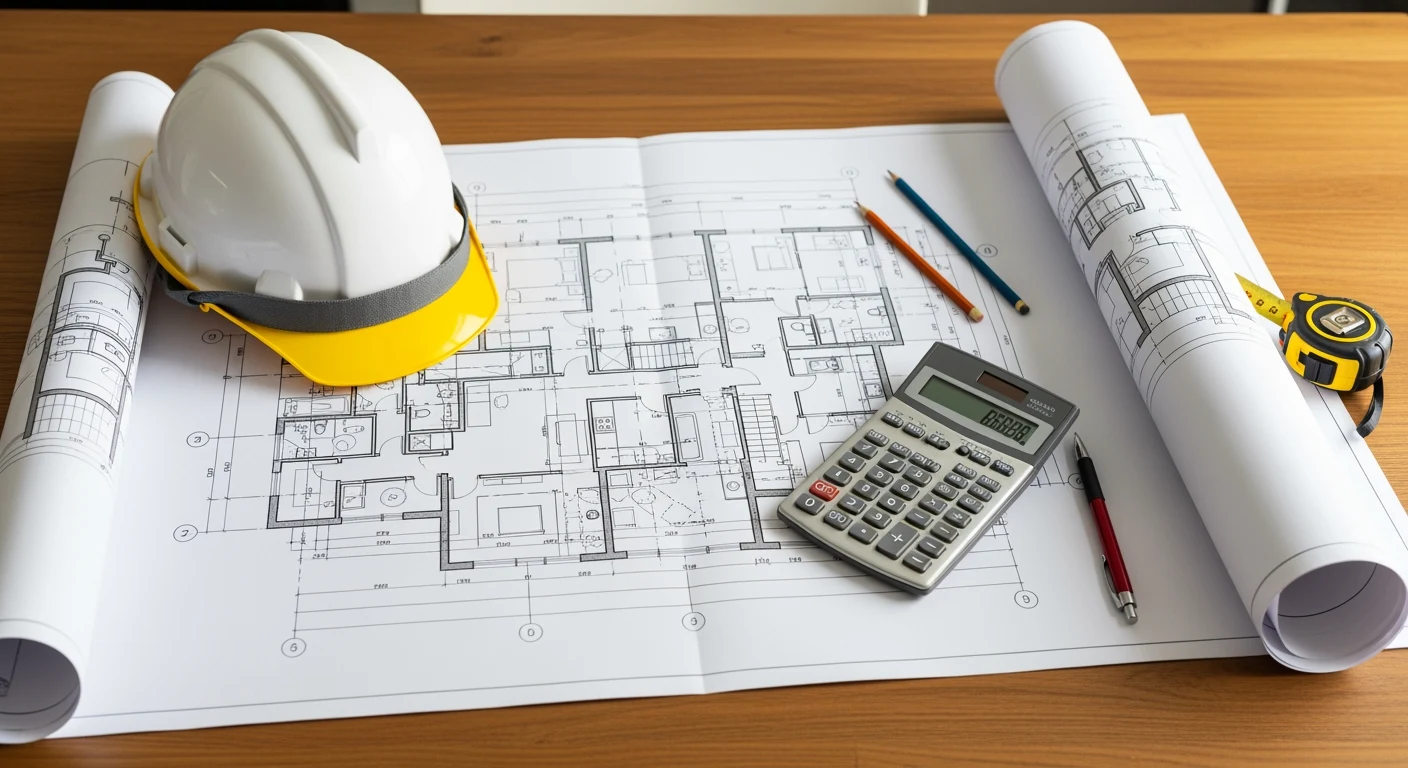
A restoration claim follows a predictable sequence established by the National Association of Insurance Commissioners (NAIC). First, the policyholder notifies their carrier — most New York policies require notification within 24–72 hours of discovering the damage. The carrier assigns a claims adjuster, who inspects the property, documents the damage, and generates a scope of work. A professional restoration company then provides an Xactimate estimate — the industry-standard pricing software used by virtually all major carriers including Allstate, State Farm, Liberty Mutual, Travelers, and USAA.
Upper Restoration generates Xactimate-compliant estimates for every project, which eliminates the most common source of claim disputes: pricing disagreements between the contractor and the adjuster. This single step accelerates claim approval by an average of 5–10 business days compared to contractors who submit non-standard estimates.
What Insurance Typically Covers for Cleaning and Restoration
Standard homeowners insurance policies (HO-3) cover restoration costs for sudden and accidental damage from covered perils. According to the Insurance Information Institute, the most commonly covered restoration scenarios include:
- Water damage from burst pipes, appliance failures, and storm-driven roof leaks — the single most frequent homeowners claim category
- Fire and smoke damage — covered under virtually all standard policies, including structural repair, smoke odor remediation, and content cleaning
- Storm and wind damage — covered for sudden events, though wind/hurricane deductibles in New York can reach 2–5% of insured value
- Mold remediation — covered when mold results from a covered peril (e.g., a burst pipe), but typically excluded when caused by deferred maintenance or gradual leaks
What’s generally not covered: gradual deterioration, deferred maintenance, flooding (requires separate NFIP or private flood policy), and pest damage. The distinction between “sudden” and “gradual” is the most contested issue in restoration claims — how the cause of loss is categorized directly determines coverage. Identifying hidden water damage early strengthens the “sudden” classification.
Choosing Your Own Restoration Company vs. Insurer-Referred Contractors
A critical fact many policyholders don’t know: you have the legal right to choose your own restoration contractor in New York. The New York Department of Financial Services confirms that insurers cannot require you to use a specific vendor. While carriers maintain “preferred vendor” networks, these arrangements benefit the insurer’s cost management — not necessarily the quality of your restoration.
Upper Restoration works as a direct-bill restoration contractor, meaning we bill the insurance company directly using Xactimate line-item estimates that adjusters can approve without translation. This eliminates the out-of-pocket burden for policyholders while ensuring that the full scope of damage is documented and restored — not just the minimum the carrier’s preferred vendor might address. For a deeper understanding of insurance coordination, see our guide on fire damage restoration costs and insurance.
Why Working with an IICRC-Certified Restoration Company Matters for Claims
Insurance adjusters give significantly more weight to documentation from IICRC-certified restoration firms. The Institute of Inspection, Cleaning and Restoration Certification (IICRC) is the credentialing body recognized by the insurance industry as the standard for restoration competency. Upper Restoration’s technicians hold IICRC certifications in Water Damage Restoration (WRT), Fire and Smoke Restoration (FSRT), and Applied Microbial Remediation (AMRT).
Certified firms produce moisture mapping reports, thermal imaging documentation, air quality testing results, and photo-verified damage assessments that meet the evidentiary standards insurance adjusters require. This documentation is the difference between a fully funded claim and a disputed one. Our mold remediation process follows IICRC S520 standards, which most carriers explicitly reference in their coverage language.
What to Do If Your Insurance Payout Falls Short
If your insurer’s initial estimate doesn’t cover the full scope of restoration, you have options. First, request a re-inspection with your restoration contractor present — Upper Restoration routinely meets with adjusters on-site to walk through disputed line items. Second, invoke the appraisal clause in your policy, which provides a binding dispute resolution process using independent appraisers. Third, consult a public adjuster — a licensed professional who represents the policyholder’s interests (not the carrier’s) in claim negotiations.
The New York Department of Financial Services also accepts complaints about unfair claim practices. Documenting everything — photos, moisture readings, contractor estimates, and all carrier correspondence — is the single most important factor in recovering a fair payout.
Frequently Asked Questions About Insurance and Restoration Claims
How quickly should I report property damage to my insurance company?
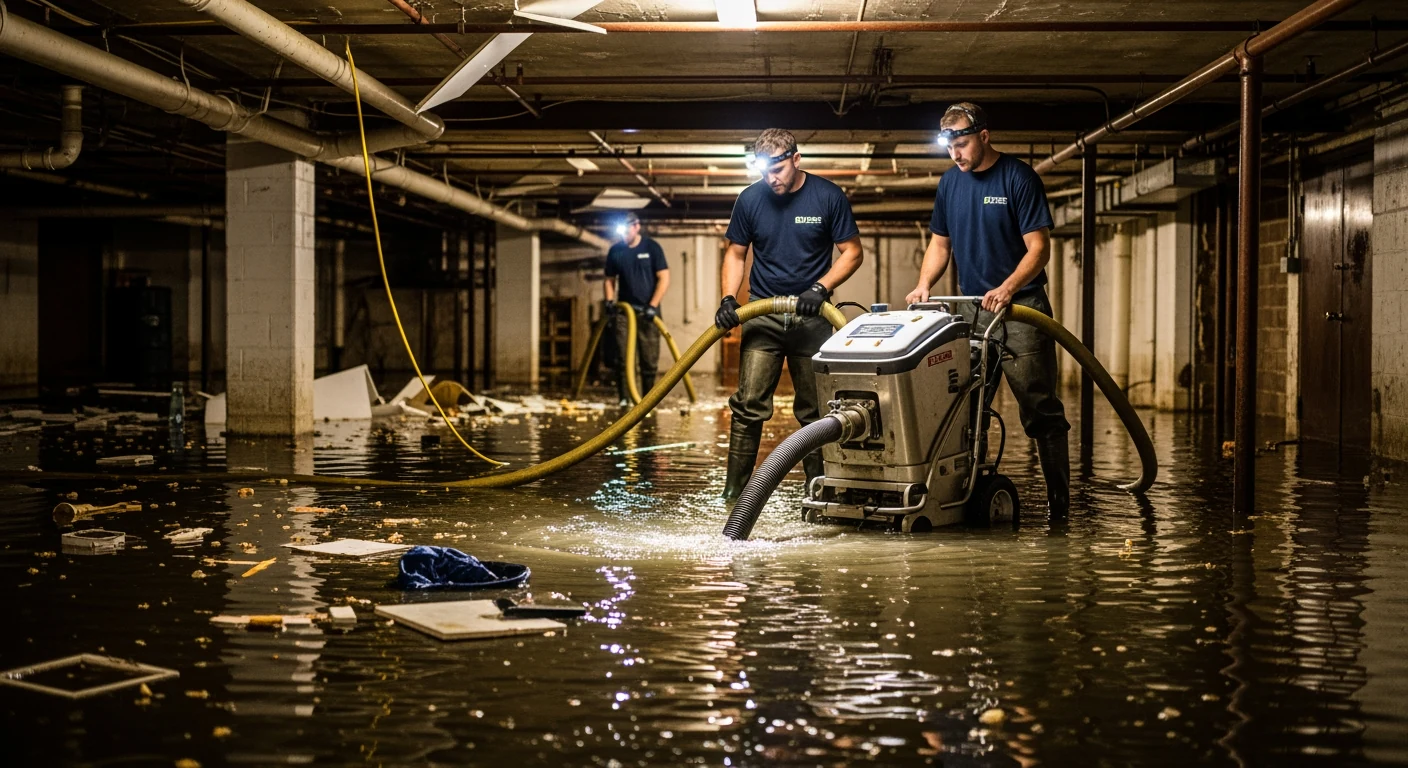
Most New York policies require notification within 24–72 hours of discovering damage. Delayed reporting can complicate or reduce your claim. Call your insurer immediately — even before cleanup begins — to get a claim number and have an adjuster assigned. Upper Restoration can begin emergency mitigation while the claim is being processed.
Does homeowners insurance cover mold and water damage remediation?
Coverage depends on the source. Sudden events — a burst pipe, storm flooding, appliance failure — are typically covered under standard HO-3 policies. Gradual damage from a slow leak or deferred maintenance is typically excluded. How the cause of loss is documented and categorized significantly affects coverage determination.
What is an Xactimate estimate and why does it matter?
Xactimate is the industry-standard software used by insurance adjusters to price restoration work. Professional restoration companies like Upper Restoration generate Xactimate estimates that adjusters can review directly, which reduces disputes and accelerates claim approval by 5–10 business days compared to non-standard estimates.
Can my insurance company force me to use their preferred restoration contractor?
No. In New York, you have the legal right to choose your own restoration contractor. The New York Department of Financial Services confirms that insurers cannot require you to use a specific vendor. You may choose any licensed, insured restoration company.
What should I do if my insurance claim is denied or underpaid?
Request a written explanation of the denial, then request a re-inspection with your restoration contractor present. You can also invoke the appraisal clause in your policy for binding dispute resolution, hire a public adjuster, or file a complaint with the New York Department of Financial Services.
Does Upper Restoration bill insurance companies directly?
Yes. Upper Restoration operates as a direct-bill restoration contractor, submitting Xactimate-compliant estimates directly to your insurance carrier. This eliminates upfront out-of-pocket costs for policyholders on covered claims and streamlines the entire payment process.
*Editor’s Note: This article was originally published in 2025 and has been fully updated with current New York insurance regulations, 2026 claim data, and expanded guidance on contractor selection and dispute resolution. Last reviewed: March 22, 2026.