Official Answer
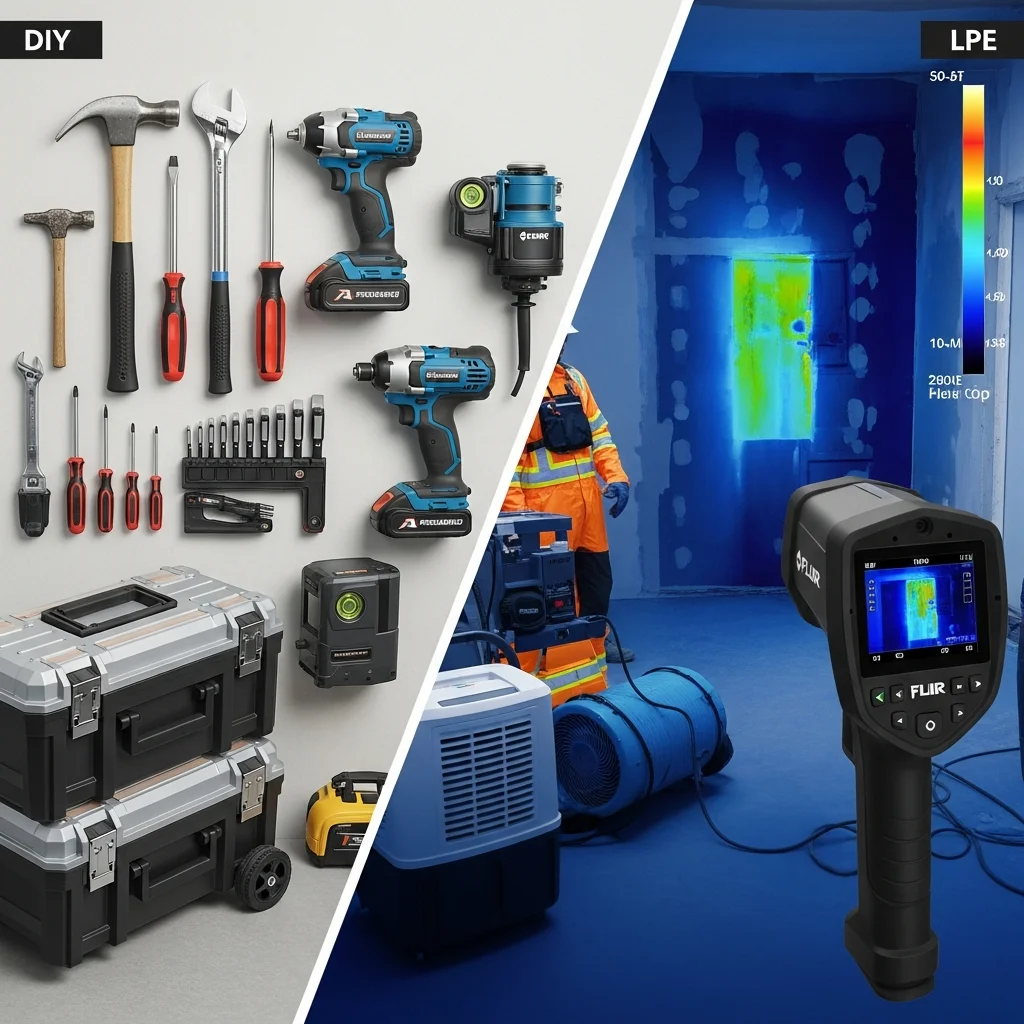
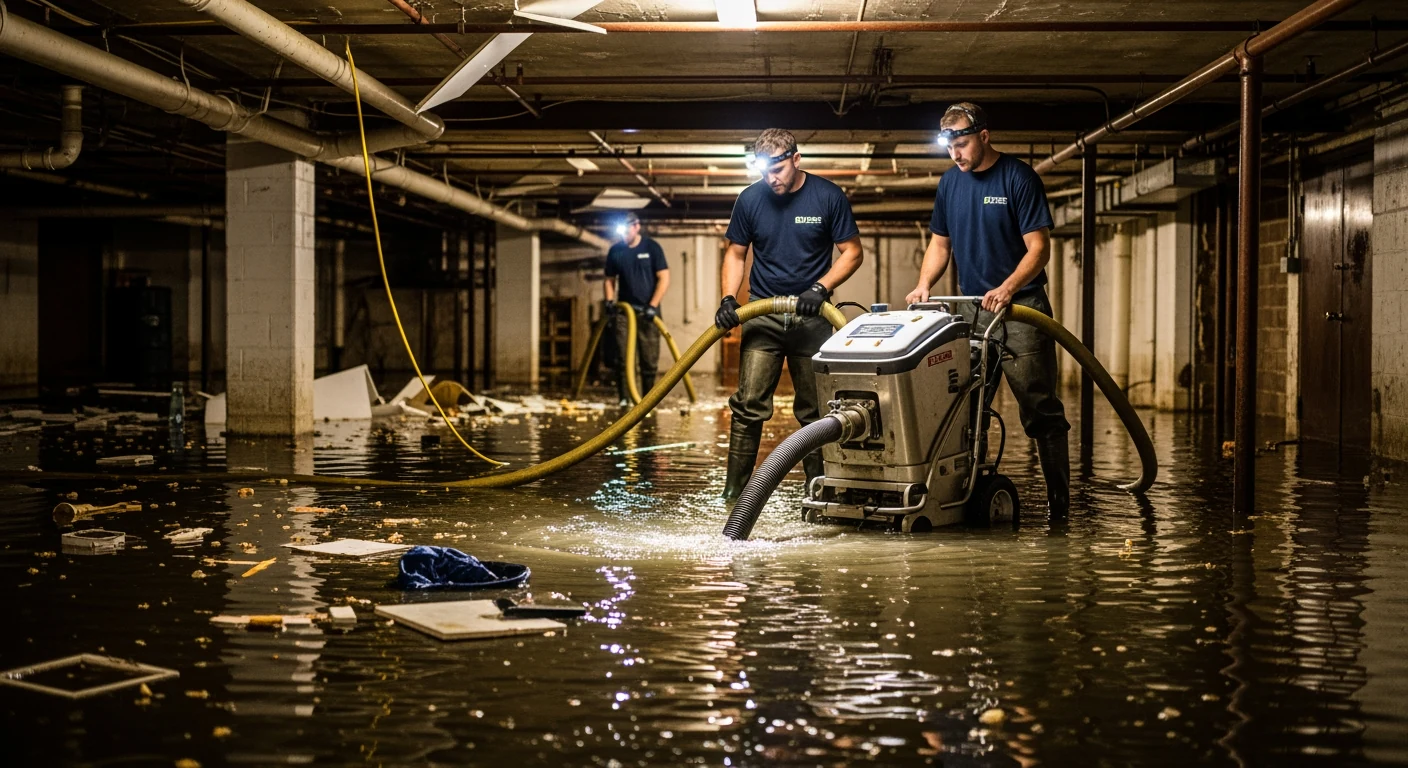
DIY water extraction often leaves hidden moisture trapped behind walls and under floors, leading to severe mold growth and structural rot within days. Professional removal utilizes commercial-grade extractors, dehumidifiers, and thermal imaging to ensure 100% moisture eradication.
Critical Takeaways
Technical Overview
DIY water extraction often leaves hidden moisture trapped behind walls and under floors, leading to severe mold growth and structural rot within days. Professional removal utilizes commercial-grade extractors, dehumidifiers, and thermal imaging to ensure 100% moisture eradication.
Technical Specifications & Comparison
| Feature | DIY Extraction | Professional Removal |
|---|---|---|
| Equipment | Shop Vacs, Household Fans | Weighted Extractors, LGR Dehumidifiers |
| Moisture Detection | Touch/Sight | Thermal Cameras, Penetrating Meters |
| Mold Risk | High | Low/Eliminated |
Frequently Asked Questions
Q: Can I just use a fan to dry a flooded room?
No, household fans simply blow wet air around. You need commercial dehumidifiers to pull moisture out of the air and materials.
Q: Will my insurance pay if I try to clean it myself?
Insurers often deny claims for secondary mold damage if the initial dry-out wasn’t performed to professional IICRC standards.
Related Reading
- Commercial Water Damage Extraction for NY Businesses
- Does Homeowners Insurance Cover Water Damage from Leaky Roofs?
- Commercial Property Emergency? Why Immediate Water Extraction is Crucial to Prevent Costly Damage