What Business Interruption Insurance Actually Covers
When a commercial property sustains water damage, the direct property damage is usually the focus of the immediate response. But for Long Island businesses, the financial impact often extends far beyond drying equipment and drywall. It includes lost revenue during the closure, extra expenses incurred to maintain operations, and sometimes the costs of temporary relocation. Business interruption insurance is where most commercial policyholders leave significant money on the table because they do not document the loss correctly from the start.
The Three Components of a Commercial Water Damage Claim
Direct Property Damage
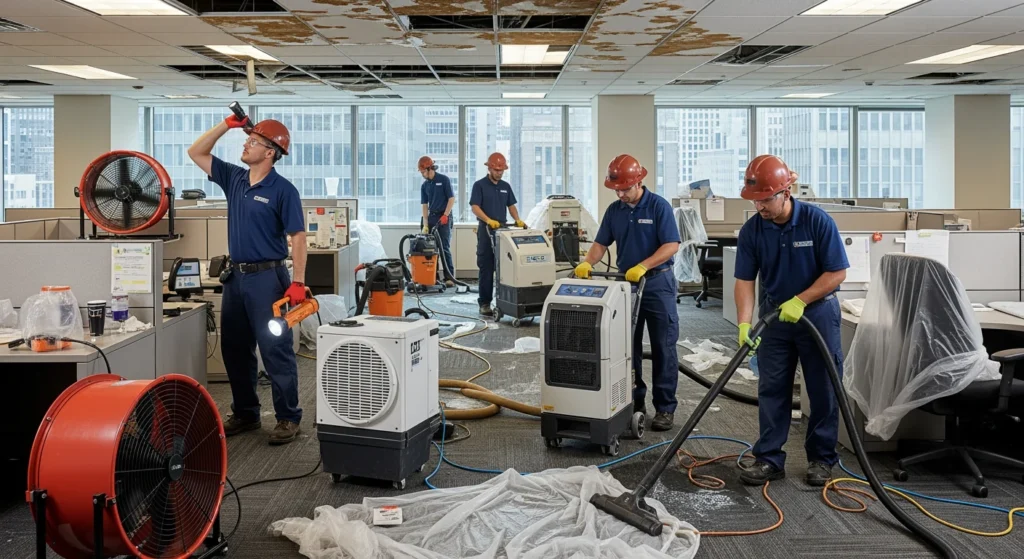
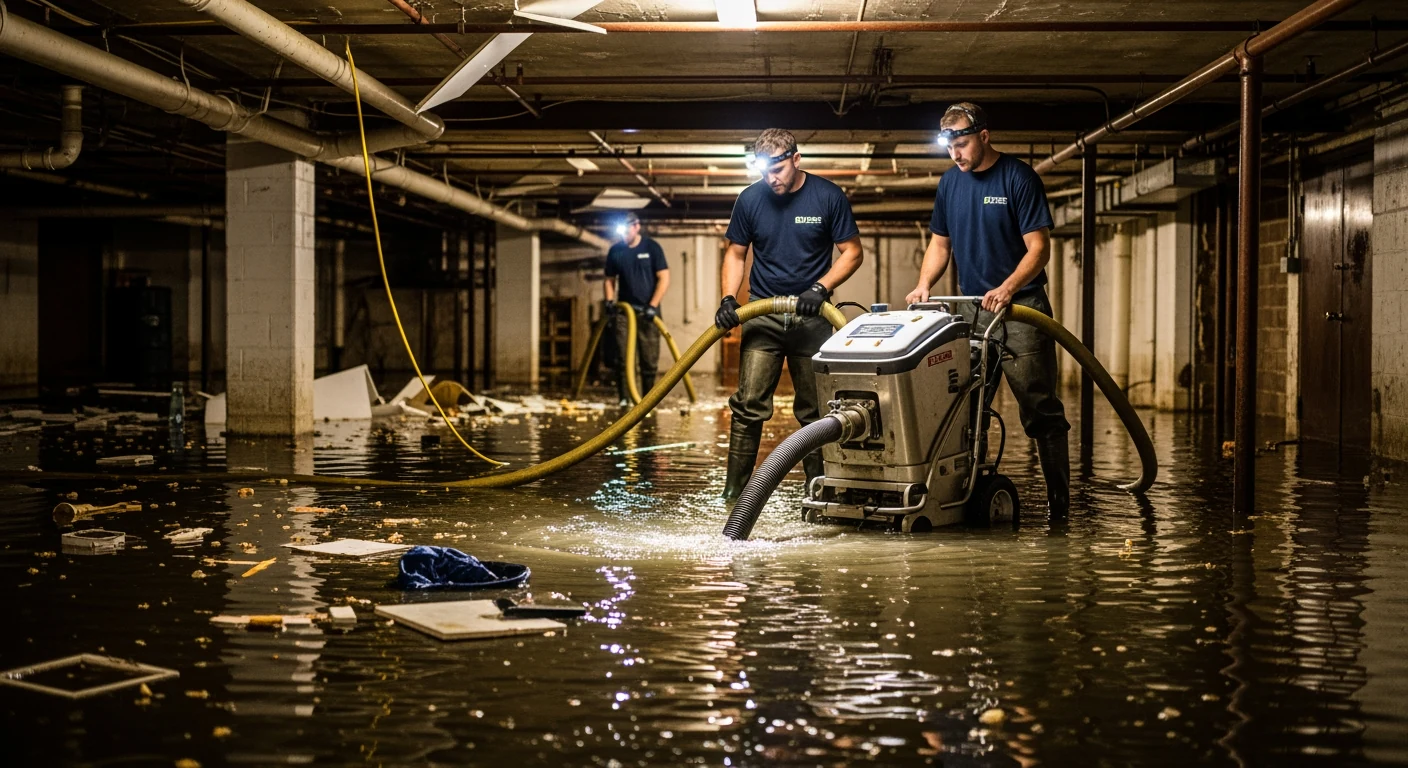
The physical damage to the building, equipment, inventory, and fixtures covered under the commercial property section of your policy. Documentation includes the restoration contractor scope of work, Xactimate estimate, equipment logs, and daily monitoring reports.
Business Interruption and Loss of Income
Covers lost net income and continuing fixed expenses during the period the business cannot operate at full capacity due to the covered loss. The BI coverage period typically runs from the date of loss to the date the property is restored to pre-loss condition or the policy maximum indemnity period, whichever comes first. Documentation requires financial statements, payroll records, lease agreements, utility invoices, and a written analysis of what was actually lost versus ongoing fixed costs.
Extra Expense
Covers additional costs incurred to minimize the business interruption including temporary relocation expenses, equipment rental, expedited repair costs, and additional staffing. Every extra cost incurred specifically because of the water loss should be tracked with receipts from day one.
Documentation That Drives Maximum Recovery
Day 1 Through 3 Immediate Documentation
- Photograph and video all damage before remediation begins
- Document the date and time of discovery and all mitigation actions taken
- Record which areas of the business are inaccessible and why
- Note all employees affected, hours lost, and emergency labor costs
- Retain all receipts for emergency expenses
Ongoing Financial and Operational Records
- Pull 12-24 months of pre-loss revenue records for comparison
- Document each day the business is fully or partially closed with supporting photos
- Track all extra expenses in a dedicated ledger with receipts
- Keep copies of all communications with your insurance carrier and adjuster
Working with Your Insurance Adjuster
Commercial claims are handled differently from residential. The insurer may assign an independent adjusting firm or forensic accountant to scrutinize the BI calculation. You can hire a public adjuster to represent your interests typically charging 10-15% of the claim settlement. Provide documentation proactively. Challenge ACV depreciation on business personal property. Understand your waiting period as many BI policies have a 72-hour waiting period before coverage begins.
Common Mistakes That Reduce Commercial Claims
- Failing to document the business impact separately from property damage
- Not tracking extra expenses from day one
- Using financial records that do not account for seasonal revenue patterns
- Allowing walls to be closed before all drying documentation is complete
- Settling the property claim before the full scope of BI losses is established
FAQ
How is business interruption calculated for an insurance claim?
BI is calculated as lost net income plus continuing necessary operating expenses. The insurer compares your actual performance during the loss period to a benchmark period from prior years adjusted for trends. Have your financial records organized to support your numbers.
What is the waiting period for business interruption insurance?
Most commercial BI policies have a 72-hour waiting period before coverage begins. Document the timing of the loss and business impact with precision around this 72-hour threshold.
Can I hire my own adjuster for a commercial water damage claim in New York?
Yes. Licensed public adjusters in New York can represent commercial policyholders and typically charge 10-15% of the final settlement. For large commercial losses a public adjuster often achieves significantly higher recoveries than unrepresented policyholders.
Upper Restoration Commercial Water Damage Response
Upper Restoration responds to commercial water losses across Nassau County, Suffolk County, and NYC with certified mitigation crews, complete drying documentation, and Xactimate estimates prepared in the format insurance carriers expect. Contact us for a commercial loss assessment.