Identifying Asbestos Risks in Historic Brooklyn Architecture
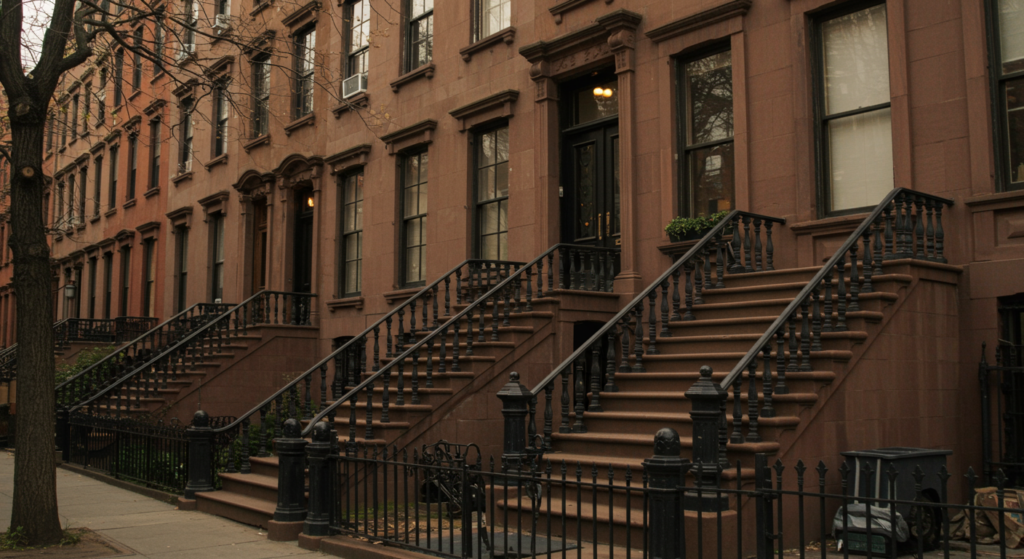
Owning a Brooklyn brownstone involves a unique set of responsibilities, particularly when modernizing structural elements that have remained untouched for over a century. Whether you are renovating a kitchen in Park Slope or converting a multi-family unit in Bedford-Stuyvesant, brooklyn brownstone asbestos removal is a frequent and necessary step in the construction process. Asbestos was a staple of New York City construction from the late 19th century through the mid-1970s, prized for its fire-resistant properties and durability. In the context of a brownstone, these materials are often found in areas where they are most likely to be disturbed during a standard renovation.
The most common locations for asbestos in 19th-century and early 20th-century Brooklyn homes include:
- Pipe Insulation (Magnesia or Air Cell): Often found in basements wrapping steam lines. This “chalky” white or gray wrap is highly friable, meaning it can easily be crushed into a powder, releasing fibers into the air.
- Plaster Walls and Ceilings: While horsehair was the traditional binder, many renovation cycles in the mid-1900s introduced asbestos-reinforced plaster for added fireproofing.
- Vinyl Floor Tiles: Specifically the 9-inch by 9-inch tiles commonly found in garden-level apartments or basement utility rooms. The adhesive (black mastic) used to secure these tiles also frequently contains asbestos.
- Brownstone Vermiculite: Often used as pour-in insulation in attic joists or behind masonry walls. If the vermiculite originated from the Libby mine (Zonolite), it likely contains tremolite asbestos.
- Transite Siding and Flues: Frequently found in rear extensions or chimney liners added during the mid-century.
Upper Restoration frequently encounters these materials during the initial assessment phase of brownstone renovation asbestos projects. Because Brooklyn brownstones often feature shared walls and complex chimney flues, the presence of asbestos in one unit can potentially impact neighboring properties if not managed according to IICRC S520 standards and local DEP regulations.
NYC DEP Compliance and the ACP-5 Process
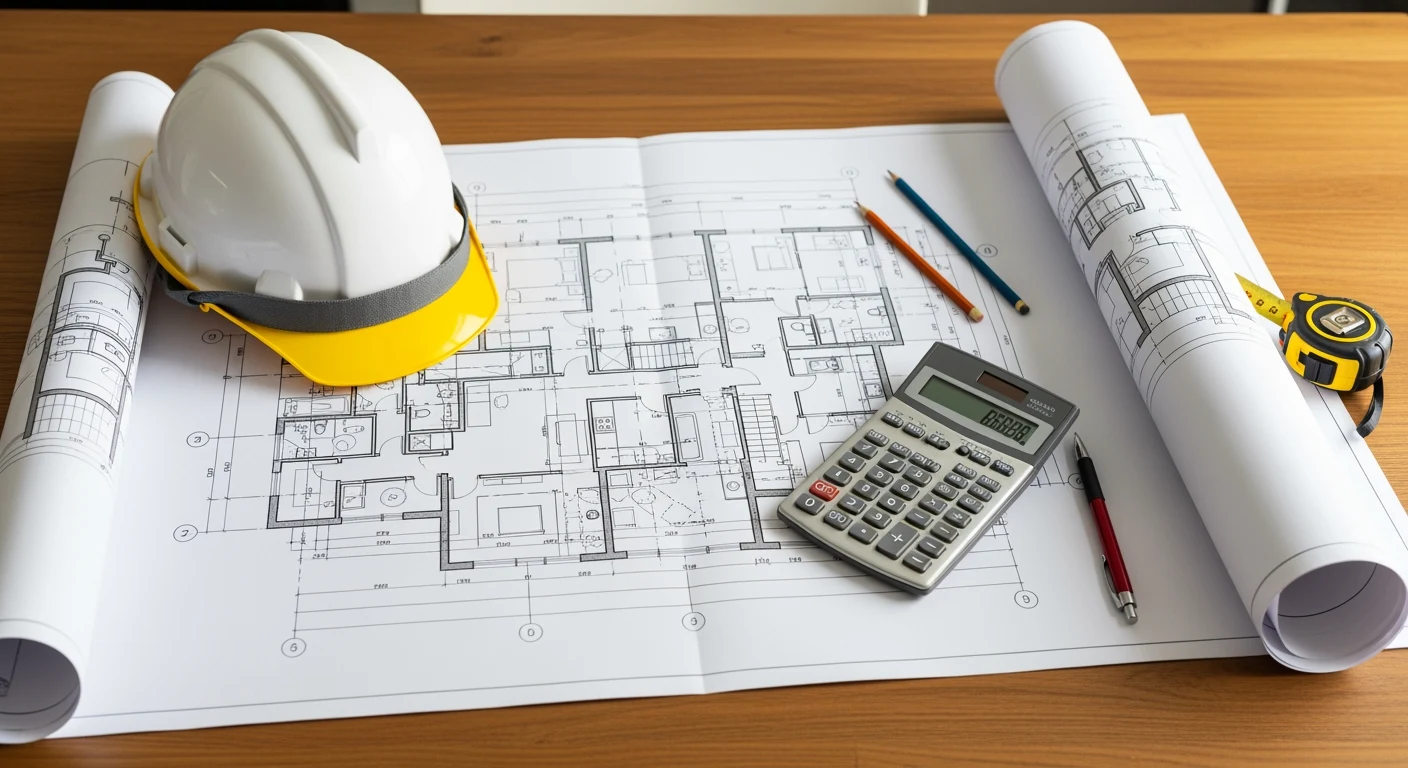
The New York City Department of Environmental Protection (DEP) maintains strict oversight of all asbestos-related activities. For any renovation in Brooklyn that involves more than a minimal amount of material disturbance, the Department of Buildings (DOB) will not issue a work permit without a DEP-approved filing. This is where brooklyn renovation compliance becomes critical for the project timeline. The process typically begins with an asbestos survey conducted by a certified Asbestos Investigator.
Understanding the ACP-5 Filing
The ACP-5 (Asbestos Assessment Report) is the standard document used to certify that a project is either “asbestos-free” or that the amount of asbestos present is below the threshold that requires a formal abatement project (less than 10 linear feet or 25 square feet). If an investigator finds asbestos that must be removed to facilitate your renovation, a different set of filings, such as the ACP-7 (Asbestos Project Notification), becomes necessary. The brooklyn dep asbestos guidelines require that any material suspected of containing asbestos be sampled and analyzed in a New York State Department of Health (DOH) ELAP-certified laboratory.
Failure to secure an ACP-5 before starting demolition can lead to significant stop-work orders and fines that often exceed the cost of the abatement itself. At Upper Restoration, we coordinate closely with licensed investigators to ensure that the brooklyn renovation compliance paperwork is handled before a single hammer is swung. This proactive approach prevents the common “emergency” scenarios where a contractor discovers suspicious pipe wrap mid-demolition, leading to a contaminated job site and immediate DEP intervention.
The Technical Realities of Brownstone Vermiculite and Pipe Wrap
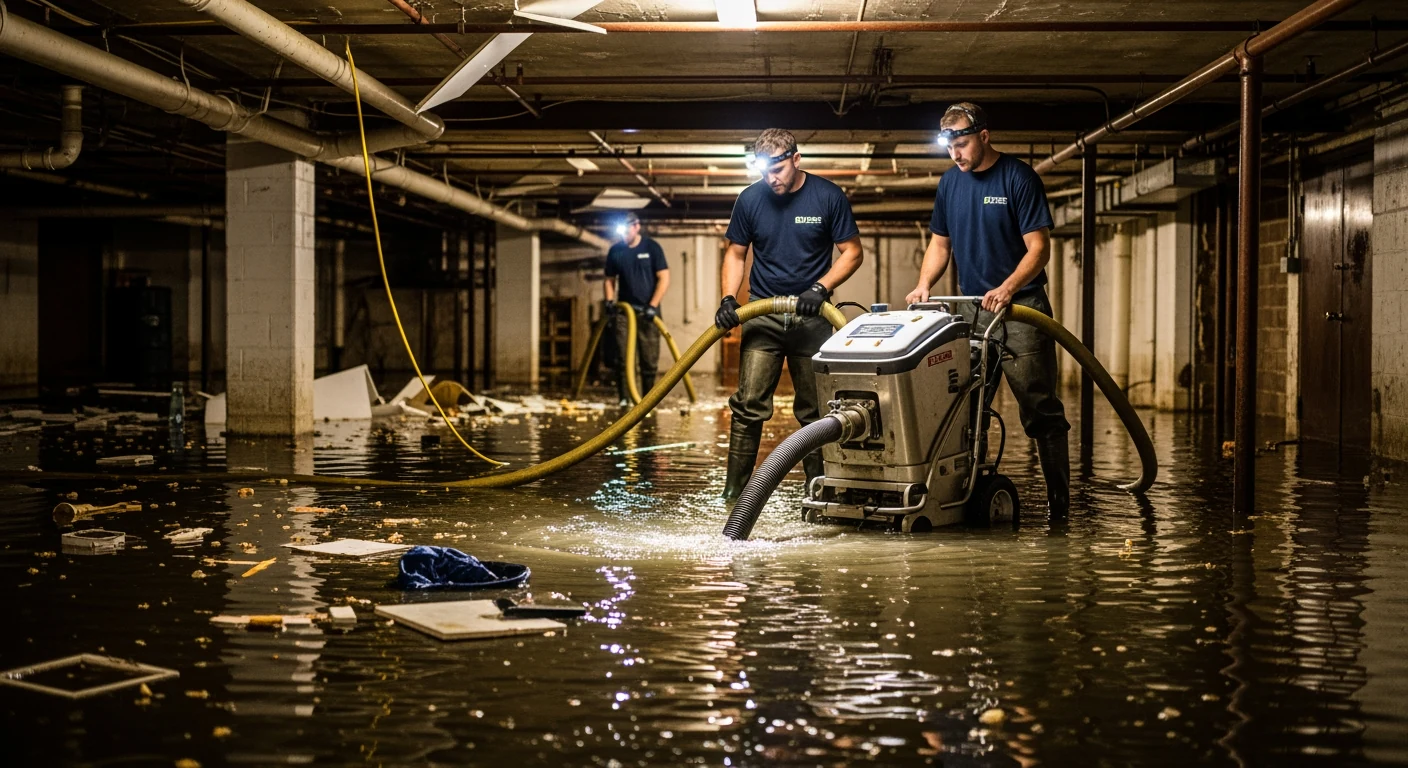
In the narrow confines of a Brooklyn brownstone basement, asbestos pipe insulation is often the primary concern. Steam heating systems, central to the charm of these historic buildings, rely on large-diameter pipes that were almost universally wrapped in magnesia or corrugated paper (air cell) insulation. Over decades, this material can degrade, becoming “friable” and settling as dust on basement floors and storage items.
Brownstone vermiculite insulation presents a different challenge. Because it is a loose-fill material, it can migrate through wall cavities and floor joists. If a homeowner decides to install recessed lighting or update electrical wiring, they risk disturbing this insulation and dropping asbestos fibers into the living space. Upper Restoration follows specific containment protocols when dealing with vermiculite, often involving high-capacity HEPA filtration and negative air pressure to ensure that fibers do not migrate from the attic or wall cavities into the rest of the home.
“Asbestos management in Brooklyn isn’t just about removal; it’s about the containment of the historical footprint of the building. In a brownstone, you are working in a vertical chimney-like environment where air travels quickly from the cellar to the top floor.” — Upper Restoration Technical Lead.
Financial Breakdown: Brooklyn Brownstone Asbestos Removal Costs
Budgeting for brooklyn brownstone asbestos removal requires an understanding of the scope and the labor-intensive nature of NYC-compliant work. Costs are influenced by the accessibility of the material, the amount of containment required, and the disposal fees at specialized landfills. While every property is unique, we can provide general ranges based on current Brooklyn market data.
- Pipe Abatement: For a standard brownstone basement with 50 to 100 linear feet of steam pipe wrap, costs typically range from $2,500 to $5,500. This includes the setup of a regulated work area, the removal of the material using “glove-bag” or full-containment methods, and third-party air monitoring.
- Vinyl Tile and Mastic Removal: Removing 500 square feet of 9×9 tiles and the underlying black mastic adhesive generally costs between $3,500 and $7,000. The use of chemical strippers for the mastic adds to the labor and material costs.
- Vermiculite Remediation: Because vermiculite involves heavy labor in cramped attic spaces, costs can vary widely. A typical brownstone attic may cost between $6,000 and $12,000 depending on the depth of the insulation and the difficulty of the vacuum extraction process.
- Plaster Removal: If asbestos-containing plaster must be removed from an entire floor (approx. 1,000 sq. ft.), homeowners should budget $8,000 to $15,000.
It is important to note that brownstone renovation asbestos costs are rarely covered by standard homeowners’ insurance policies. Most policies contain a specific “asbestos exclusion” clause. However, if the asbestos material is disturbed as a result of a covered peril—such as a burst pipe that saturates asbestos insulation—there may be a path for a limited “debris removal” claim. Upper Restoration works with property owners to provide the detailed documentation and line-item estimates required by adjusters in these specific cases.
Professional Abatement Procedures and Safety Standards
When Upper Restoration performs brooklyn brownstone asbestos removal, we adhere to the strict requirements of NYC Department of Environmental Protection Article 32 and NYS Department of Labor Industrial Code Rule 56. The process is designed to be surgically precise, minimizing the impact on the non-renovated areas of the home.
The standard workflow for a professional abatement project includes:
- Containment Setup: We construct “critical barriers” using 6-mil fire-retardant poly sheeting over all doors, windows, and vents. A multi-stage decontamination shower is installed for worker entry and exit.
- Negative Pressure: Large HEPA-filtered air machines are used to create negative pressure within the work zone. This ensures that any air leaking into the area stays inside, and only purified air is exhausted to the exterior of the building.
- Wet Removal Methods: Materials are saturated with amended water (a wetting agent) to prevent fibers from becoming airborne during removal.
- Double-Bagging and Labeling: Waste is placed in 6-mil bags, sealed, and then placed into a second bag before being moved through the decontamination unit to a locked trailer or dumpster.
- Third-Party Air Clearance: After cleaning, an independent laboratory must perform air sampling to verify that the fiber counts are below the DEP threshold of 0.01 fibers per cubic centimeter (f/cc) before the containment can be dismantled.
This rigorous process is the only way to ensure brooklyn renovation compliance and protect the health of the family moving back into the property. DIY removal is not only illegal in NYC for residential properties but also highly dangerous, as it lacks the specialized equipment to catch the microscopic fibers that cause long-term health issues like mesothelioma or asbestosis.
Frequently Asked Questions About Brownstone Asbestos
Does every renovation require an asbestos survey?
In New York City, yes. If you are applying for a DOB permit for any work other than minor cosmetic repairs (like painting or floor sanding), you must have an ACP-5 report from a licensed investigator. This is a non-negotiable part of brooklyn dep asbestos compliance.
Can I just cover the asbestos tiles with new hardwood flooring?
While “encapsulation” is a recognized strategy, it is often a temporary fix. If you plan on a full brownstone renovation asbestos project later, the underlying tiles will still need to be addressed. Furthermore, New York City requires that any asbestos that *will* be disturbed by renovation must be removed prior to that renovation starting. Covering it only delays the inevitable cost.
How long does the average abatement take?
A typical basement pipe abatement in a Brooklyn Heights brownstone takes 3 to 5 business days. This includes one day for setup, one to two days for removal, and 24 hours for the final air clearance results to be processed by the lab.
Is vermiculite always asbestos-containing?
While not 100% of vermiculite contains asbestos, the vast majority of it found in NYC homes originated from the Libby mine and is presumed to be contaminated. Brownstone vermiculite should always be tested by a professional before any attic work is performed.
Talk to Upper Restoration
Navigating the complexities of NYC DEP regulations while trying to maintain the schedule of a brownstone renovation can be a daunting task. Upper Restoration provides the technical expertise and the regulatory knowledge to handle brooklyn brownstone asbestos removal efficiently. We prioritize clear communication, ensuring that homeowners understand the cost, the timeline, and the safety measures being taken at every step.
If you are planning a renovation or have discovered suspicious materials in your Brooklyn property, contact us for a professional assessment. Our team will help you achieve brooklyn renovation compliance, allowing your project to move forward safely and according to New York City standards.