Black Mold vs Regular Mold: How to Tell the Difference
When homeowners discover black mold vs regular mold, confusion reigns. Is the dark-looking mold in your bathroom black mold? Should you panic? What’s the real difference? The truth is that black mold is not necessarily more dangerous than other mold types based on color alone—but context, species identification, and quantity matter enormously. This guide will help you distinguish between black mold and common household mold, understand the real risks, and know when professional remediation is necessary.
According to the CDC, mold is present everywhere in outdoor environments and small amounts of mold are normal indoors. However, excessive mold growth—whether black or green—poses health risks and indicates moisture problems requiring immediate attention. Understanding what you’re dealing with is the first step toward effective remediation.
Understanding Mold Classifications
Before comparing black mold to other mold types, it’s important to understand that mold identification goes far beyond color. Professionals classify mold by:
- Toxigenic potential: Some species produce mycotoxins (harmful compounds)
- Allergenic properties: Most molds trigger allergic responses in sensitive individuals
- Growth requirements: Temperature, humidity, and substrate preferences vary by species
- Health impact: Varies based on mold type, concentration, and individual health factors
Color alone doesn’t determine danger level or species identity. Many common, non-toxic molds appear black. Conversely, some toxic molds appear green, white, or orange.
Black Mold: Stachybotrys Chartarum
Visual Identification
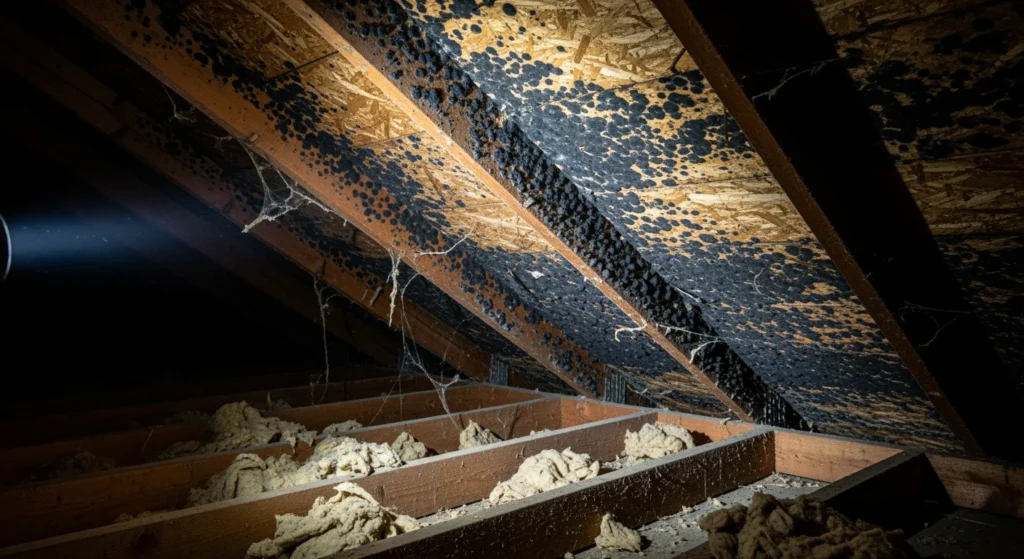
True black mold (Stachybotrys chartarum) typically appears as:
- Dark black or dark greenish-black color
- Slimy or wet-looking texture (not powdery)
- Usually grows in clusters or patches rather than individual spots
- Often found on surfaces that have been wet for extended periods (7+ days)
- Grows on cellulose-rich materials: wood, drywall, carpet backing, plant material
- Produces a distinctly musty, earthy odor when present in quantity
However, appearance alone is not sufficient for identification. Many black mold-like fungi exist, and laboratory testing is the only definitive way to confirm Stachybotrys presence.
Growth Conditions
Stachybotrys chartarum requires specific conditions:
- Moisture: Extremely moisture-dependent; thrives in wet conditions
- Temperature: Prefers cool environments (50-80°F)
- Duration: Requires sustained moisture over days or weeks to establish
- Substrate: Prefers wood, drywall, and other cellulose-rich materials
This is why Stachybotrys commonly appears in homes following water damage events where moisture isn’t properly dried. It’s a sign of a serious moisture problem that went unaddressed for an extended period.
Health Effects
Stachybotrys produces mycotoxins (particularly satratoxins) that can trigger:
- Respiratory symptoms: coughing, wheezing, shortness of breath
- Allergic reactions: sneezing, nasal congestion, rashes
- Asthma exacerbation in people with existing asthma
- In immunocompromised individuals: more severe respiratory infections
However, research shows these effects are not substantially different from other common mold types. The concern with Stachybotrys is its strong toxigenic potential and the moisture problems its presence indicates.
Common Household Molds That Look Black
Cladosporium
Appearance: Black or dark green, powdery texture, often appears as small spots or clusters
Common locations: Bathrooms, kitchens, basements, around windows and door frames
Growth timeline: Establishes quickly; can grow in drier conditions than Stachybotrys
Health risk: Allergenic but generally less concerning than highly toxigenic species; common outdoor allergen brought inside
Aspergillus Molds
Appearance: Some species appear black or dark brown; often powdery; some appear green or white depending on species
Common locations: HVAC systems, insulation, air vents; thrives in any moist area
Growth timeline: Grows in varying conditions; some species tolerate drier environments
Health risk: Generally allergenic; some Aspergillus species (A. fumigatus) can cause serious respiratory infections in immunocompromised individuals
Penicillium
Appearance: Often appears blue-green or black depending on species; typically powdery; commonly mistaken for Stachybotrys
Common locations: Basements, around plumbing leaks, in insulation, under flooring
Growth timeline: Grows in moist conditions; more tolerant of lower moisture than some species
Health risk: Allergenic; some species produce toxins; generally considered less concerning than toxigenic Stachybotrys
Key Differences: Black Mold vs Regular Mold
| Factor | Stachybotrys (Black Mold) | Other Common Molds |
|---|---|---|
| Color | Dark black/greenish-black | Black, green, white, orange, yellow |
| Texture | Slimy, wet-looking | Powdery, grainy, or slimy (varies by type) |
| Growth Speed | Moderate; requires sustained moisture | Varies; some grow quickly in damp areas |
| Moisture Need | Extremely high; needs 7+ days wet conditions | Varies; some thrive in moderate humidity |
| Preferred Substrate | Cellulose-rich (wood, drywall, carpet) | Varies by species; many grow on any surface |
| Toxigenic? | Yes; produces mycotoxins | Some species yes; many are allergenic only |
| Odor | Strong musty smell when in quantity | Musty to subtle depending on amount |
Testing Methods: How to Identify Mold Species
Visual Inspection
Visual inspection alone cannot definitively identify mold species. While Stachybotrys has characteristic appearance (black, slimy, in clusters on cellulose), many other molds look similar enough to cause misidentification.
Lab Testing Options
Air sampling: Collects spores from indoor air; indicates what mold types are present indoors and in what concentrations
Surface swabs: Direct sampling from visible mold; identifies specific mold species on that surface
Tape lifts: Tape is pressed against mold growth, then analyzed under microscope
Bulk samples: Pieces of affected material (drywall, carpet backing) are sent for analysis
Professional mold assessment companies conduct these tests. Costs typically range from $300-$800 for comprehensive testing. However, the important point is that any significant mold growth—whether Stachybotrys or other species—indicates moisture problems requiring remediation.
Common Misconceptions About Black Mold
“All Black Mold is Stachybotrys”
False. Many mold species appear black or dark. Without laboratory testing, you cannot definitively identify mold type from appearance alone. Professional assessment is necessary for accurate identification.
“Black Mold is Instantly Lethal”
False. While Stachybotrys produces mycotoxins and poses health risks, particularly to those with respiratory conditions or compromised immune systems, it’s not instantly lethal. However, extensive exposure in individuals with sensitivities can cause significant respiratory problems.
“Only Black Mold Produces Mycotoxins”
False. Many mold species produce mycotoxins. Color is not an indicator of toxin production. Penicillium species, Aspergillus, Fusarium, and others produce various mycotoxins.
“If Mold is White or Green, It’s Not Dangerous”
False. While many white and green molds are common and less concerning, some species in these colors are highly toxigenic. Any significant mold growth warrants attention, regardless of color.
“You Can Identify Mold Species by Looking at It”
False. Mold identification requires microscopic examination and sometimes DNA analysis. Visual inspection can suggest what species might be present, but laboratory testing confirms identity.
Health Symptoms: Mold Exposure Comparison
Stachybotrys Exposure Symptoms
- Respiratory: Persistent cough, wheezing, shortness of breath
- Allergic: Sneezing, nasal congestion, sinus headaches
- Dermatological: Rashes on exposed skin areas
- General: Fatigue, eye irritation, sore throat
- In susceptible individuals: Asthma attacks, severe respiratory infections
Other Common Mold Exposure Symptoms
- Respiratory: Similar to Stachybotrys; coughing, wheezing, dyspnea
- Allergic: Sneezing, congestion, rashes—particularly with Cladosporium and Penicillium
- Asthma: Exacerbation in those with existing asthma
- General: Fatigue, eye irritation, general malaise
The key point: Health symptoms from mold exposure are largely similar across species. The difference is that toxigenic species like Stachybotrys can cause more severe symptoms in sensitive individuals, but any significant mold growth can trigger health issues.
When Professional Assessment is Necessary
You should have professionals assess your mold if:
- You see visible mold growth: Any significant mold warrants professional evaluation and remediation planning
- You’re concerned it might be black mold: Professional testing can definitively identify species
- You’ve had recent water damage: Even if you don’t see mold yet, moisture in walls requires professional drying and assessment
- Family members have respiratory symptoms: Testing can identify if mold is contributing factor
- Mold keeps returning: Persistent mold indicates unresolved moisture problems requiring professional diagnosis
- The affected area is large (>10 square feet): EPA recommends professional remediation for extensive mold
- Mold is in HVAC system or walls: Professional equipment is necessary for complete remediation
Remediation: Does Species Matter?
From a remediation perspective, the distinction between black mold and other molds is less important than the fact that any significant mold growth indicates moisture problems requiring professional water damage restoration.
Professional remediation typically involves:
- Moisture source identification: Finding and stopping the water entry causing mold growth
- Affected material removal: Removing porous materials like drywall, carpet, and insulation that contain extensive mold
- HEPA vacuuming and cleaning: Professional cleaning of surfaces; HEPA filtration prevents spore dispersal
- Structural drying: Complete drying of remaining materials using professional equipment
- Verification: Post-remediation testing confirms mold levels return to normal indoor ranges
- Prevention: Moisture control measures prevent recurrence
Whether the mold is Stachybotrys, Cladosporium, or other species, these steps remain the same.
Frequently Asked Questions
Can I scrub away black mold myself?
Surface cleaning might remove visible mold, but it doesn’t address the moisture problem allowing mold to grow. Scrubbing also disperses spores throughout your home. Professional remediation includes finding and fixing moisture sources, not just cleaning visible mold.
Is black mold always black in color?
Stachybotrys chartarum typically appears dark black or dark greenish-black, but color alone doesn’t confirm identity. Professional testing is necessary for definitive identification.
How do I know if mold is growing inside my walls?
Signs include musty odors, visible discoloration on wall surfaces, soft drywall, water stains, or peeling paint. If you suspect wall mold, professional moisture detection and inspection are necessary.
Will insurance cover black mold remediation?
Coverage depends on mold cause. If mold resulted from a covered water event (burst pipes, storms), remediation is typically covered. If it resulted from poor maintenance or gradual leaks, it may not be covered. Review your policy and contact your insurer.
How long does it take for black mold to grow?
Stachybotrys requires sustained moisture over 7+ days to establish. Other mold species can appear within 24-48 hours in very damp conditions. This is why quick water damage response is critical.
Can I paint over black mold to cover it?
Painting over mold is ineffective and dangerous. Mold continues growing under paint, and spores remain active. Only remediation addressing moisture and removing affected materials stops mold growth.
Is all black mold toxic?
Stachybotrys produces mycotoxins, but toxin exposure levels depend on mold concentration, spore dispersal, and individual sensitivity. Even high concentrations may not cause severe effects in healthy individuals, though respiratory symptoms are common.
Conclusion: The Real Concern Isn’t Color—It’s Moisture
The comparison between black mold vs regular mold matters less than understanding that any significant mold growth indicates moisture problems requiring professional attention. While Stachybotrys chartarum has genuine toxigenic properties and warrants concern, many other mold species pose equal or greater health risks to certain individuals.
Color is a poor indicator of danger. Professional assessment—not internet research—is the way to determine what you’re dealing with and how to address it properly.
If you’ve discovered mold growth in your Long Island, NYC, or tri-state area home—whether it looks black, green, white, or orange—professional evaluation is your first step. Upper Restoration provides comprehensive mold assessment and remediation services, including laboratory testing to definitively identify mold species and professional remediation to eliminate the moisture problems allowing mold to thrive.
Upper Restoration offers 24/7 emergency mold remediation services throughout Long Island, all five boroughs of NYC, and the surrounding tri-state area. Our IICRC-certified team uses advanced testing and drying equipment to address mold and its underlying moisture causes completely.
Contact us today for professional mold assessment. Call now or visit upperrestoration.com to schedule your inspection and learn about our emergency mold remediation services.
About Upper Restoration
Upper Restoration is a full-service property restoration company serving New York City and Long Island. Licensed by the NYC Department of Labor for mold remediation and the NYC Department of Environmental Protection for asbestos abatement, Upper Restoration provides 24/7 emergency response for water damage, fire damage, mold contamination, asbestos hazards, and storm damage. Our IICRC-certified technicians serve all five NYC boroughs — Manhattan, Brooklyn, Queens, the Bronx, and Staten Island — as well as Nassau County and Suffolk County communities across Long Island.