Biohazard remediation is among the most technically demanding and emotionally sensitive services in the restoration industry. In New York City, where population density creates unique incident patterns and regulatory oversight is extensive, biohazard cleanup NYC requires licensed professionals, specialized equipment, and a disciplined protocol that protects both the remediation team and the property’s future occupants.
What Constitutes a Biohazard Event in NYC Properties
The term biohazard in a restoration context refers to any contamination involving blood-borne pathogens, human remains, bodily fluids, or materials that harbor infectious agents. In New York City, the most common biohazard remediation scenarios include unattended death cleanup, crime scene and trauma cleanup, hoarding remediation, and infectious disease decontamination.
Unattended death cleanup: When a death occurs and is not discovered for hours, days, or weeks, decomposition creates extensive contamination requiring full decontamination of affected surfaces, HVAC systems, and in some cases structural components. In NYC’s high-density housing stock, unattended deaths in apartments often affect adjacent units through shared wall cavities, ventilation systems, and plumbing chases.
Crime scene and trauma cleanup: Following violent crimes or traumatic accidents, law enforcement completes its forensic work and releases the scene. Cleaning and decontamination — entirely the responsibility of the property owner, not the NYPD or any city agency — must follow OSHA 29 CFR 1910.1030 bloodborne pathogen standards. Upper Restoration’s technicians are trained and certified to these standards and coordinate directly with NYPD detectives for scene release procedures.
Hoarding remediation: Severe hoarding conditions create properties containing accumulated biological hazards including rodent and insect infestation, human and animal waste, decomposing organic material, and mold colonization throughout the structure. NYC hoarding remediation is complicated by the potential involvement of Adult Protective Services (APS), court orders for access, and coordination with the occupant’s clinical support team.
Regulatory Framework for NYC Biohazard Cleanup
OSHA 29 CFR 1910.1030 mandates that all workers with occupational exposure to blood or other potentially infectious materials receive annual training, appropriate PPE, and be offered hepatitis B vaccination. Biohazardous waste generated during remediation is classified as regulated medical waste and must be containerized, labeled, and transported by a licensed medical waste hauler under DSNY and NYSDEC regulations — it cannot enter standard municipal waste streams. For incidents involving communicable disease, the NYC DOHMH may issue specific decontamination directives under NYC Health Code §11.03.
The Remediation Process: From Scene Release to Clearance
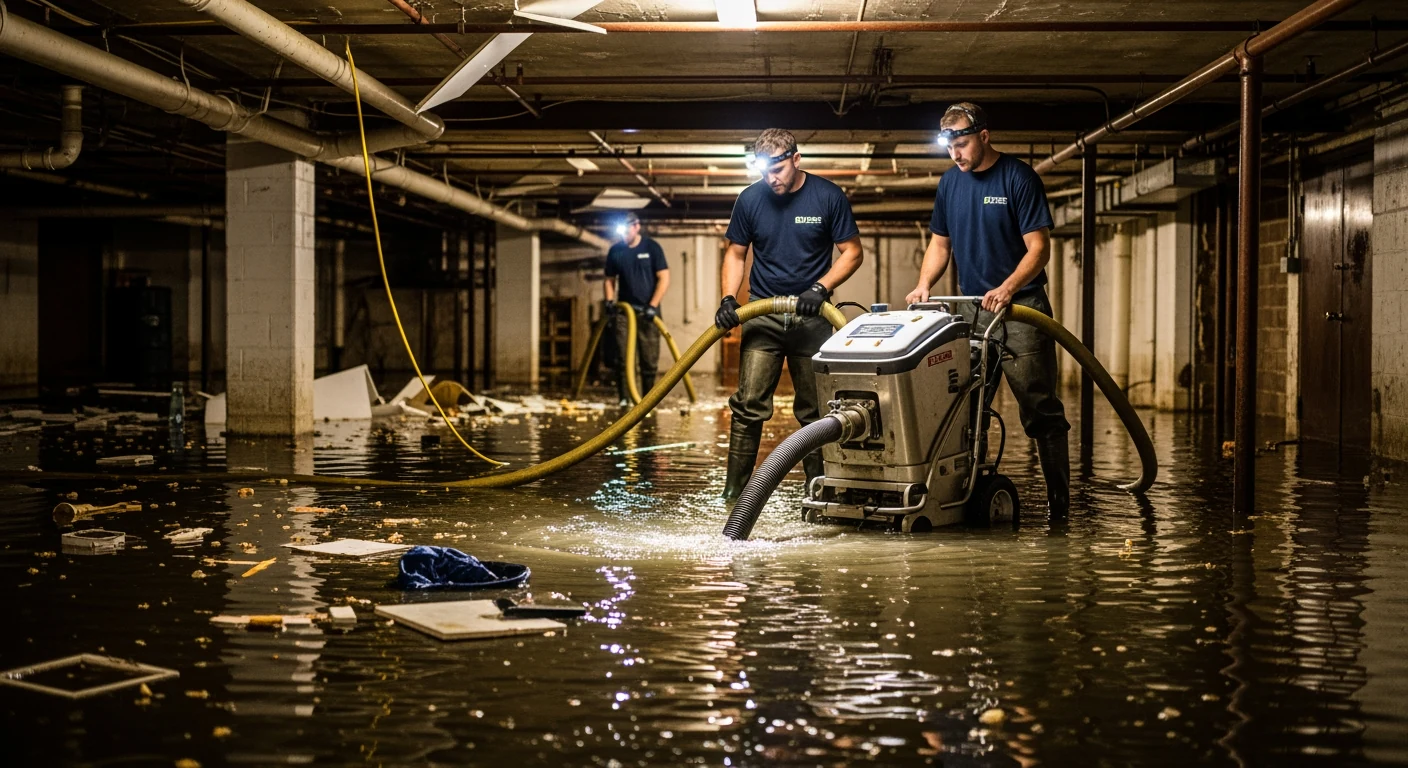
Upper Restoration’s biohazard remediation protocol follows a structured sequence. The project manager first establishes negative air pressure containment using HEPA-filtered air scrubbers, isolating the affected area from the rest of the structure. PPE per OSHA 1910.1030 is donned before entry. Porous materials contaminated with biological agents — carpeting, drywall, insulation, subfloor components — are removed and containerized as regulated medical waste. All remaining surfaces are treated with EPA-registered hospital-grade disinfectants. Persistent malodor is addressed using thermal fogging, hydroxyl generation, or ozone treatment depending on materials and occupancy status. All projects close with written documentation including before-and-after photographs, waste manifests from the licensed medical waste hauler, and third-party clearance testing.
Sensitivity and Discretion in NYC Biohazard Response
Upper Restoration’s biohazard response team is trained in trauma-informed communication alongside technical remediation. We coordinate directly with property owners, estate representatives, building management, or family members with discretion and without judgment. In NYC apartment buildings, we work within the building’s protocols for service elevator access, working hours, and resident communication. Our vehicles and equipment are unmarked to protect the privacy of the property and its occupants.
Frequently Asked Questions
Who is responsible for biohazard cleanup after a crime scene in NYC?
The NYPD Crime Scene Unit processes the scene for forensic evidence, but once the scene is released, all cleanup and decontamination is the responsibility of the property owner. The city provides no cleanup services. Contact a licensed biohazard remediation company immediately upon scene release.
Does homeowner’s or renter’s insurance cover biohazard cleanup in NYC?
Many policies include coverage for biohazard remediation under additional coverages provisions, though this varies significantly by insurer and policy. Upper Restoration will review your policy and work directly with your adjuster to document the loss and submit for coverage.
How long does biohazard cleanup take in a NYC apartment?
A typical apartment biohazard remediation takes 1 to 3 days for the active remediation phase. Full restoration including drywall, flooring, and painting adds additional time. Unattended death scenes with extensive decomposition may require longer timelines due to the need to treat building systems including HVAC and shared ventilation.
Is hoarding considered a biohazard?
Severe hoarding conditions frequently involve biohazardous materials including rodent and insect waste, mold, human and animal waste, and decomposing materials. Full biohazard protocols are required. Upper Restoration coordinates hoarding remediation with the occupant’s clinical support team, building management, and where necessary, NYC Adult Protective Services.