Biohazard Cleanup in Nassau County, NY: What You Need to Know in 2026
Biohazard cleanup in Nassau County encompasses a range of situations that require professional remediation beyond standard restoration: unattended deaths and trauma scenes, sewage backup contamination (Category 3 black water), hoarding conditions with biologically active contamination, and chemical or pathogen exposure events. What these situations share is the presence of infectious agents, pathogens, or hazardous biological material that require proper PPE, containment, EPA-registered disinfection, and compliant disposal — not household cleaning products and a mop.
Upper Restoration provides discreet, professional biohazard remediation services throughout Nassau County with compassionate response and technically certified technicians.
Types of Biohazard Cleanup in Nassau County
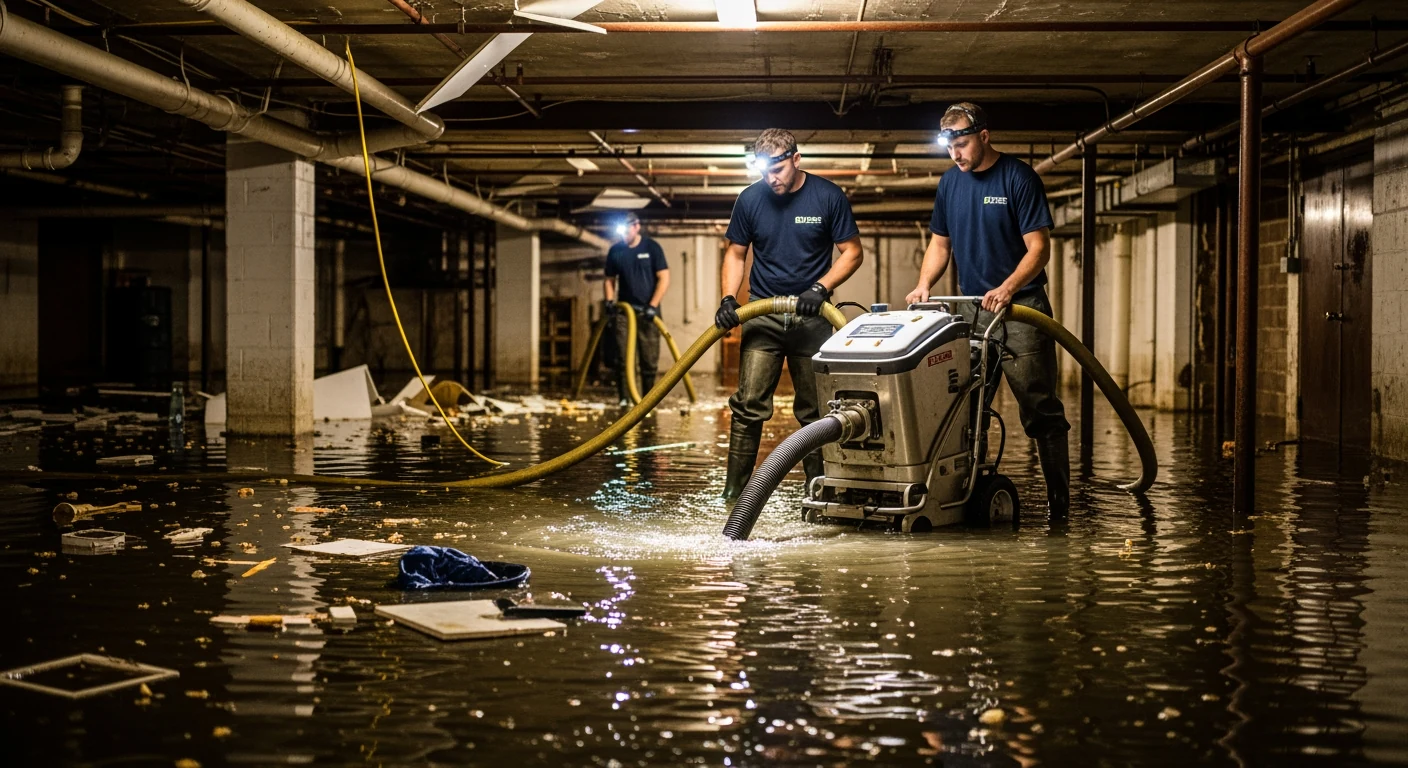
Sewage backup and Category 3 water contamination is the most frequent biohazard event in Nassau County’s residential and commercial properties. Sewage that backs up through floor drains or overflows from sanitary systems contains human waste, pathogens, and bacteria that pose immediate health risks. All porous materials that contacted Category 3 water — drywall, insulation, carpet, flooring — must be removed and properly disposed. Structural assemblies must be decontaminated with EPA-registered antimicrobials before drying and reconstruction. Most Nassau County homeowners insurance policies cover sudden and accidental sewage backup under the dwelling coverage; verify your policy’s sewage backup rider before assuming coverage.
Unattended death and trauma scene remediation requires technicians certified in bloodborne pathogen handling (OSHA BBP Standard, 29 CFR 1910.1030), full PPE including respirators, and approved disposal protocols for biohazardous waste. Nassau County law enforcement will release a scene after investigation; remediation of the structure is then the responsibility of the property owner. This is not work for general contractors — it requires specific biohazard training, proper waste disposal permits, and the discretion that affected families need.
Hoarding conditions with active biohazard — rodent infestation with droppings and urine, insect colonies, or human waste accumulation — require biohazard decontamination before contents removal and structural remediation can proceed. Nassau County properties with active infestations require pest control clearance followed by biohazard remediation before any other restoration work is appropriate.
What Biohazard Remediation Involves
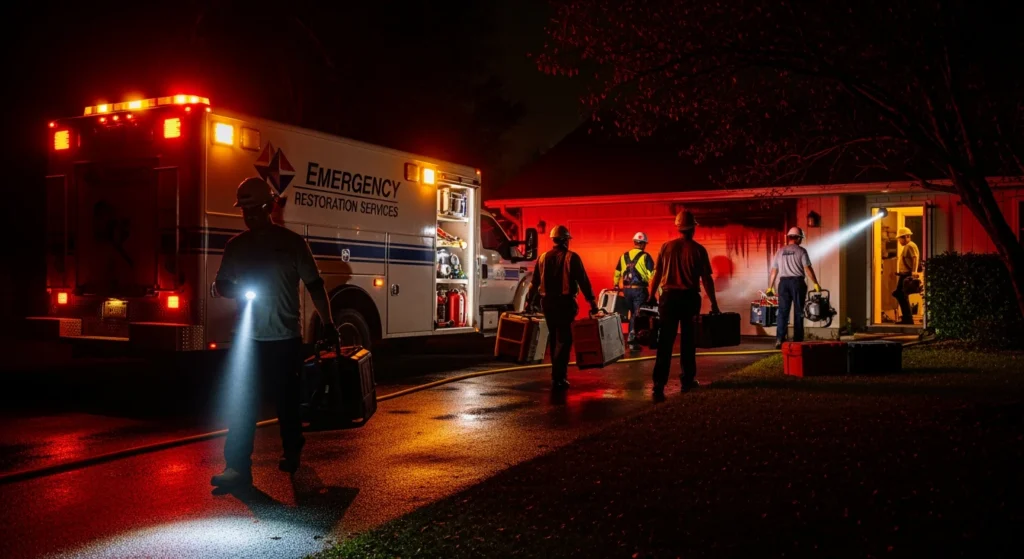
A certified biohazard response in Nassau County follows a defined protocol: PPE staging and containment setup, visual and analytical assessment of all affected areas, removal and containerized disposal of biohazardous material, HEPA vacuuming and decontamination of structural surfaces with EPA-registered disinfectants appropriate to the specific pathogen risk, air quality verification where indicated, and documentation of the decontamination process for insurance and legal purposes.
For trauma and unattended death scenes specifically: odor neutralization is an additional and critical step. Ozone treatment, hydroxyl generators, or thermal fogging may be required in addition to surface decontamination to address volatilized biological compounds in the air and embedded in porous surfaces.
Costs for Biohazard Cleanup in Nassau County (2026)
Sewage backup decontamination (basement or first floor, material removal included): $3,000–$12,000 depending on affected area and material scope. Unattended death or trauma scene: $2,000–$10,000 depending on severity and scene size. Hoarding with active biohazard (rodent): $2,500–$8,000 for the decontamination component before bulk contents removal. All costs are before any structural reconstruction.