Navigating the NYC DEP Asbestos Control Program and Title 15 Regulations
For property owners in New York City, asbestos is not merely a health concern—it is a rigorous regulatory hurdle. The New York City Department of Environmental Protection (DEP) oversees the Asbestos Control Program, which is governed primarily by Title 15, Chapter 1 of the Rules of the City of New York (RCNY). These regulations are designed to ensure that any asbestos removal nyc project is conducted without releasing microscopic fibers into the dense urban environment. Whether you own a pre-war brownstone in Brooklyn or manage a commercial high-rise in the Financial District, compliance begins with understanding the specific filings required before a single hammer swings.
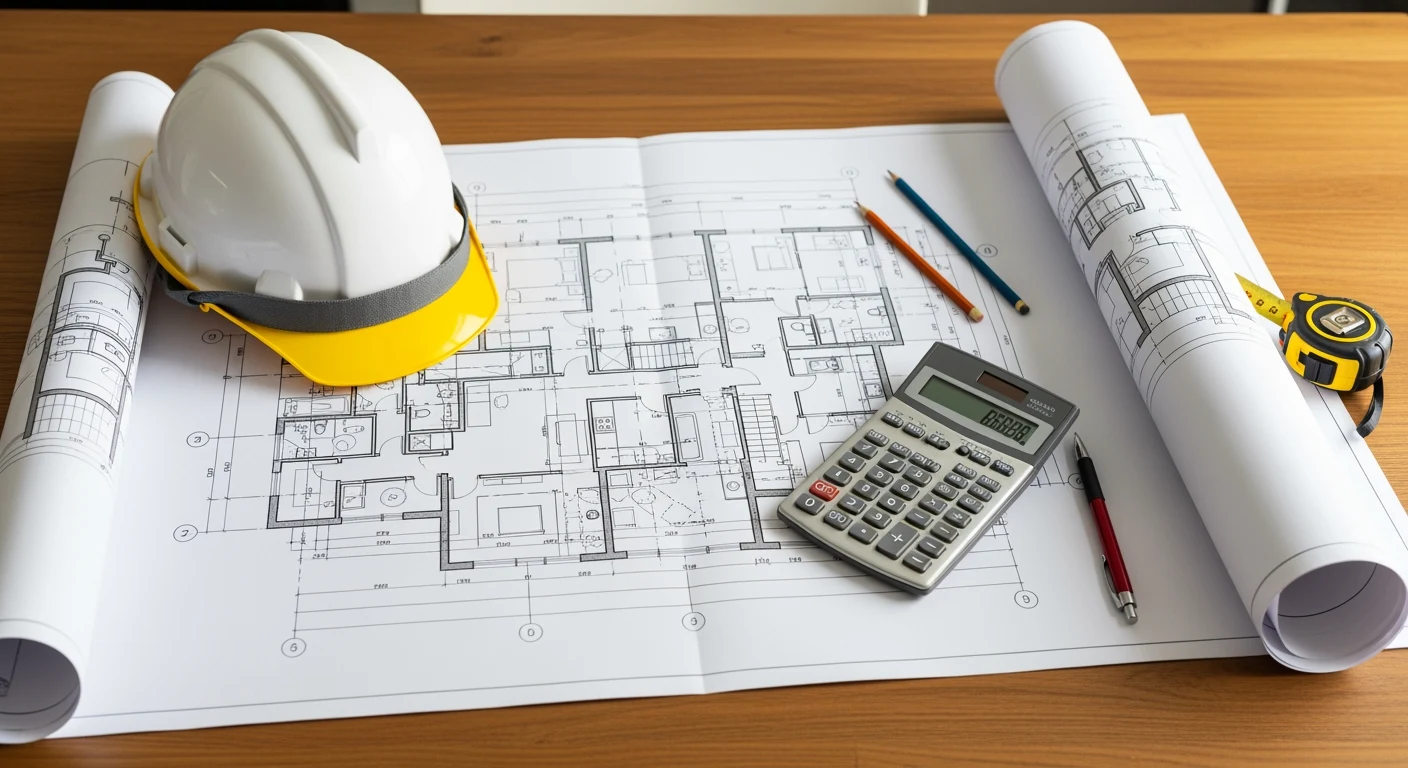
The DEP requires that most renovation or demolition work undergo an initial assessment. This is where the asbestos inspector nyc becomes a critical partner. A certified asbestos investigator (CAI) must survey the work area to determine if asbestos-containing material (ACM) will be disturbed. If the investigator finds that the project is not an asbestos project—meaning it involves less than 10 square feet or 25 linear feet of ACM, or no ACM at all—they will issue an ACP-5 form. This “Not an Asbestos Project” filing is essential for obtaining work permits from the Department of Buildings (DOB). Without a valid ACP-5 or a corresponding abatement notification, the DOB will not approve construction applications.
When ACM is present in quantities exceeding the “minor” threshold, the project transitions into a formal asbestos abatement manhattan or outer-borough operation. This necessitates an ACP-7 form, which is a project notification filed with the DEP at least seven days prior to the start of work. Upper Restoration frequently assists clients in coordinating these timelines, ensuring that the investigative phase leads seamlessly into the abatement phase without unnecessary delays in the broader construction schedule. In NYC, the distinction between a “small” project (more than 10/25 but less than 160/260) and a “large” project (160 square feet or 260 linear feet or more) dictates the complexity of the filing and the level of oversight required.
Real-World Breakdown of Asbestos Cost NYC
Understanding the asbestos cost nyc requires a look at the unique logistical challenges of the five boroughs. Pricing in New York City is generally higher than in other parts of the country due to strict disposal requirements, high insurance premiums for licensed contractors, and the labor-intensive nature of working in vertical environments. On average, residential asbestos removal can range from $2,000 for a small pipe insulation job to $15,000 or more for full-scale flooring or ceiling abatement in a multi-room apartment.
Several factors influence the final invoice:
- Material Type: Friable materials, such as spray-on fireproofing or “popcorn” ceilings, are more expensive to remove because they crumble easily and require more robust containment. Non-friable materials like vinyl asbestos tile (VAT) are often less costly, provided they can be removed without becoming friable.
- Accessibility: Removing asbestos-insulated pipes in a tight crawlspace in a Queens basement is more labor-intensive than removing the same material in an open warehouse. In Manhattan, the lack of parking and the need for freight elevator coordination add to the overhead.
- Filings and Monitoring: The nyc asbestos filing fees and the mandatory hire of an independent third-party air monitor (required for large projects) can add several thousand dollars to the project total.
- Disposal Fees: ACM cannot be left on the curb for DSNY pickup. It must be double-bagged in 6-mil poly bags, labeled, and transported to a licensed hazardous waste landfill, often located out of state.
Typically, property owners can expect to pay between $25 and $75 per linear foot for pipe insulation and $5 to $15 per square foot for flooring, though these numbers fluctuate based on the total volume of material. Upper Restoration provides detailed, line-item estimates that reflect the actual labor and disposal costs specific to the neighborhood and building type, avoiding the “hidden fees” often associated with lower-tier contractors.
The Critical Distinction Between Renovation and Demolition
The DEP and the New York State Department of Labor (DOL) view renovation and demolition through different lenses. In a renovation, the goal is often to remove only the ACM that will be disturbed by the planned upgrades. For example, if you are installing recessed lighting in a Manhattan loft, you may only need to abate the specific sections of the asbestos-containing plaster ceiling where the fixtures will be placed. This is often referred to as “selective abatement.”
However, if a building or a significant portion of it is slated for demolition, the law requires the total removal of all ACM before the demolition can begin. This is a much more invasive process. In these scenarios, the asbestos inspector nyc must perform a comprehensive “demolition survey,” which involves invasive testing—looking behind walls, under subfloors, and inside chases that are not usually accessible during a standard renovation survey. Failure to identify and remove all ACM prior to demolition can lead to catastrophic fines and stop-work orders that can paralyze a development project for months.
The Role of the Independent Air Monitor
In the interest of public safety, NYC regulations require a “separation of powers” on large-scale asbestos removal nyc projects. The company performing the abatement (the contractor) cannot be the same company performing the air monitoring. An independent environmental consultant must be hired to take air samples before, during, and after the abatement. These samples are analyzed using Phase Contrast Microscopy (PCM) or, in some cases, Transmission Electron Microscopy (TEM) to ensure that fiber counts remain below the clearance threshold of 0.01 fibers per cubic centimeter (f/cc). This ensures that the environment is safe for re-occupancy by other trades or residents.
What to Expect During the Abatement Process
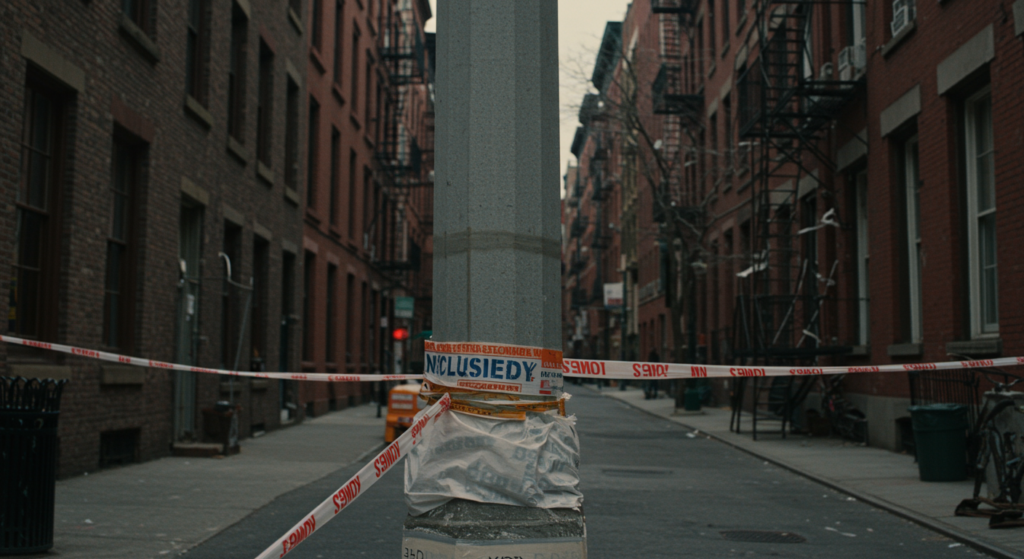
When Upper Restoration arrives on-site for an asbestos abatement manhattan project, the first phase is always preparation. We establish a regulated work area, which is cordoned off with “Danger: Asbestos” signage. Critical barriers are constructed using two layers of 6-mil fire-retardant polyethylene sheeting over all openings, including windows, doors, and HVAC vents. A decontamination enclosure system—a series of connected rooms including a shower—is built to ensure workers do not track fibers out of the work zone.
A key component of any nyc dep asbestos compliant project is the use of Negative Air Machines (NAMs) equipped with HEPA filters. These machines pull air out of the work area, filtering it to 99.97% efficiency and exhausting it outside the building. This creates a pressure differential that prevents contaminated air from leaking into the “clean” parts of the building. Once the containment is tested and the negative pressure is verified, the actual removal begins using “wet methods.” By saturating the ACM with amended water, we significantly reduce the number of fibers that become airborne during the removal process.
After the material is removed and the area is “fine cleaned” with HEPA vacuums and wet wiping, a “lockdown” encapsulant is applied to any surfaces that previously held ACM. Only after the independent air monitor passes the final clearance tests can the containment be dismantled and the area returned to the property owner. This rigorous process is why hiring a licensed, IICRC-aligned professional is non-negotiable in the NYC market.
Insurance Reality and Asbestos Claims in New York
A common question property owners ask is whether asbestos removal nyc is covered by their insurance policy. The reality is nuanced. Most standard homeowner and commercial property policies contain an “Asbestos Exclusion” clause. This means that if you simply discover asbestos during a planned renovation, the insurance company will not pay for its removal. Asbestos is considered a “naturally occurring mineral” or a “contaminant” that is part of the building’s fabric, not a sudden or accidental loss.
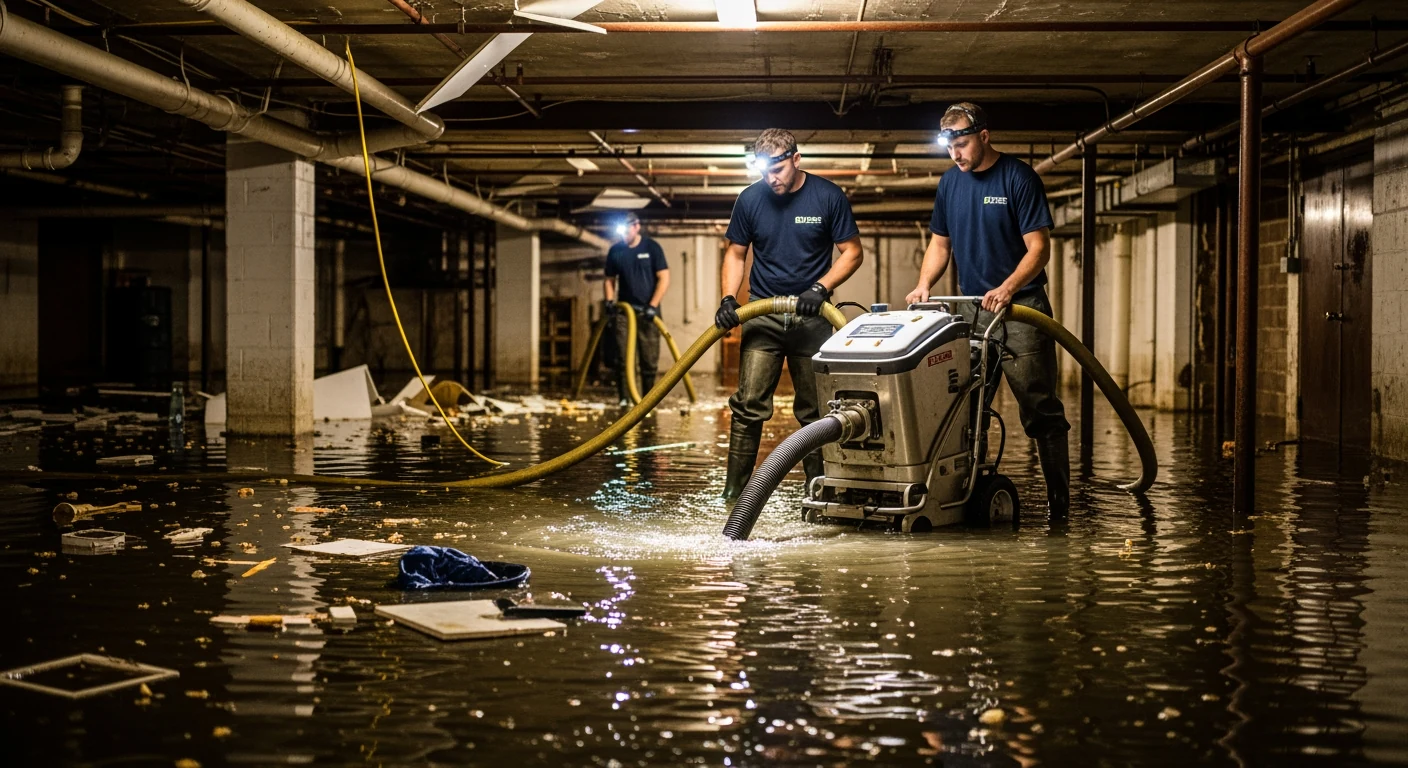
However, there is an exception: when the asbestos is disturbed by a “covered peril.” If a pipe bursts and floods your basement, and the resulting water damage necessitates the removal of asbestos-containing floor tiles to dry out the subfloor, the abatement costs may be covered as part of the water damage claim. Similarly, if a fire occurs, the cleanup of asbestos-contaminated debris is typically covered. Upper Restoration works closely with public adjusters and insurance carriers to document these scenarios, ensuring that the asbestos-related portion of a claim is clearly justified by the primary loss. We emphasize to adjusters that in NYC, you cannot legally “dry in place” or “clean around” disturbed ACM; it must be abated according to DEP code, which is a mandatory cost of repair.
Frequently Asked Questions About NYC Asbestos
Do I need an ACP-5 for a small bathroom renovation?
Yes. Even if you believe your home is “asbestos-free,” the NYC DOB requires an asbestos inspector nyc to verify this for any renovation that requires a permit. If the building was constructed after April 1, 1987, you might be exempt from certain requirements, but many architects still require the filing to protect themselves from liability. It is always safer to have the survey performed than to face a $10,000+ DEP fine for an unfiled project.
Can I remove asbestos from my own home in NYC?
While some jurisdictions allow homeowners to perform their own abatement, New York City is extremely restrictive. Under Title 15 RCNY, any work that disturbs ACM in a residential building with more than two units must be performed by a licensed asbestos contractor. Even in a single-family home, the disposal of the waste remains a significant legal hurdle that the average homeowner cannot clear. Given the health risks and the potential for devaluing your property through improper cleanup, professional asbestos removal nyc is the only recommended path.
How long does the NYC asbestos filing process take?
For small projects, an ACP-5 can be issued almost immediately after the lab results from the inspection are returned (usually 24-48 hours). For larger projects requiring an ACP-7, you must wait at least seven days after filing before work can begin. If there is an emergency—such as a collapsed ceiling or a major steam pipe break—an “Emergency Board of Health” (BOH) waiver can be requested to bypass the waiting period, though these are only granted in cases of immediate threat to life or property safety.
What is the difference between an ACP-5 and an ACP-7?
The ACP-5 is a “not an asbestos project” form, used when no asbestos is found or the amount is negligible. The ACP-7 is a “project notification,” used when a significant amount of asbestos will be removed. Both are part of the nyc dep asbestos compliance framework but serve different stages of project verification.
Talk to Upper Restoration
Managing a property in New York City or Long Island is complex enough without the added stress of asbestos compliance. At Upper Restoration, we bring a technical, IICRC-aligned approach to every abatement project. We understand the nuances of the DEP’s Title 15 regulations and the logistical demands of Manhattan’s vertical landscape. Our team is equipped to handle the entire lifecycle of an asbestos project, from initial inspection and nyc asbestos filing to the final clearance and disposal. If you have discovered potential ACM during a renovation or are facing a DOB objection on your permit application, we provide the calm, professional competence required to get your project back on track. Contact Upper Restoration today to discuss your specific abatement needs and ensure your property remains compliant and safe.