Why Pre-War NYC Buildings Are a Unique Hazard Profile
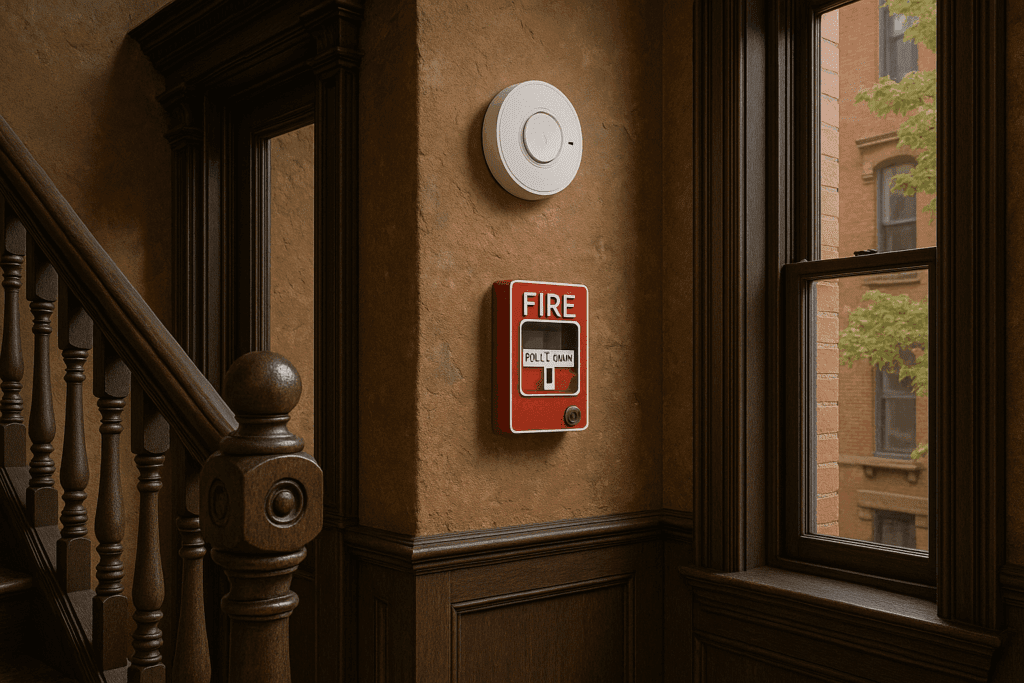
New York City pre-war residential buildings constructed before roughly 1940 represent some of the most architecturally significant real estate in the country. They also represent one of the most complex environmental hazard profiles a property owner can inherit. Built before the widespread regulation of asbestos, lead paint, and indoor moisture management practices, these buildings routinely contain multiple categories of hazardous materials in locations that are not apparent until renovation work or damage assessment begins.
Asbestos in Pre-War NYC Buildings
Pre-war buildings used asbestos in virtually every component of construction. Unlike postwar homes where asbestos appears in specific discrete materials, pre-war buildings often have asbestos distributed throughout the building fabric.
Common Asbestos Locations
- Pipe insulation: Steam heat systems used extensive pipe insulation much of which contains chrysotile or amosite asbestos, often friable in older systems
- Boiler and furnace insulation: Basement mechanical rooms often have heavily asbestos-insulated equipment representing the highest-concentration ACM in many buildings
- Floor tiles and mastic: 9×9 and 12×12 vinyl composite tiles throughout the building along with the black mastic beneath them commonly contain asbestos
- Plaster and joint compound: Pre-war plaster formulations sometimes included asbestos as a strengthening agent
- Transite board: Fire-rated wall panels, window surrounds, and utility shaft liners in many pre-war buildings are made of asbestos-cement
Who Owns the Asbestos Problem?
In a co-op the building through the co-op corporation owns and is responsible for common areas, building systems, and the building structure. Work on common-area ACMs such as pipe insulation and boiler rooms is the building responsibility. Work within a unit that disturbs ACMs requires coordination with the building and compliance with NYC DEP asbestos regulations.
Lead Paint in Pre-War NYC Buildings
New York City banned lead paint in residential use in 1960, 18 years before the federal ban. Lead paint is present in virtually every pre-war co-op on windows, doors, walls, ceilings, trim, and in common areas. Pre-1960 co-op buildings are subject to NYC Local Law 1 requirements when children under 6 reside in any unit. Any renovation work in a pre-war unit that disturbs painted surfaces requires EPA RRP-certified contractors and lead-safe work practices.
Mold in Pre-War NYC Buildings
Pre-war construction was not designed with modern moisture management in mind. The thick masonry walls, cast-iron steam heat systems, single-pane windows, and limited vapor barriers characteristic of this era create chronic moisture management challenges:
- Condensation on cold walls from masonry absorbing cold while steam heat creates warm humid air
- Roof and parapet failures creating chronic slow leaks in upper-floor units
- Steam pipe condensation creating persistent moisture conditions behind walls
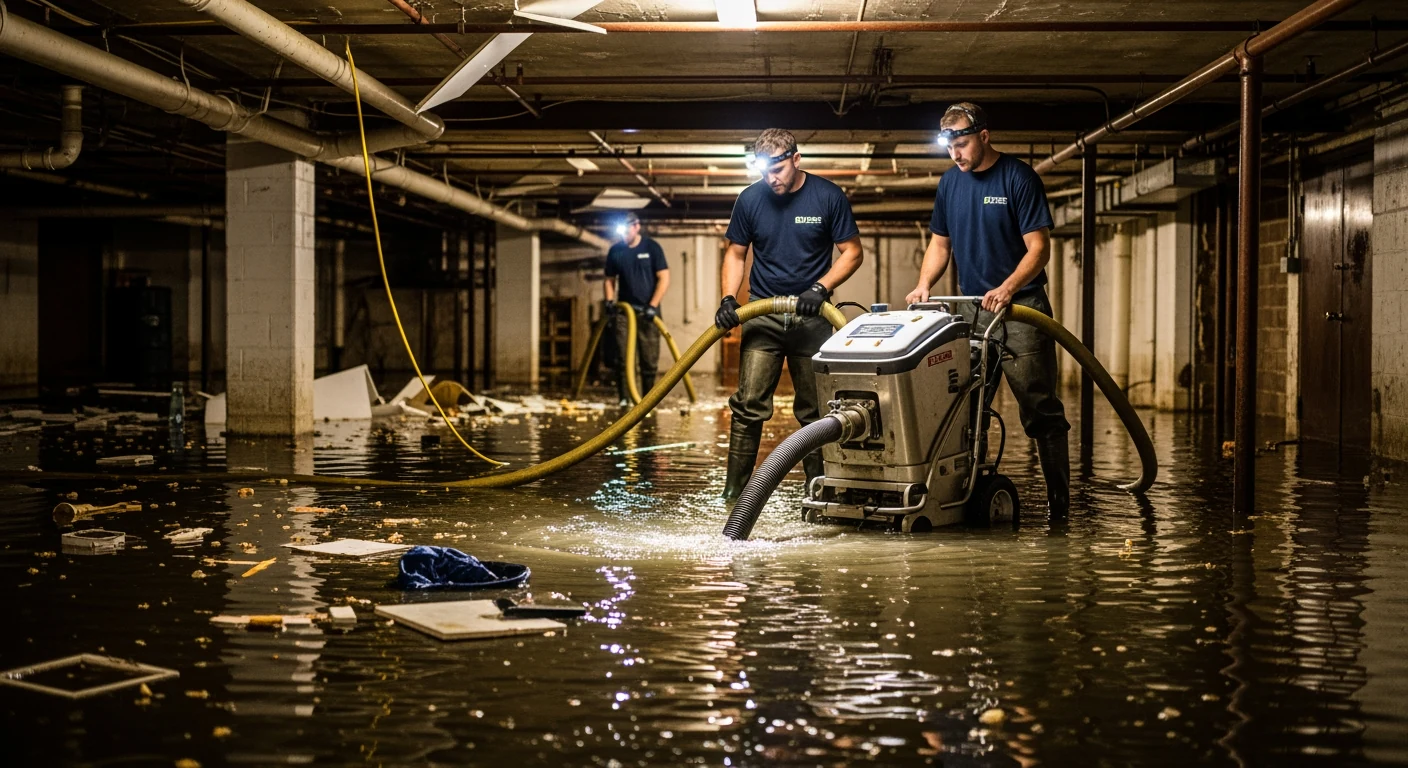
- Basement moisture from pre-war masonry foundations that wick moisture continuously
Who Pays for Remediation in a Co-op?
Building system failures including pipes and roof are generally the co-op corporation responsibility. Damage from within the unit is typically the shareholder responsibility. Pre-existing building-wide conditions including asbestos and lead in common areas are the co-op corporation responsibility. Review your proprietary lease carefully as the allocation of responsibility for damage and remediation varies significantly among buildings.
Regulatory Compliance for Pre-War Co-op Work in NYC
- File asbestos investigation notice with NYC DEP before demolition work in a pre-war building
- Use NYC DEP-licensed asbestos contractors for any abatement work
- Use EPA RRP-certified contractors for renovation work disturbing painted surfaces
- Use NYS Article 32 licensed mold assessors and remediators for any mold work
FAQ
Does every pre-war NYC building have asbestos?
Effectively yes. Pre-war NYC buildings almost universally contain asbestos-containing materials in building systems, floor materials, and structural components. The question is not whether asbestos is present but where it is, what condition it is in, and what work will disturb it.
Can I renovate a pre-war NYC co-op unit without testing for asbestos?
No. NYC DEP regulations require an asbestos investigation before any demolition work in pre-1987 buildings. Filing an asbestos investigation report with DEP is required before alteration permits are issued in many cases.
Who is responsible for mold remediation in a NYC co-op?
It depends on the source of moisture. Building system failures are generally the co-op responsibility. Damage from within the unit is typically the shareholder responsibility. The proprietary lease is the governing document.
Upper Restoration Pre-War NYC Building Specialists
Upper Restoration has extensive experience with asbestos abatement, lead paint management, and mold remediation in pre-war NYC co-op and condo buildings. We navigate NYC DEP requirements, coordinate with building management and co-op boards, and perform work that meets regulatory standards in landmark and historic buildings. Contact us for a pre-renovation assessment or post-damage remediation.