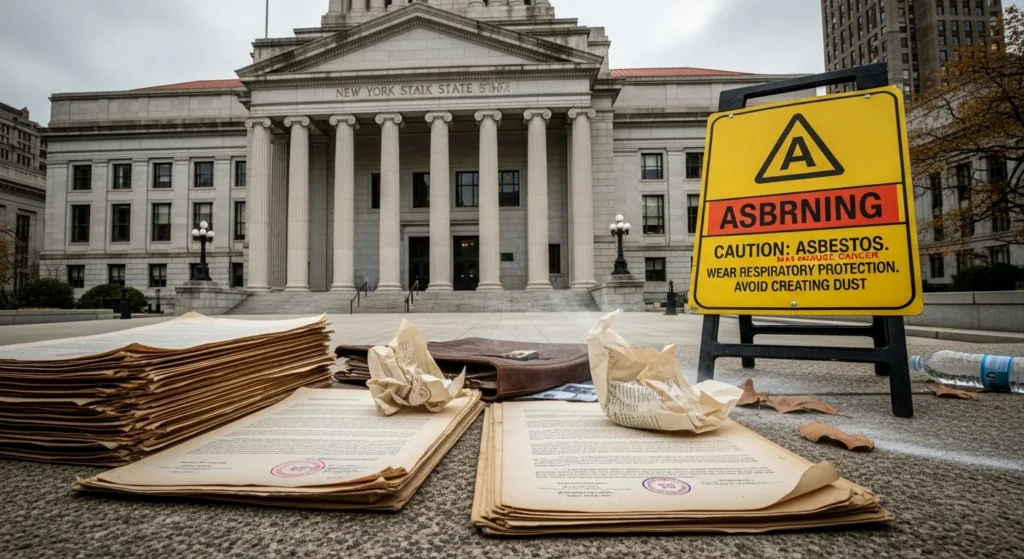
New York is one of the most active states in the country for asbestos litigation. If you own property in Long Island or New York City that was built before 1980, understanding your legal exposure — and how to minimize it — is as important as understanding the physical remediation process itself.
Who Gets Sued in New York Asbestos Cases
Asbestos lawsuits in New York name several categories of defendants depending on the circumstances of exposure:
- Property owners and landlords: The most common defendants in residential and commercial cases. Property owners have a duty to maintain safe conditions and to disclose known hazardous materials. Failure to remediate known asbestos or to disclose it to tenants, buyers, or contractors creates significant liability.
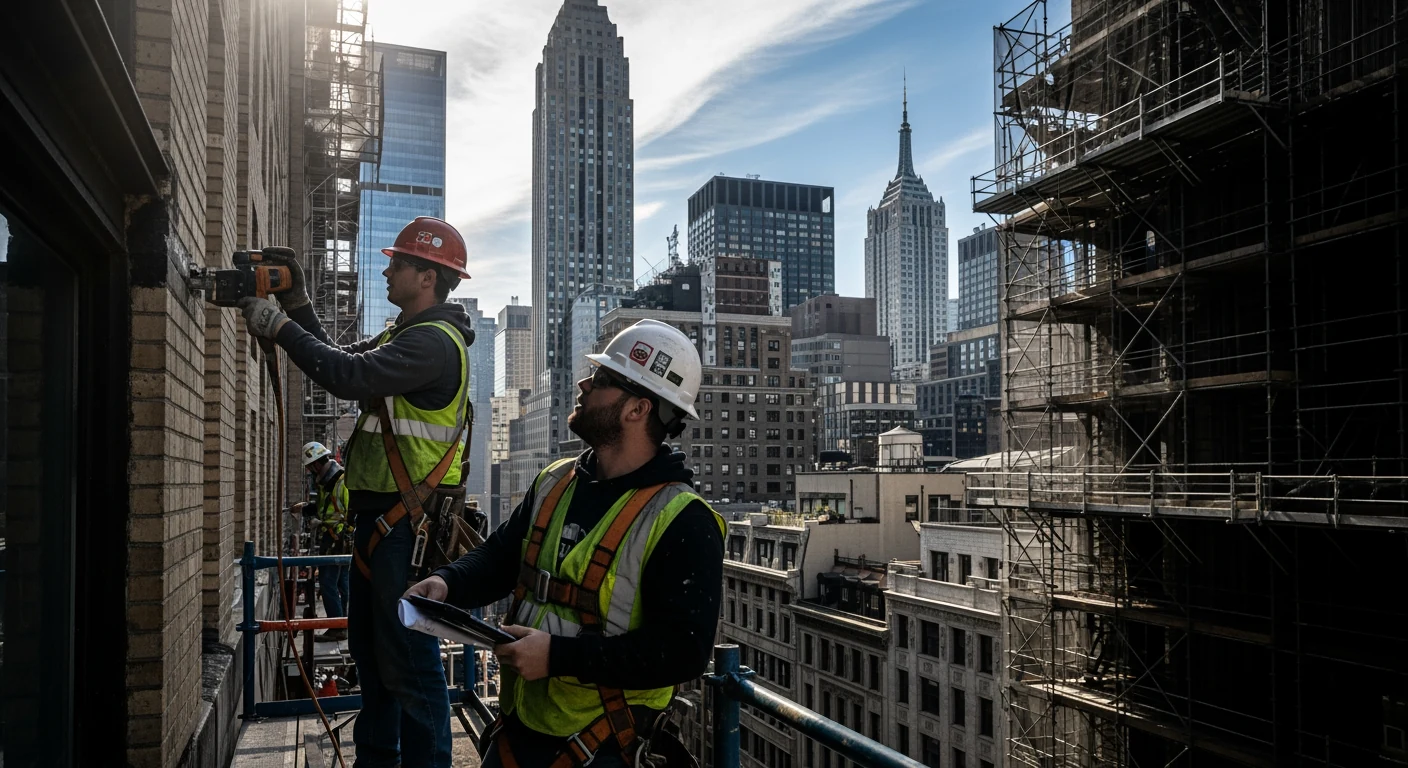
- General contractors and renovation companies: Contractors who disturb asbestos-containing materials without proper surveying, notification, or licensed abatement can be held liable for resulting exposure.
- Employers: Businesses that exposed workers to asbestos in industrial, shipyard, or construction settings face occupational exposure claims under both tort law and workers’ compensation.
- Manufacturers: Companies that manufactured asbestos-containing products (insulation, floor tiles, pipe wrap) face product liability claims, many of which are pursued through asbestos bankruptcy trusts.
Types of Asbestos Lawsuits in New York
Personal Injury Claims
Filed by individuals diagnosed with mesothelioma, asbestosis, or lung cancer resulting from asbestos exposure. These cases are often pursued against multiple defendants and can result in significant settlements or verdicts. New York’s statute of limitations for personal injury asbestos claims is 3 years from diagnosis — not from the date of exposure, which may have occurred decades earlier.
Wrongful Death Claims
Filed by surviving family members of individuals who died from asbestos-related disease. The statute of limitations is 2 years from the date of death in New York.
Property Damage Claims
Filed by property owners, buyers, or tenants who discover undisclosed asbestos and incur remediation costs. Sellers who fail to disclose known asbestos conditions may face breach of contract and fraud claims in addition to tort liability.
New York Property Owner Liability: What the Law Requires
New York property owners have three core legal obligations related to asbestos:
- Pre-renovation survey: NYS DEC and NYC DEP require an asbestos survey before any renovation or demolition of pre-1980 buildings. Skipping this step is itself a violation — and creates liability for any resulting exposure.
- Licensed abatement: All asbestos abatement must be performed by a contractor licensed under the NYS DOL Asbestos Safety Training Program (ASTP). Using an unlicensed contractor does not transfer liability — it compounds it.
- Disclosure: New York does not have a universal asbestos disclosure law for residential sales, but sellers and landlords can face fraud claims if they conceal known asbestos conditions. Commercial transactions typically include environmental disclosure requirements by contract.
Asbestos Bankruptcy Trusts: A Parallel Compensation System
Many historic asbestos manufacturers — including Johns Manville, Armstrong World Industries, and W.R. Grace — resolved their liability through bankruptcy and established trust funds to compensate future claimants. As of 2026, over 60 active asbestos bankruptcy trusts hold an estimated $30+ billion in assets. Claimants can file with multiple trusts without filing a lawsuit, and many New York asbestos attorneys pursue both trust claims and litigation simultaneously.
How to Protect Yourself as a Property Owner in 2026
- Survey before you renovate: Always obtain a written asbestos survey from a licensed NYS assessor before any work begins. Keep the report permanently in your property records.
- Use licensed contractors only: Verify ASTP license currency at labor.ny.gov before signing any contract. Request the waste disposal manifest after project completion.
- Maintain documentation: Post-abatement air clearance tests, contractor licenses, waste manifests, and all survey reports should be retained indefinitely — not just the legally required 7 years. In litigation, documents speak for you.
- Disclose proactively: In commercial transactions and when contracting with renovators, disclose known asbestos conditions in writing. Proactive disclosure reduces liability; concealment creates it.
Frequently Asked Questions