The Gap Nobody Talks About: Mitigation Done, House Still Wrecked
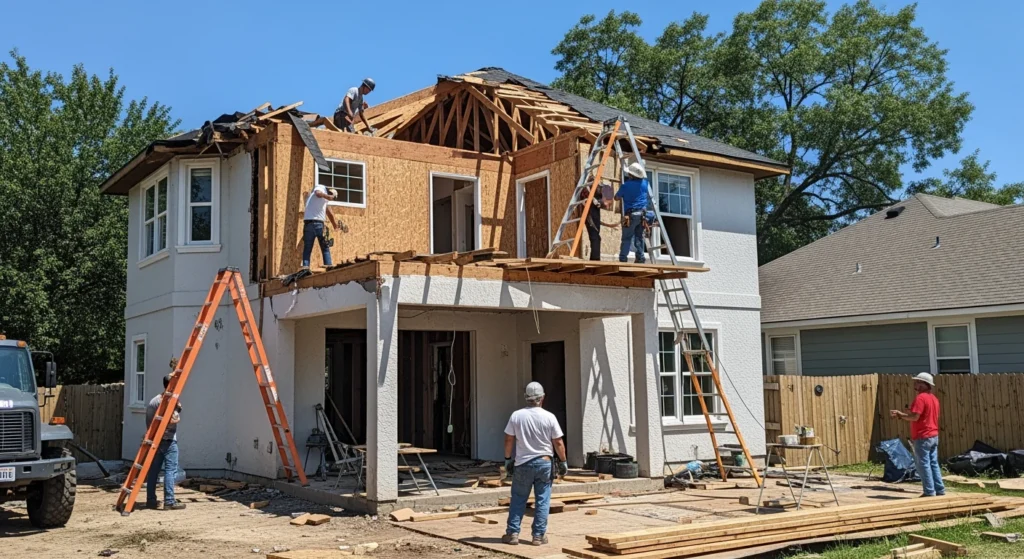
Water damage restoration is described as two phases: mitigation and reconstruction. In practice, most homeowners experience them as separate events with a frustrating gap between them. The mitigation crew leaves after drying is complete. The fans and dehumidifiers go away. And homeowners discover they are left with cut drywall, exposed insulation, missing flooring, and no one coordinating what happens next.
What Mitigation Actually Delivers
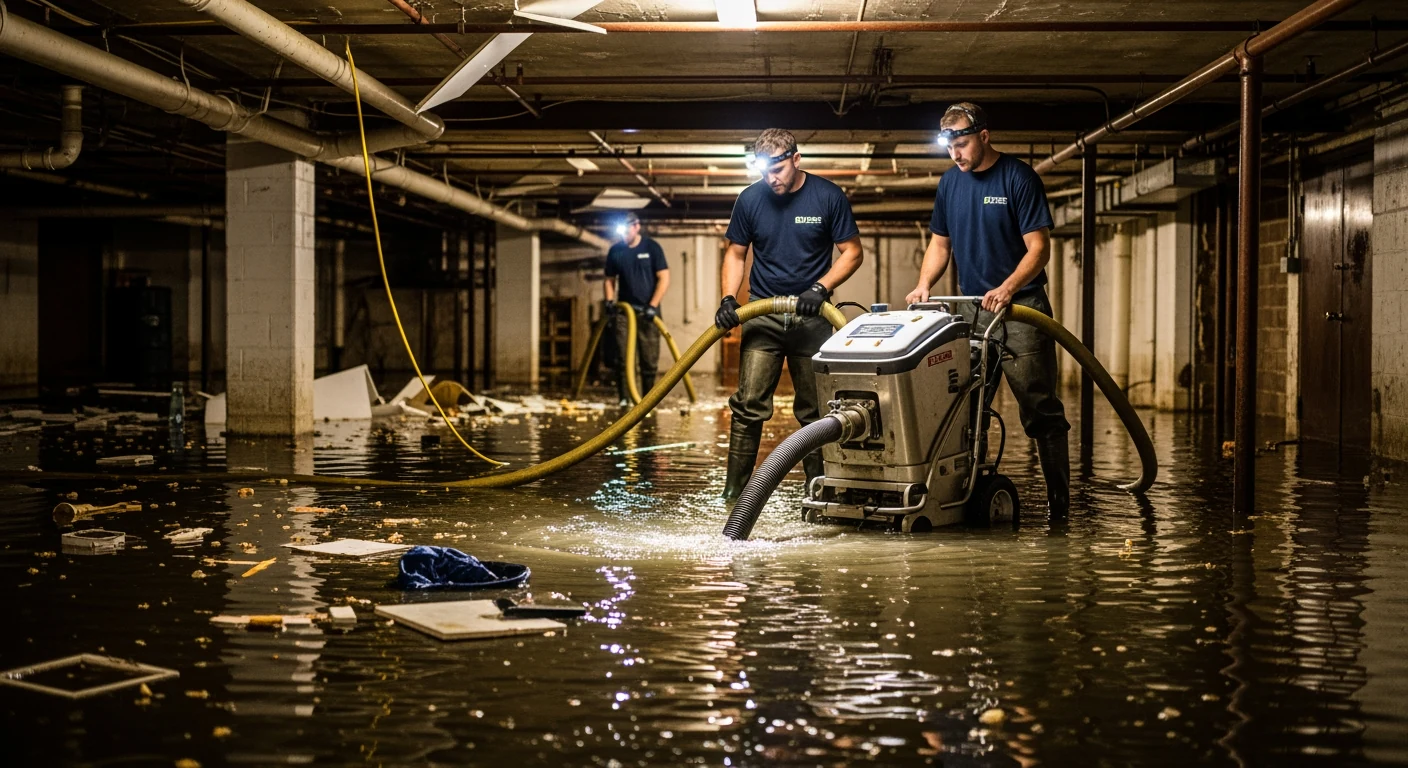
Mitigation is the process of stopping damage and returning the structure to a dry, stable state. It includes water extraction, controlled demolition removing materials that cannot be dried in place, structural drying with LGR dehumidifiers and air movers, daily moisture monitoring, and antimicrobial treatment. What mitigation does not deliver: finished walls, replaced flooring, painted ceilings, or a house that looks the way it did before the loss. That is what reconstruction is for.
What Reconstruction Involves
Drywall Replacement
The most common reconstruction task after water damage. Drywall that was removed or failed moisture testing must be replaced, taped, mudded, sanded, and painted. This requires matching existing texture, paint color, and sheen to make repairs invisible.
Flooring Replacement
Hardwood that could not be dried in place, laminate that buckled, carpet that tested positive for contamination must all be removed and replaced. Flooring replacement often requires matching discontinued products or refinishing adjacent areas for a consistent look.
Insulation Replacement
Fiberglass batt insulation absorbs water and cannot be dried. It must be replaced after any significant wall or ceiling opening. Blown-in attic insulation may require partial or full replacement depending on saturation levels.
Trim, Doors, and Cabinetry
Baseboard trim removed during drying must be reinstalled or replaced. Doors that swelled and warped may need shimming or replacement. Kitchen and bathroom cabinetry damaged by water may require partial or full replacement.
Mechanical and Electrical
Water damage reaching electrical components, HVAC systems, or plumbing requires licensed tradespeople before walls can be closed. This work must pass inspection in many jurisdictions.
Who Coordinates Reconstruction?
Many mitigation companies are not licensed general contractors and do not offer reconstruction services. Some restoration companies including Upper Restoration provide start-to-finish service handling both mitigation and the complete reconstruction that follows. When choosing a restoration company, the key question is: do you handle the full rebuild or only the mitigation phase?
2026 Reconstruction Costs for Long Island
- Drywall replacement per room: $800-$3,000
- Hardwood floor replacement per 100 sq ft: $600-$1,800
- Laminate or LVP replacement per 100 sq ft: $300-$900
- Insulation replacement per 100 sq ft: $150-$400
- Full kitchen cabinet replacement: $5,000-$20,000 plus
- Full bathroom rebuild after Category 3 loss: $8,000-$25,000 plus
How Insurance Handles Reconstruction
Most homeowners insurance policies cover both mitigation and reconstruction for covered water damage events. The insurer typically issues two payments: ACV (Actual Cash Value) as an initial payment reflecting depreciated value, and an RCV (Replacement Cost Value) supplement after reconstruction is complete and you submit invoices showing you made the repairs. Many homeowners accept the ACV check and miss the RCV supplement. Do not make this mistake.
FAQ
What is the difference between mitigation and reconstruction after water damage?
Mitigation stops damage and dries the structure through extraction, demolition, structural drying, and antimicrobial treatment. Reconstruction is the build-back phase replacing drywall, flooring, insulation, trim, and other materials to return the home to pre-loss condition.
Does insurance cover water damage reconstruction?
Yes for covered losses such as sudden and accidental water damage. The insurer pays ACV upfront and an RCV supplement after you complete repairs and submit documentation.
Can the same company do both mitigation and reconstruction?
Some can and some cannot. Companies like Upper Restoration are licensed to perform the full start-to-finish process, which eliminates coordination gaps and simplifies insurance documentation.
Ready to Move from Mitigation to Rebuild?
If your mitigation is complete and you are staring at unfinished walls and missing flooring, Upper Restoration can take over the reconstruction phase. We serve Nassau County, Suffolk County, and NYC with full-service rebuild capabilities. Contact us for a post-mitigation reconstruction assessment.