2026 NYC & Long Island Restoration Update. Restoration claim volume across NYC, Long Island (Nassau and Suffolk), and the broader Tri-State has continued to track water damage, sewage backup, fire and smoke, and mold remediation as the dominant categories through 2026. Insurance claim mechanics — particularly around water mitigation, IICRC certifications, and the documented chain of restoration steps — have remained the deciding factor in successful claims. For homeowners, building managers, and condo and co-op boards across NYC and Long Island, the restoration landscape rewards licensed, IICRC-certified providers with documented claim experience. The remainder of this article — originally published in an earlier cycle and updated for 2026 — covers the underlying restoration and claim detail.
Fires are a common occurrence, and they can cause significant damage to your property, but they can also have serious effects on your health and safety. In this article, we’ll explore the different ways that fire damage can impact your well-being, and what you can do to protect yourself.
Smoke Inhalation
One of the most significant health risks associated with fire damage is smoke inhalation. When you breathe in smoke, you’re inhaling a mixture of gases and particles that can cause serious harm to your respiratory system. Smoke inhalation can cause coughing, shortness of breath, chest pain, and even lung damage.
For current pricing information, see our detailed guide to fire damage restoration cost on Long Island.
It’s important to note that smoke inhalation doesn’t just happen during a fire. Smoke can linger in the air for days after a fire has been put out, and it can still be harmful to your health. If you’ve experienced fire damage, you should avoid spending time in the affected area until it has been properly cleaned and ventilated.
Carbon Monoxide Poisoning
Carbon monoxide is a colorless, odorless gas that is produced when fuels like wood, gas, and oil burn. When you breathe in high levels of carbon monoxide, it can cause headaches, dizziness, nausea, and even death. Carbon monoxide poisoning is a serious risk during and after a fire, as damaged appliances and ventilation systems can release high levels of the gas.
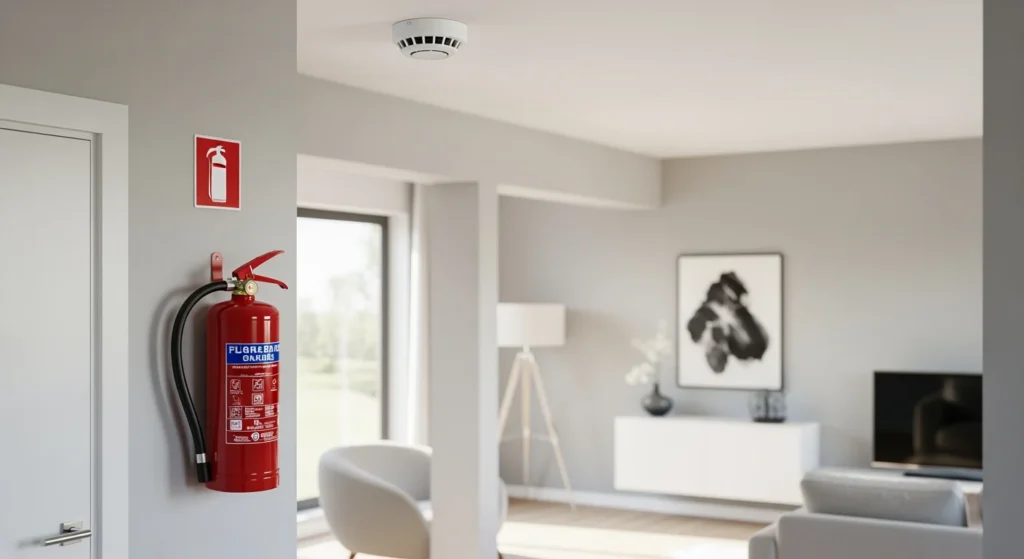
To protect yourself from carbon monoxide poisoning, it’s important to have working carbon monoxide detectors in your home. You should also have your appliances and ventilation systems inspected regularly to ensure they are functioning properly.
Physical Injuries
In addition to the health risks associated with smoke and carbon monoxide, fire damage can also cause physical injuries. Burns and cuts are common injuries during a fire, and they can range from minor to life-threatening. If you’ve experienced fire damage, it’s important to seek medical attention if you have any injuries, no matter how small they may seem. Furthermore, fire damage can cause structural damage to your home or building, making it potentially unsafe to inhabit. It’s important to have your property inspected by professionals to ensure that it is safe to return to.
Mental Health
In addition to the physical effects of fire damage, it’s important to acknowledge the emotional toll that it can take on your well-being. Fires can be extremely traumatic experiences, and they can leave lasting emotional scars that can impact you for years to come. Coping with fire damage can be a challenging and stressful process, and it’s important to take care of your mental health as well as your physical health. This may involve seeking counseling or support from loved ones, or exploring alternative methods of stress management such as meditation or yoga. Remember that recovery is a journey, and it’s important to take things one step at a time. Don’t be afraid to speak up if you’re struggling, and remember that there is no shame in seeking help when you need it. With the right support and resources, it is possible to overcome the emotional toll of fire damage and move forward towards a brighter future.
Prevention
Prevention is key when it comes to fire damage. There are several steps you can take to reduce the risk of a fire occurring in your home or building. These include:
- Installing smoke detectors and carbon monoxide detectors
- Keeping flammable materials away from heat sources
- Regularly inspecting and maintaining appliances and electrical systems
- Having an evacuation plan in place and practicing it regularly
- Properly disposing of cigarettes and other smoking materials
Conclusion
Upper Restoration provides professional fire and smoke damage restoration services across Nassau County, Suffolk County, and all five NYC boroughs — available 24/7.
Fire damage can have serious effects on your health and safety, from smoke inhalation and carbon monoxide poisoning to physical injuries and emotional trauma. If you’ve experienced fire damage, it’s important to take steps to protect yourself and seek medical attention if necessary. By understanding the risks associated with fire damage and taking preventative measures, you can help keep yourself and your property safe.
*Editor’s Note: This article was reviewed and updated with the latest information on February 17, 2026.
2026 Update: What Fire Damage Really Involves
Fire damage is the most misunderstood category of property damage. Most homeowners see the burn zone and assume that’s the extent of it. In practice, fire damage has three separate components — structural, smoke, and water — each requiring different remediation, and smoke damage in particular routinely affects the entire home regardless of where the fire started.
The Three Layers of Fire Damage
1. Structural Fire Damage
The visible burn zone. Includes charred framing, melted materials, collapsed structural elements. Requires structural engineering assessment before any restoration work in affected areas. In New York, structural repairs after fire typically require a DOB permit.
2. Smoke and Soot Damage
Smoke travels through HVAC systems, wall cavities, and ductwork — often reaching every room in the home within minutes of a structural fire. Different fuel types create different soot compositions:
- Wet smoke (slow-burning fires, plastics): Smears on contact, pungent — hardest to remove
- Dry smoke (fast-burning, paper/wood): Powdery, easier to clean but penetrates porous surfaces
- Protein smoke (kitchen fires, organic material): Nearly invisible but leaves strong persistent odor on surfaces
- Fuel oil/chemical smoke (HVAC fires, synthetic materials): Contains carcinogens — full HEPA remediation required
3. Water Damage from Firefighting
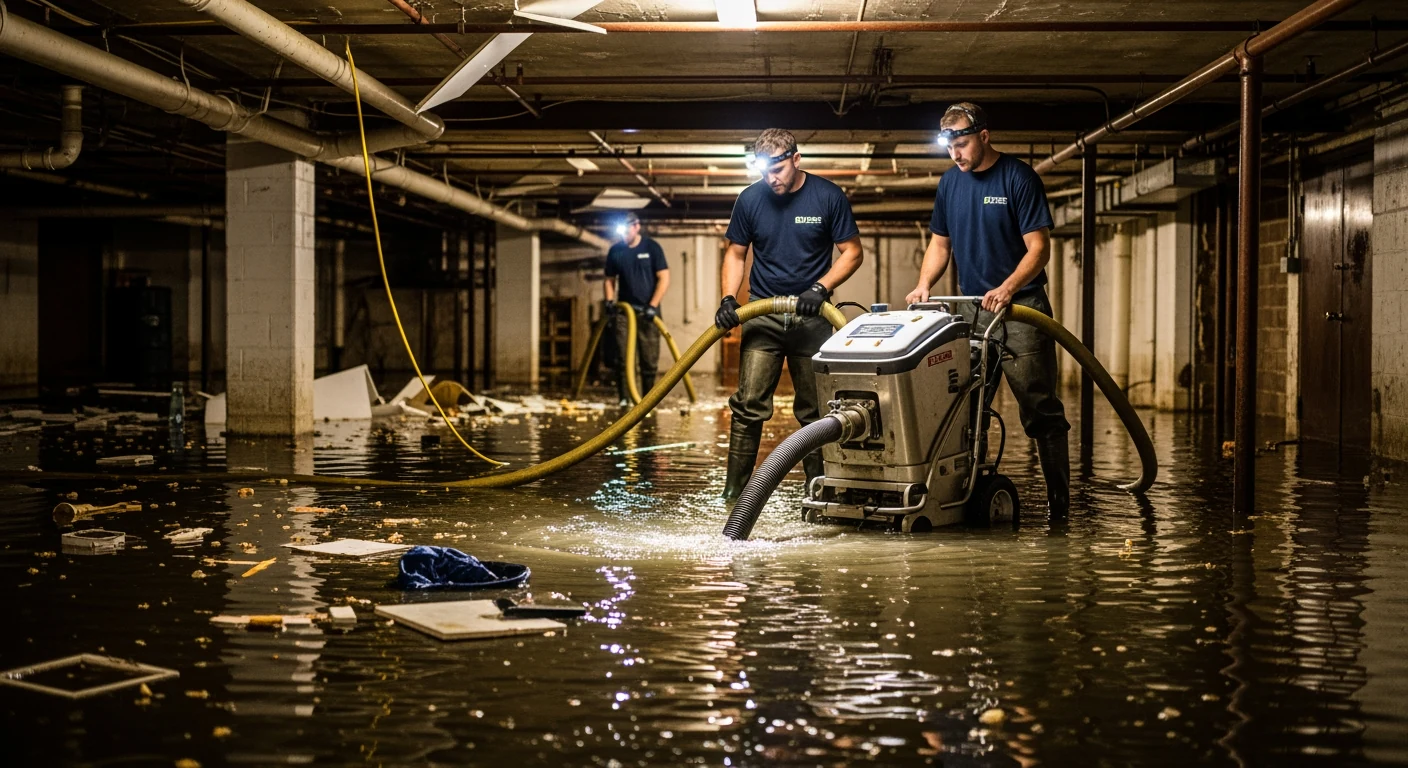
Fire suppression introduces thousands of gallons of water into the structure. Water damage from firefighting begins immediately — and mold colonization can begin within 24–48 hours of suppression. Structural drying must begin on the same day as fire suppression for best outcomes.
Health Effects of Fire Damage Exposure
Re-entering a fire-damaged structure before professional decontamination poses serious health risks:
- Carbon monoxide: Can persist in enclosed fire-damaged spaces for hours after suppression
- Hydrogen cyanide: Produced by burning synthetics and plastics common in modern homes
- Particulate matter from soot: Fine particles (PM2.5) penetrate deep into lung tissue
- Asbestos disturbance: Fire in pre-1980 homes almost certainly disturbed ACM — treat all fire debris in older homes as potential asbestos hazard
- Mold exposure: If water damage wasn’t addressed within 24–48 hours, secondary mold growth in fire-affected areas is likely
What to Do After a Fire on Long Island in 2026
- Don’t re-enter until fire department clears the structure
- Call insurance immediately — document call time
- Call a licensed restoration company — not a general contractor — for emergency board-up and structural drying
- Do not remove or dispose of any damaged contents before adjuster documentation
- If the home is pre-1980, assume asbestos disturbance until tested
Health research context: The CDC identifies carbon monoxide, hydrogen cyanide, and particulate matter (PM2.5) as the primary health hazards in fire-damaged structures. A 2022 study in Occupational and Environmental Medicine found firefighters have a 9% higher cancer incidence rate — attributable to toxic combustion byproduct exposure. For homeowners re-entering fire-damaged buildings, the EPA recommends professional air quality testing before extended occupancy.
Related Restoration Services
- Fire Damage Restoration Cost on Long Island: What You’ll Actually Pay in 2025
- Fire & Smoke Damage Restoration in Brentwood, NY
- Fire & Smoke Damage Restoration in Central Islip, NY