Why Asbestos Grout Is Still a Concern in Older Homes
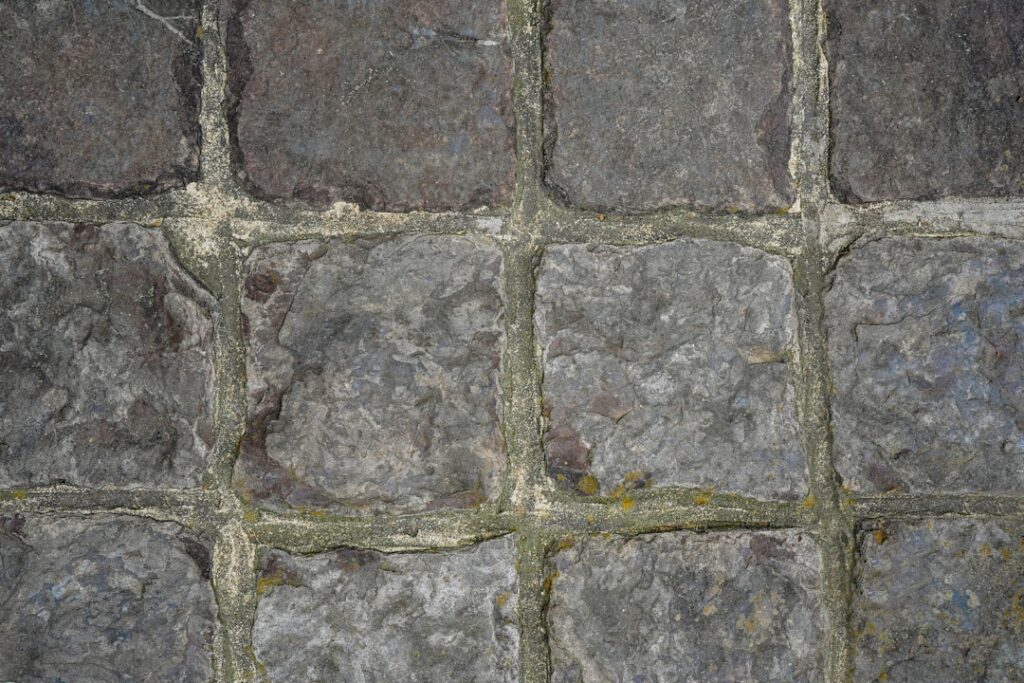
Asbestos grout shows up almost exclusively in homes built or renovated before 1980, when manufacturers routinely added asbestos fibers to grout, mortar, and tile adhesive for strength and heat resistance. If your bathroom, kitchen backsplash, or entryway tile hasn’t been touched since the original installation, the grout holding it in place could be one of those products.
Federal regulators have known about this risk for decades. OSHA’s asbestos standard, 29 CFR 1910.1001, specifically lists asbestos cement, mortar, coating, and grout among the regulated materials workers may encounter on the job, which tells you how common these formulations once were in residential and commercial construction (OSHA, 29 CFR 1910.1001). The concern today isn’t that every old tile job is dangerous sitting untouched. It’s that renovation, repair, or storm and water damage can crack, chip, or grind that grout loose, releasing fibers into the air you breathe.
Warning Signs of Possible Asbestos Grout (And Why Sight Alone Isn’t Enough)
Certain visual and contextual clues raise the likelihood that grout contains asbestos, but none of them confirm it. Only laboratory testing can determine whether a sample is asbestos-containing material, according to the U.S. EPA (EPA, Asbestos in Homes).
Property age is the strongest indicator. If your home was built before 1980 and the original tile work is still in place, that’s reason enough to treat the grout with caution. Tile size matters too: 9-inch by 9-inch tiles were a common format during the era when asbestos-filled adhesives and grouts were standard, according to CO A Best Test’s flooring identification guide (CO A Best Test, 2026). Physical condition adds another layer. Grout that’s crumbling, powdery, or visibly deteriorating is more likely to release fibers than grout that’s intact, and Upper Restoration’s own guidance on asbestos grout flags aging, degrading grout in pre-1980s homes as a telltale warning sign worth taking seriously (Upper Restoration, 2025).
Important: Home age, tile size, and grout condition are indicators, not proof. The only way to confirm asbestos is a lab test on a properly collected sample. Never assume grout is “probably fine” just because it looks solid, and never assume it’s contaminated just because the house is old.
What NOT to Do If You Suspect Asbestos Grout
The single biggest risk with asbestos grout isn’t the material sitting quietly in your bathroom. It’s what happens the moment someone starts scraping, sanding, grinding, or vacuuming it without the right precautions. Disturbance is what turns a stable, contained material into an airborne fiber hazard.
Dry-scraping old grout with a utility knife, running a rotary tool or grinder along the joints, sanding down rough edges before re-grouting, or pulling up tile with a hammer and pry bar are all common DIY moves that can aerosolize asbestos fibers if the material is contaminated. Standard household vacuums make the problem worse, not better. A regular vacuum’s filter doesn’t capture microscopic fibers, so it exhausts them right back into the room, and this exact hazard is why OSHA’s standard prohibits blowing or shaking asbestos dust off protective clothing and equipment during regulated work (OSHA, 29 CFR 1910.1001). Full demolition projects, like tearing out a tile floor to prep for a renovation, carry the highest risk because they generate the most dust over the longest period of disturbance.
If you’ve already started one of these activities and now suspect asbestos, the next section covers exactly what to do, including how to limit further exposure.
Safe Response Steps: What to Do the Moment You Suspect Asbestos
The correct response to suspected asbestos grout is to stop disturbing it, leave the area, and arrange professional testing before any further work happens. This sequence limits fiber release and gives a certified inspector clean conditions to sample accurately.
The U.S. EPA’s I-WASTE fact sheet on asbestos-containing materials is direct on this point: if damaged material is suspected to contain asbestos, it should not be disturbed until it’s been identified, and the work area should be sealed off in the meantime (EPA I-WASTE DST, 2020, updated 2026). Guidance aimed specifically at homeowners mid-renovation echoes this. Serling Law PC’s homeowner guide on asbestos tile removal instructs readers to stop work immediately to prevent additional fiber release, then leave the work space entirely rather than trying to finish the job or clean up first (Serling Law PC, 2026).
In practice, that means:
- Stop. Put down tools the second you suspect asbestos grout. Don’t finish “just this one section.”
- Isolate. Close the door to the room, or hang plastic sheeting over the opening if there’s no door, to keep dust from spreading to the rest of the home.
- Don’t clean. Skip the vacuum, the broom, and the wet wipe-down. Disturbing settled dust can re-release fibers.
- Call for testing. Contact a certified inspector or a licensed abatement contractor who can collect a sample under controlled conditions.
- Wait for results before doing anything else. If asbestos is confirmed, professional abatement is the next and only safe step.
How Professional Testing and Sampling Works
Professional asbestos testing involves a certified inspector collecting a small grout or tile sample under controlled, wet conditions and sending it to an accredited lab for fiber analysis. Homeowners should not attempt to collect their own samples, since improper cutting or dry sampling can release the exact fibers you’re trying to avoid.
When trained professionals do collect samples, they follow specific containment steps: wetting the material before cutting to suppress dust, taking only small quantities, and using a HEPA vacuum to capture any loose particles generated during collection, as demonstrated by a licensed inspector on Ask This Old House (Ask This Old House, 2023). That same segment recommends a full pre-renovation survey by a licensed inspector before any tile demolition begins, not just a spot check on one section of grout. A pre-renovation survey identifies every suspect material in the renovation footprint, so mortar, leveling compound, and tile adhesive under the tile get checked alongside the visible grout lines. Homeowner forums confirm this is a common blind spot; a widely referenced r/asbestoshelp thread notes that grout, leveling compound, mastic, and adhesive layers are all frequently suspect materials in flooring jobs, not just the grout itself (Reddit, r/asbestoshelp, 2022).
Once lab results come back, a qualified professional assesses the material’s condition, friability, accessibility, and potential for fiber release before recommending a course of action, a step required under occupational asbestos-awareness guidance before any demolition or alteration begins (Safety Evolution, 2026).
The Safe Removal Process: Containment, Wet Methods, HEPA Filtration, Disposal
Safe asbestos grout removal relies on containment, moisture, and filtration working together: sealing off the work area, keeping the material wet to suppress dust, using HEPA-filtered vacuums and air scrubbers, and double-bagging waste for proper disposal. Every step is designed to keep fibers from becoming airborne or spreading beyond the immediate work zone.
Asbestos Victoria’s practical guidance for anyone working near asbestos in a home lays out the core controls clearly: internal doors get sealed to stop dust migration, external doors and windows get opened for ventilation away from occupied areas, materials are kept wet throughout the work, and any dust is collected with a HEPA vacuum rather than a standard shop vac (Asbestos Victoria, 2024). Waste doesn’t just get bagged once. It gets double-bagged, sealed, and labeled as asbestos-containing material before it leaves the property, since standard household trash pickup isn’t equipped to handle it.
This is precisely the process a licensed abatement crew runs, and it’s also precisely why this section is educational rather than instructional. Reading the steps doesn’t make removal a DIY-safe project. The equipment, air monitoring, and disposal permitting involved require licensing that varies by state and municipality.
When to Call a Licensed Professional (Not a DIY Job)
You should call a licensed asbestos professional any time grout testing confirms asbestos, any time grout is already cracked or crumbling in a pre-1980 home, and before any renovation, demolition, or tile removal in an older property. Regulatory guidance consistently points homeowners toward professionals rather than self-removal once asbestos is suspected or confirmed.
The Canadian Centre for Occupational Health and Safety puts it plainly: if asbestos is found, hire a qualified asbestos removal specialist to get rid of it before beginning work, and avoid disturbing asbestos materials yourself in the meantime (CCOHS, 2025). That guidance holds whether you’re a homeowner replacing a bathroom floor or a landlord prepping a unit between tenants. The stakes are the same, and so is the answer: a qualified person, not a property owner with a pry bar, needs to make the call on how the material gets handled.
This is also where Upper Restoration’s certifications come into play directly. EPA, NYS, and IICRC certifications aren’t just credentials on a website. They’re what allow a crew to legally test, contain, and remove asbestos-containing grout in the tri-state area, and they’re the difference between a compliant abatement job and a liability.
If you suspect asbestos grout in your home or building, don’t wait on a renovation that’s already underway. A same-day assessment can confirm what you’re dealing with and outline safe next steps.
How Upper Restoration Handles Asbestos Grout Assessment and Abatement
Upper Restoration provides EPA, NYS, and IICRC-certified testing, containment, and abatement for asbestos grout and related materials across NYC’s five boroughs, Long Island, New Jersey, Pennsylvania, and Connecticut. The process starts with assessment, moves to certified lab sampling, and, if asbestos is confirmed, proceeds to licensed removal under proper containment and disposal protocols.
Property owners rarely have the luxury of waiting weeks to figure out what’s in their tile floor, especially mid-renovation or after storm and water damage has already cracked old grout lines. Upper Restoration’s crews are built for that timeline: same-day response, certified inspectors who know how to collect samples without spreading contamination, and abatement teams equipped for the wet-method, HEPA-filtered containment work that confirmed asbestos requires. Whether you’re a homeowner in the middle of a bathroom remodel, a landlord managing a pre-1980 building, or a property manager coordinating repairs across multiple units, the process is the same: stop, test, and let licensed professionals handle anything that comes back positive.
Frequently Asked Questions
How do I know if my grout has asbestos in it?
You cannot confirm asbestos in grout by looking at it. Warning signs like a pre-1980 construction date, 9-inch by 9-inch tile size, or crumbling grout suggest higher risk, but only laboratory testing performed on a properly collected sample can confirm whether asbestos fibers are present, according to the U.S. EPA.
Is it dangerous to remove asbestos grout myself?
Yes. Dry-scraping, sanding, grinding, or vacuuming suspected asbestos grout with a standard vacuum can release microscopic fibers into the air. Regulatory bodies including OSHA and CCOHS recommend against disturbing suspected asbestos materials and advise hiring a qualified removal specialist instead of attempting removal yourself.
What should I do right now if I suspect asbestos grout?
Stop any work immediately, leave the area, and avoid cleaning or disturbing the material further. Seal off the room if possible and contact a certified inspector or licensed abatement contractor to test the material before any renovation, repair, or demolition continues, per U.S. EPA and occupational safety guidance.
What does professional asbestos testing involve?
A certified inspector collects a small sample using wet methods to suppress dust, then sends it to an accredited lab for fiber analysis. Professionals often recommend a full pre-renovation survey covering grout, mortar, adhesive, and leveling compound, since multiple layers under tile can contain asbestos, not just the visible grout.
When is it necessary to hire a licensed abatement contractor instead of doing it myself?
Licensed abatement is necessary any time asbestos is confirmed by testing, or any time grout is cracked, crumbling, or will be disturbed by renovation or demolition in a home built before 1980. CCOHS and OSHA guidance both direct property owners toward qualified specialists rather than self-removal once asbestos is suspected or confirmed.
What happens if I’ve already disturbed suspected asbestos grout?
Stop work immediately, leave the area, and avoid cleaning up the dust or debris yourself, since disturbing settled material can release additional fibers. Contact a certified inspector or licensed abatement professional promptly to assess the area, test the material, and determine appropriate containment and cleanup steps.
Will insurance cover asbestos grout testing or removal?
Coverage depends on your specific policy, the cause of the damage, and your insurer’s terms, and it varies by case. This article does not provide insurance advice. Property owners should review their policy directly with their insurance provider and consult a licensed remediation professional for an assessment of their specific situation.
Suspect Asbestos Grout in Your Property?
Upper Restoration’s EPA, NYS, and IICRC-certified team provides same-day assessment, testing, and licensed abatement across the tri-state area.
Sources
- U.S. EPA, “Asbestos in Homes,” https://www.epa.gov/asbestos/asbestos-home
- OSHA, 29 CFR 1910.1001, https://www.osha.gov/laws-regs/regulations/standardnumber/1910/1910.1001
- CCOHS, “Asbestos in the Home,” updated 2025-08-28, https://www.ccohs.ca/oshanswers/chemicals/asbestos/home.html
- CO A Best Test, “Asbestos in Flooring: Identification, Risks, and Safe Removal Guide,” 2026-01-22, https://coasbestest.com/blog/asbestos-in-flooring-identification-risks-and-safe-removal-guide
- Upper Restoration, “Identifying and Dealing with Asbestos Grout in Your Home,” 2025-06-24, https://upperrestoration.com/identifying-and-dealing-with-asbestos-grout-in-your-home/
- U.S. EPA I-WASTE DST, “Asbestos-Containing Materials Fact Sheet,” 2020-09-01, updated 2026-03-26, https://iwaste.epa.gov/guidance/natural-disaster/fact-sheets/types-of-waste?id=asbestos-containing-materials
- Safety Evolution, “Asbestos Awareness: What Employers Must Know,” 2026-03-23, https://www.safetyevolution.com/blog/asbestos-awareness-employers
- Serling Law PC, “Essential Guide to Asbestos Tile Removal for Homeowners,” 2026-04-05, https://serlinglawpc.com/asbestos-tile-removal-what-you-need-to-know/
- Asbestos Victoria, “Do’s and Don’ts for Working with Asbestos,” 2024-06-13, https://www.asbestos.vic.gov.au/in-the-home/find-manage-remove-dispose/managing-asbestos/dos-and-donts-for-working-with-asbestos
- Ask This Old House, “Understanding Asbestos Safety,” 2023-10-30, https://www.youtube.com/watch?v=pe8mqGuyMr8
- Reddit, r/asbestoshelp, “Asbestos in grout,” 2022-07-04, https://www.reddit.com/r/asbestoshelp/comments/vrc812/asbestos_in_grout/
This content is for general informational purposes only and is not legal, medical, or insurance advice. Remediation scope, timelines, and costs vary by site conditions. Contact Upper Restoration for a professional assessment. Licensing and certifications apply per jurisdiction.