Asbestos floor tiles are one of the most commonly discovered hazardous materials during home renovations on Long Island. Found in kitchens, basements, bathrooms, and utility rooms in homes built between 1920 and 1980, these tiles were manufactured with asbestos fibers specifically because it made them more durable, fire-resistant, and dimensionally stable. The problem is that decades of foot traffic, moisture, and age cause them to crack — and cracked asbestos floor tiles are a friable hazard.
This guide shows you exactly what asbestos floor tiles look like: intact, damaged, and the black adhesive underneath. If what you see in your basement or kitchen matches these images, stop any renovation work and call a NYS-licensed asbestos contractor before proceeding.
What Asbestos Floor Tiles Look Like: Kitchen and Living Areas
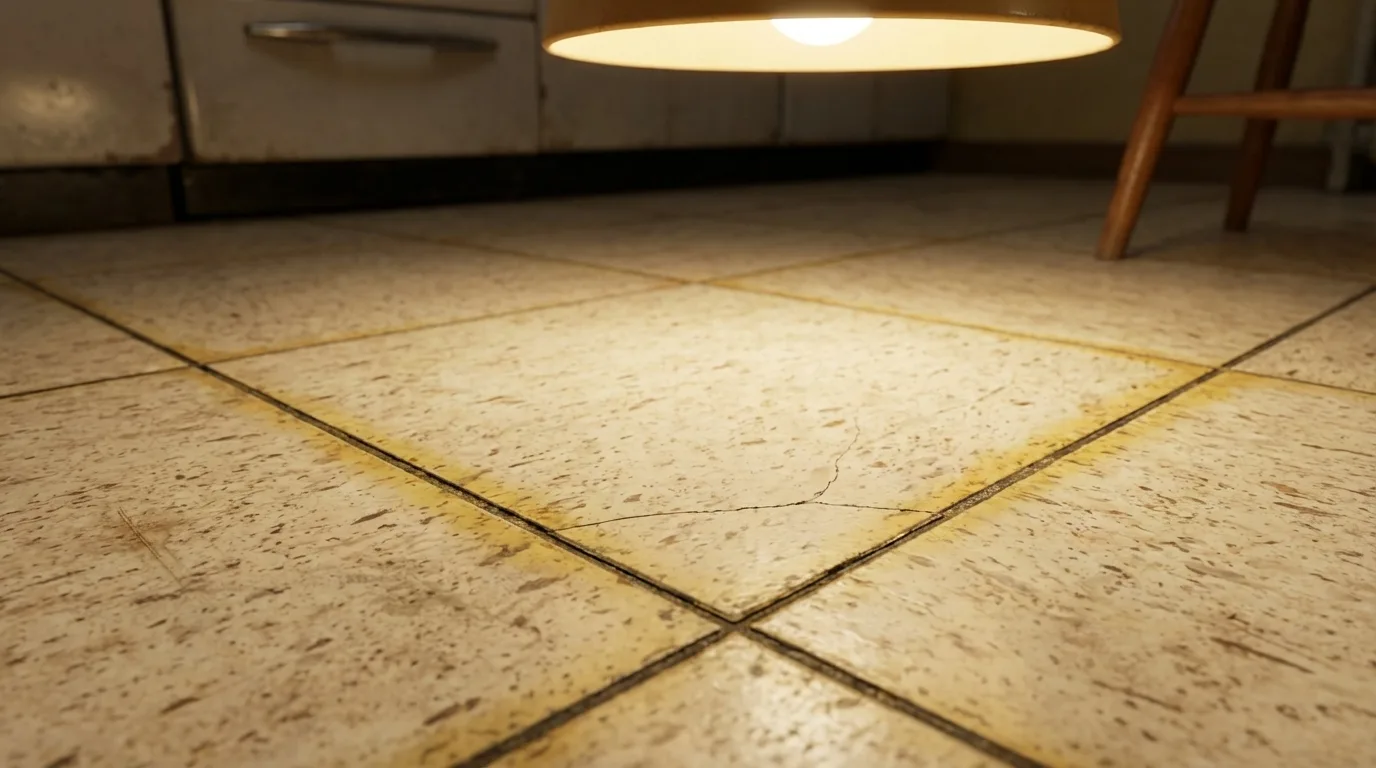
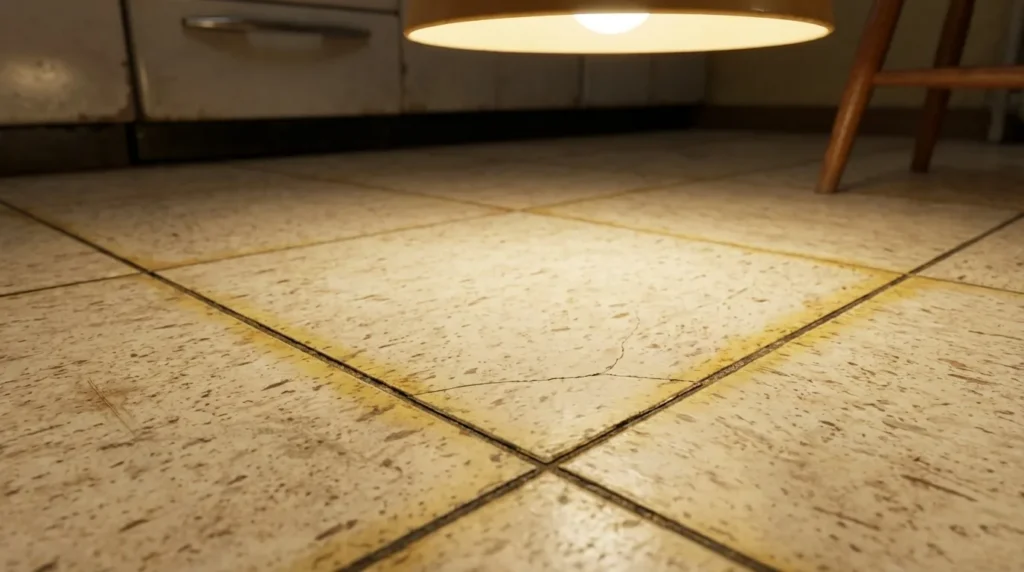
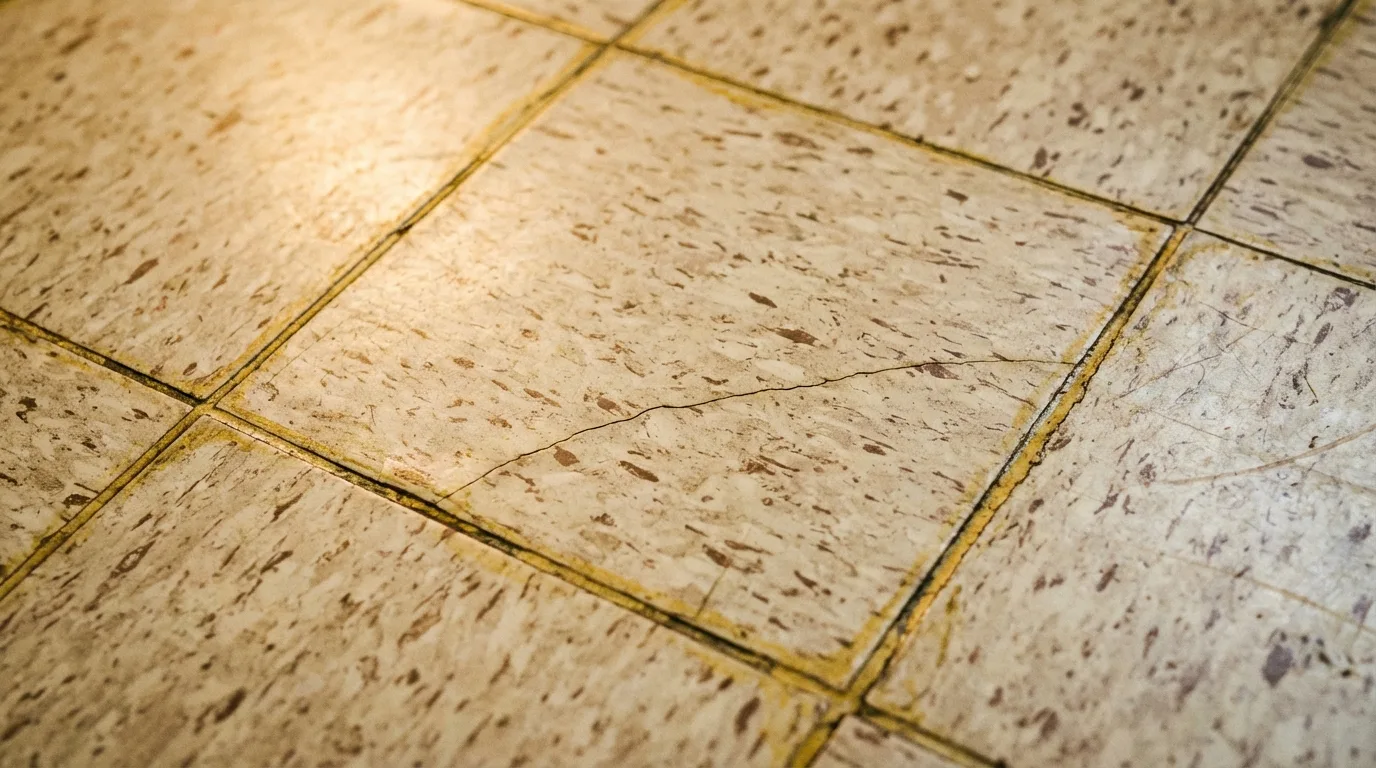
In kitchens and main living areas, asbestos floor tiles typically present as 9×9 inch squares in a cream, beige, tan, or light gray base color with a speckled or marbled pattern. The speckling — small flecks of contrasting color distributed through the tile body — is a hallmark of the manufacturing process used for vinyl asbestos tiles. Common colors found in pre-1970 Long Island homes include:
Cream and beige — the most common kitchen tile color from the 1950s through early 1960s, typically with brown, tan, or gray flecking. Black and gray checkerboard — widely used in basements and utility areas from the late 1950s through the 1970s. Green or teal speckle — common in 1960s kitchens and bathrooms. Maroon or burgundy — used in formal areas and some basement rec rooms. All of these color profiles were produced as vinyl asbestos tile through the 1970s.
Intact vs. Disturbed: What the Difference Looks Like
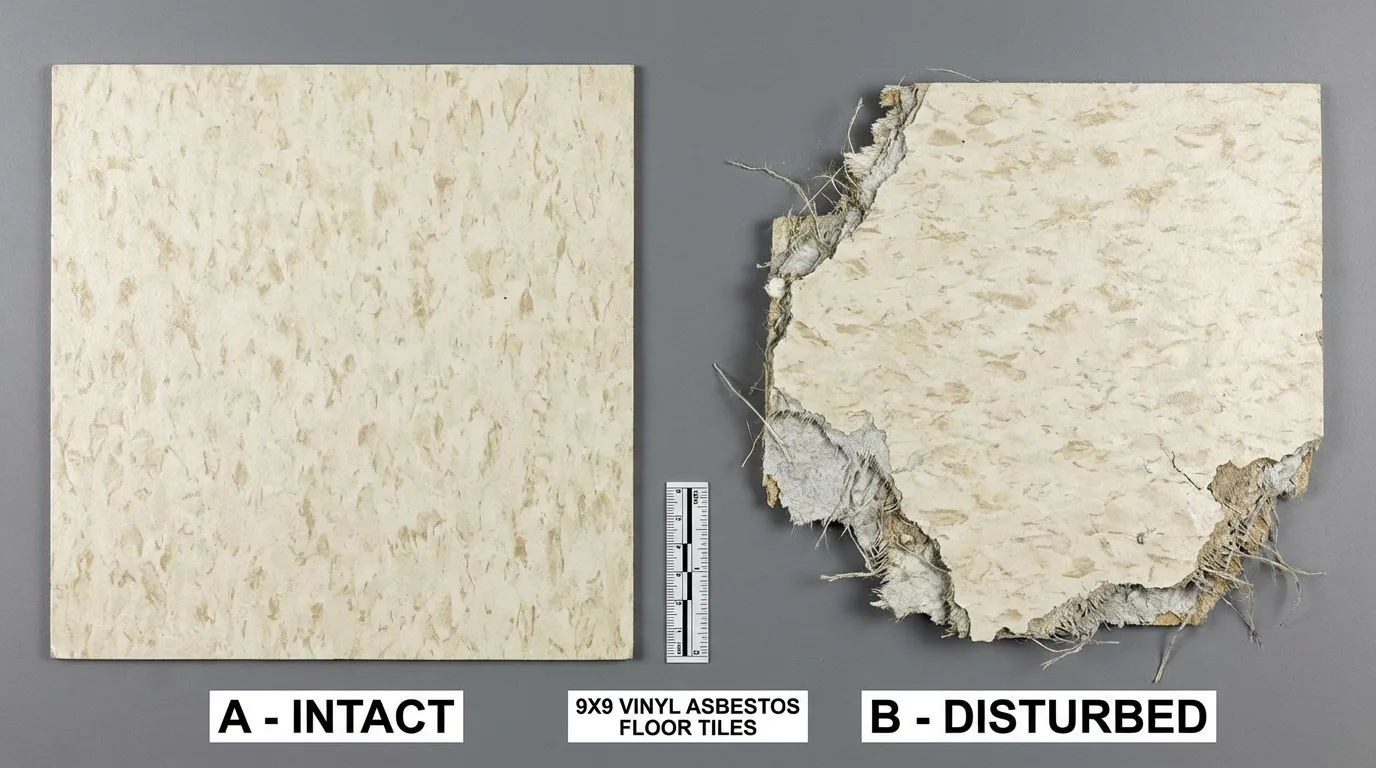
The comparison image above is the most important identification reference in this guide. An intact asbestos floor tile looks completely ordinary — it has no external indication of its hazardous content. The danger only becomes apparent when the tile is broken, cut, sanded, or drilled, at which point the fibrous mineral binder is exposed and can become airborne.
This is why the standard renovation sequence — rip up the old floor, sand down the subfloor, install new material — is so hazardous in pre-1980 Long Island homes. Every step of that sequence disturbs asbestos-containing material. Under NYS 12 NYCRR Part 56, this work requires a licensed asbestos abatement contractor, not a general contractor or flooring installer.
The Black Mastic: A Second Asbestos Hazard Under the Tile
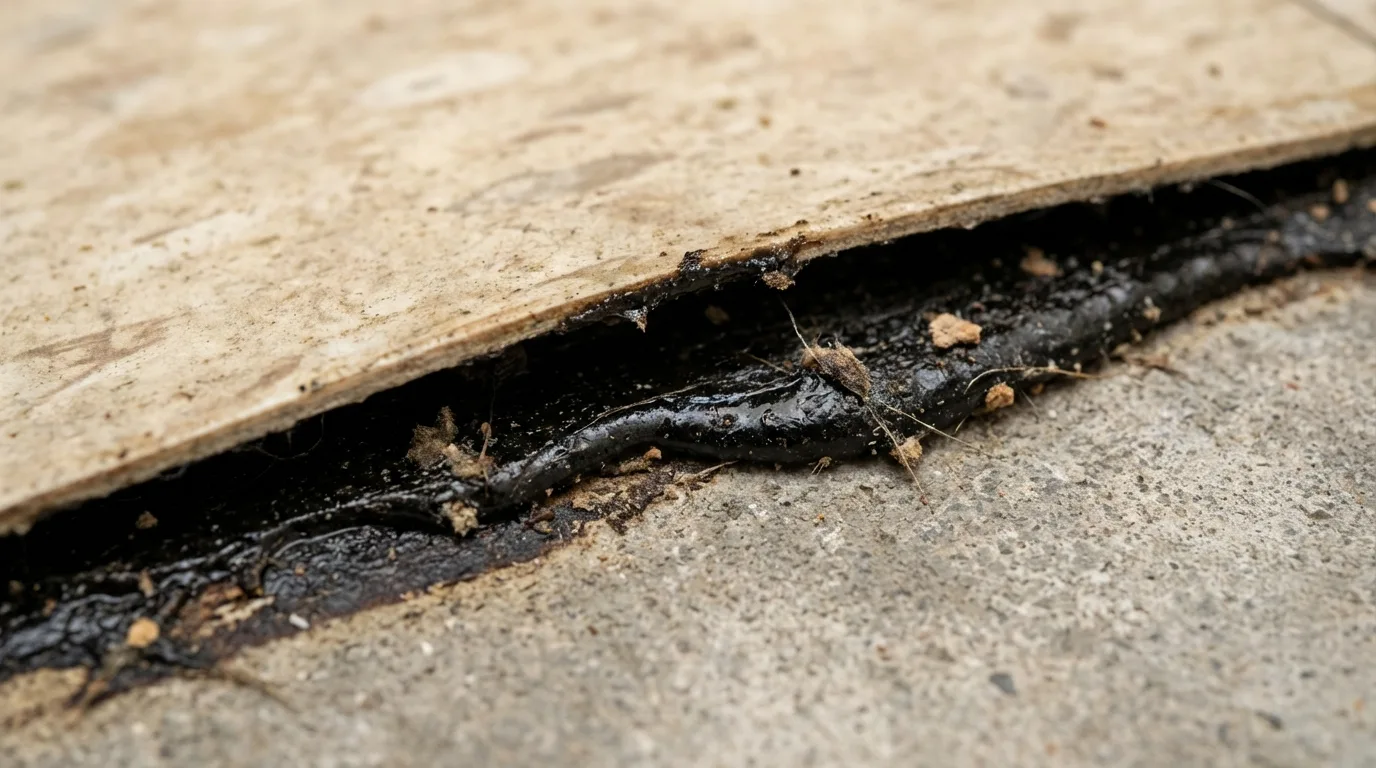
Most homeowners focus on the tiles themselves, but the black adhesive underneath — called cutback mastic — is a second asbestos-containing material that is often overlooked. Cutback mastic was the standard adhesive for vinyl asbestos tile installation from the 1950s through the 1970s, and it contains asbestos in the same way the tiles do.
Black cutback mastic has a distinctive appearance: a thick, tar-like black layer adhered to the concrete subfloor. When dried and aged, it develops a cracked surface. When wet or fresh, it is sticky and pliable. If you lift a tile in a pre-1980 Long Island home and see this black adhesive, the mastic should be tested separately from the tile — both may need abatement, and the abatement scope must cover both layers.
The Long Island Basement: Where Asbestos Floor Tiles Are Most Often Discovered
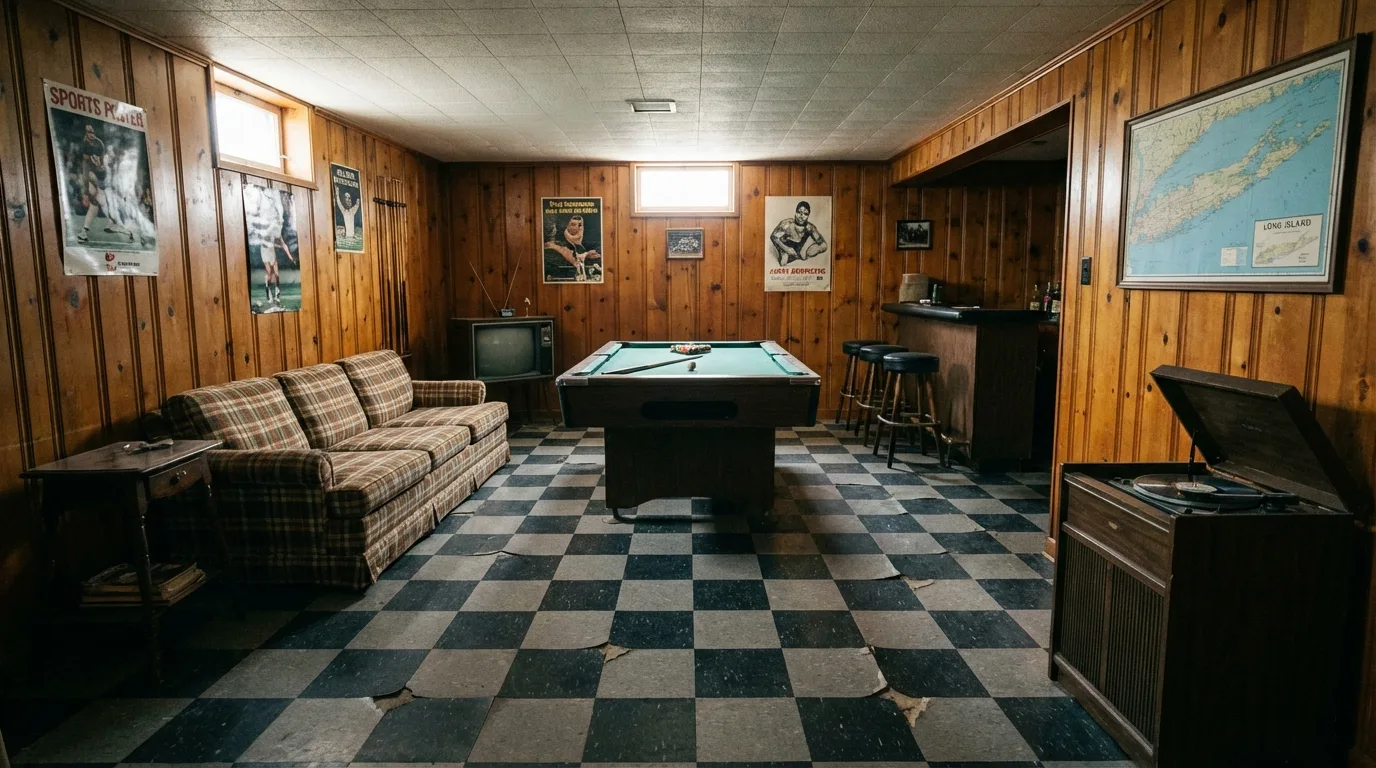
The finished basement rec room is the single most common location where Upper Restoration’s teams encounter asbestos floor tiles on Long Island. Built out across Nassau and Suffolk County from the mid-1950s through the 1970s, these spaces were finished with vinyl asbestos tile as the standard floor material. The checkerboard black-and-gray or black-and-white pattern is the most frequently encountered configuration.
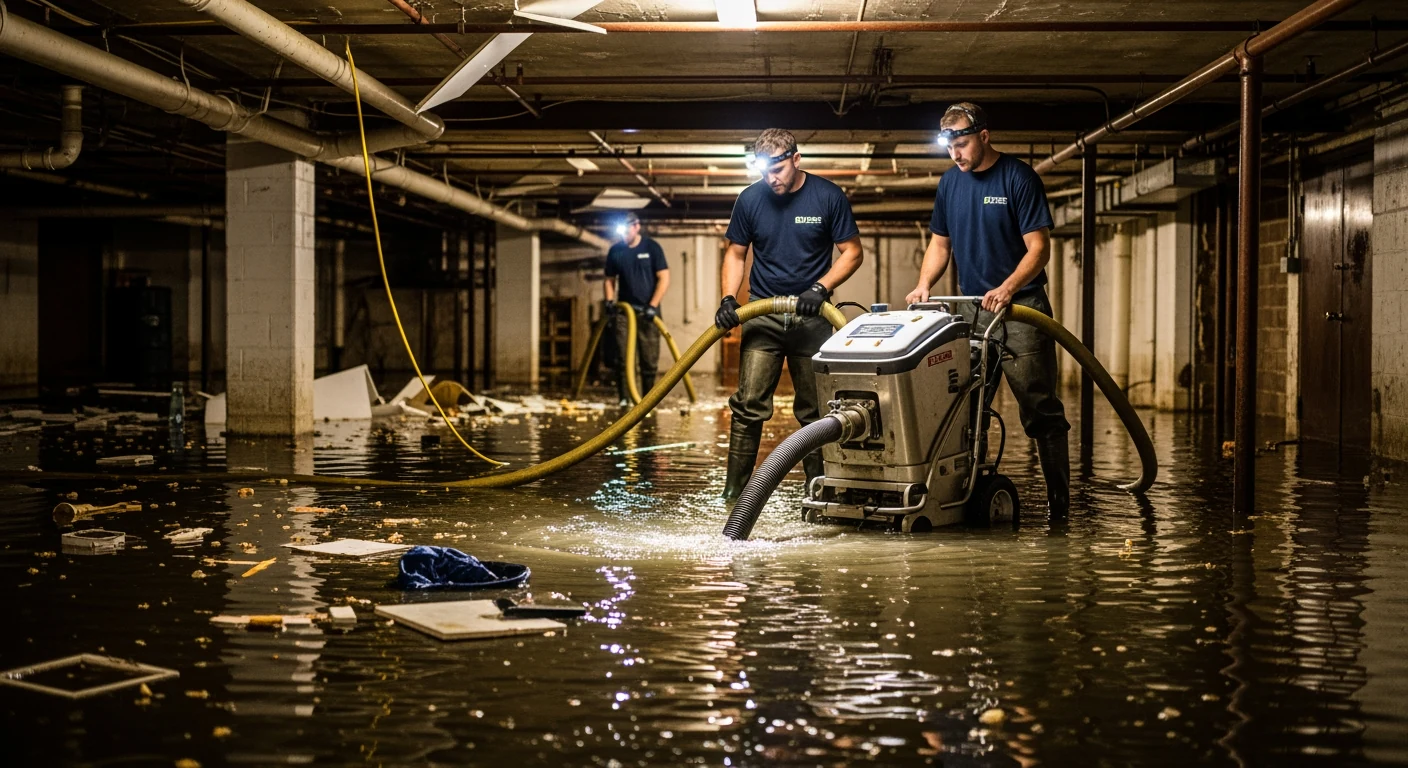
Basement asbestos floor tiles are typically in worse condition than kitchen tiles because basements experience more moisture fluctuation. Seasonal humidity, minor flooding, and temperature cycling cause the tiles to expand and contract, eventually cracking and lifting at the corners. A lifted or cracked tile in a basement floor is a friable asbestos condition — the material is no longer fully contained and can release fibers with foot traffic or air movement.
Worn and Damaged Tiles: The Highest-Risk Condition
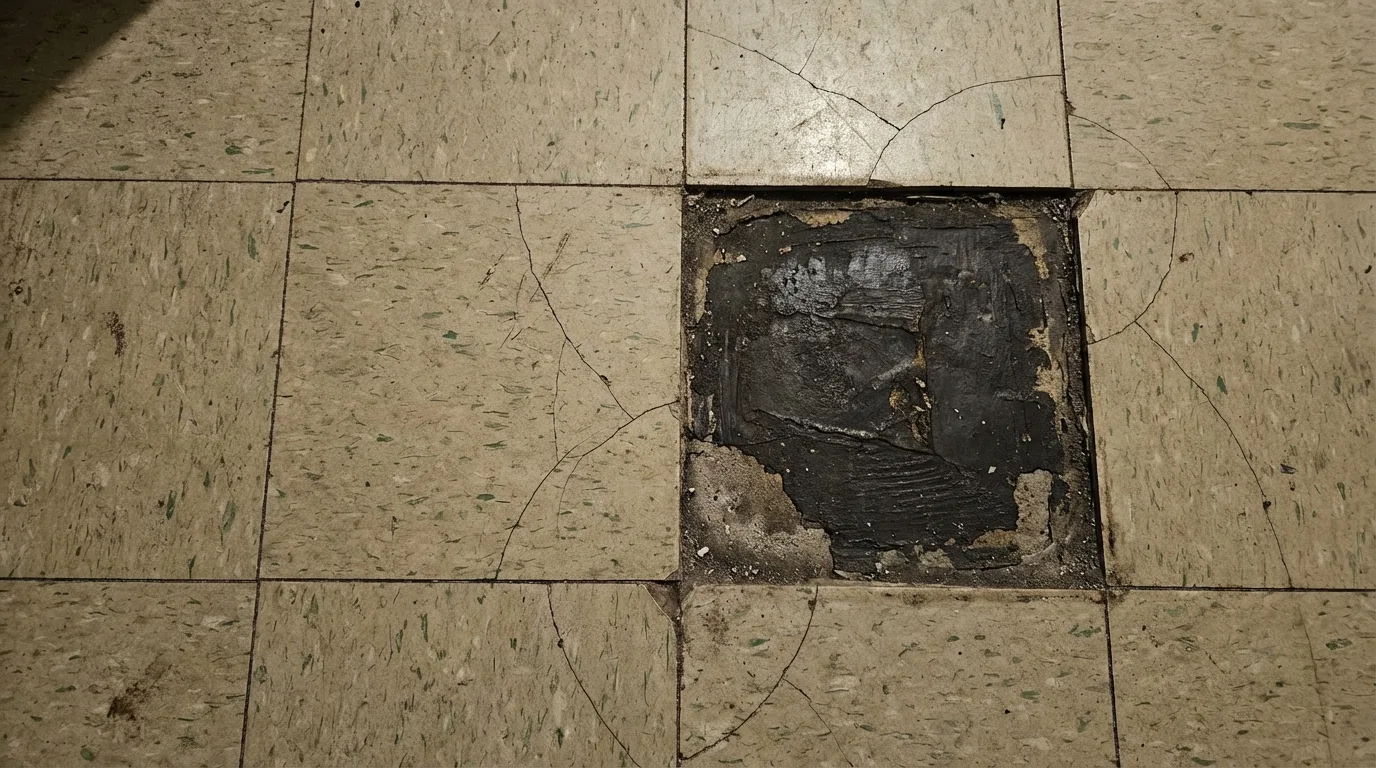
Heavily worn asbestos floor tiles with cracking across the surface and missing tiles exposing the black mastic below represent the highest-risk floor condition in residential asbestos management. The cracking you see in the image above — running across multiple tiles, radiating from stress points — is not merely cosmetic. Each crack is a break in the tile body that exposes the asbestos fiber matrix.
The green fiber flecks visible in this tile pattern are particularly useful for identification. Many 1960s vinyl asbestos tiles used green chrysotile asbestos fibers as part of the decorative speckle pattern — the green color you see is the asbestos itself embedded in the tile surface. This pattern appears on thousands of Long Island homes.
Long Island Housing Stock: Where to Look
Asbestos floor tiles are most concentrated in Long Island homes built or significantly renovated between 1950 and 1978. The highest-density areas are the postwar developments in Nassau County — Levittown, Hicksville, Westbury, Hempstead, Valley Stream — where entire subdivisions were built in the 1950s and 1960s using vinyl asbestos tile as the standard floor material in kitchens and basements. In Suffolk County, similar concentrations exist in Babylon, Islip, Smithtown, and Huntington townships, particularly in split-level and ranch homes built 1955–1970.
Pre-war homes in established communities — Great Neck, Garden City, Rockville Centre — often have asbestos tiles installed as renovations over original hardwood, adding a layer of complication: the original hardwood may be intact under the asbestos tile, and proper abatement requires protecting it while removing the tile and mastic.
What To Do If You Find Asbestos Floor Tiles
If the tiles are intact — no cracks, no lifting, no missing tiles — the immediate risk is low. Do not sand, scrape, drill, or attempt to remove them. Intact asbestos tiles can often be safely covered with new flooring as a temporary measure, though this does not eliminate the material. Any future renovation that requires removing the floor will still require licensed abatement.
If the tiles are cracked, lifting, or missing — treat the floor as an active hazard. Restrict foot traffic in the area, avoid using fans or HVAC that draws air across the floor, and schedule a professional assessment. Upper Restoration conducts asbestos floor tile testing and abatement across all of Nassau and Suffolk County and the five boroughs. See our full asbestos removal cost guide for Long Island and NYC 2026 pricing, or schedule a free consultation. For a complete overview of our services, see our Long Island asbestos abatement page.
Frequently Asked Questions: Asbestos Floor Tiles
How do I know if my floor tiles are 9×9 asbestos tiles?
Measure the tiles. If they are 9 inches by 9 inches, the probability of asbestos content is very high for any tile installed before 1980. Visual indicators include a speckled or marbled pattern in cream, beige, black, green, or maroon tones. The only definitive confirmation is laboratory testing of a sample collected by a licensed professional.
Can I cover asbestos floor tiles with new flooring?
In many cases, intact asbestos floor tiles can be covered with new flooring without abatement, provided the tiles are not cracked, lifted, or damaged. This is a valid temporary approach, but the asbestos remains in the home and any future renovation requiring floor removal will require licensed abatement. Consult a NYS-licensed asbestos contractor before proceeding.
Is the black adhesive under floor tiles also asbestos?
Yes, frequently. Black cutback mastic adhesive used for vinyl asbestos tile installation through the 1970s often contains asbestos. Both the tile and the mastic should be tested separately, and abatement scope should cover both materials if either tests positive.
How much does asbestos floor tile removal cost on Long Island?
Asbestos floor tile removal on Long Island typically ranges from $3 to $8 per square foot for tile removal, with an additional $2 to $5 per square foot if mastic removal is required. A typical 200 square foot basement or kitchen runs $1,000 to $2,600 for tile only, or $2,000 to $5,000 including mastic removal and post-abatement air clearance testing. See our full asbestos removal cost guide for 2026 pricing.
Can a flooring contractor remove asbestos floor tiles?
No. In New York State, removal of asbestos-containing floor tiles requires a contractor licensed under NYS 12 NYCRR Part 56. A flooring contractor who removes asbestos tiles without proper licensing and containment is violating state law, and the homeowner may bear liability for an unlicensed abatement.
What do the green flecks in my floor tiles mean?
Green flecks in vinyl floor tiles from the 1950s-1970s are often chrysotile asbestos fibers used as part of the decorative pattern. This is a strong visual indicator that the tile contains asbestos. Do not sand or scrape tiles with green fiber flecks — have them tested by a licensed asbestos professional.