New York City’s housing stock is older than most American cities. Pre-war buildings — brownstones in Brooklyn, co-ops on the Upper West Side, colonials across Long Island’s Nassau and Suffolk counties — share construction characteristics that make them particularly vulnerable to black mold growth.
The combination of plaster walls, limited vapor barriers, aging plumbing, and the humidity that comes with proximity to the coast creates an environment where mold can establish itself inside wall cavities, beneath bathroom tiles, and in basements long before anyone sees a visible sign.
Knowing what to look for is the first line of defense. 247 Restoration Specialists’ guide to identifying black mold through five forensic signs outlines the indicators that distinguish black mold from harmless surface mildew — including the musty smell that precedes visible growth, the specific patterns mold creates on different materials, and the health symptoms that often appear before homeowners realize they have a problem.
In New York specifically, certain building features elevate the risk. Steam heating systems, which are standard in pre-war buildings, create condensation on cold exterior walls during winter months. That moisture wicks into plaster and builds up behind paint, feeding mold colonies that grow invisibly for months or years. By the time dark spots appear on a wall surface, the growth behind it is typically far more extensive.
Bathrooms in older buildings present another common scenario. Cast iron drain pipes corrode over decades, creating slow leaks that saturate subfloors and wall framing. Tile grout in pre-war bathrooms was not designed with modern waterproofing standards, which means shower walls that look intact can be channeling water into the structure behind them.
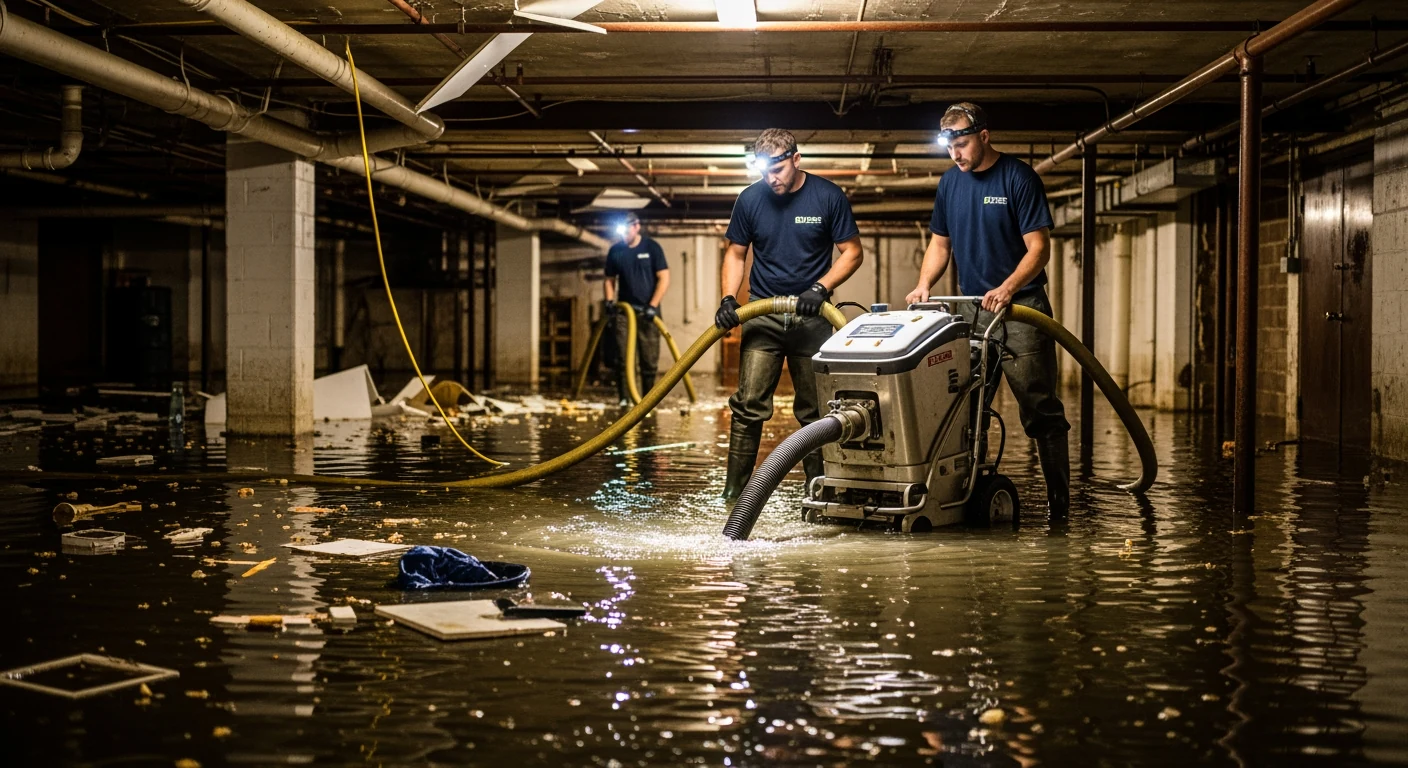
Long Island homes face a related but different set of conditions. Coastal humidity in Nassau and Suffolk counties keeps indoor relative humidity elevated throughout summer, and many homes built before 1970 lack the insulation and ventilation that modern construction uses to manage moisture. Finished basements in these homes are particularly high-risk — the combination of below-grade walls, limited air circulation, and seasonal humidity creates ideal mold conditions.
The health dimension makes early detection especially important. Black mold — specifically Stachybotrys chartarum — produces mycotoxins that can cause respiratory symptoms, persistent headaches, and fatigue. In a city where most people spend significant time indoors, prolonged exposure in a home or apartment can create chronic health issues that are easy to attribute to other causes.
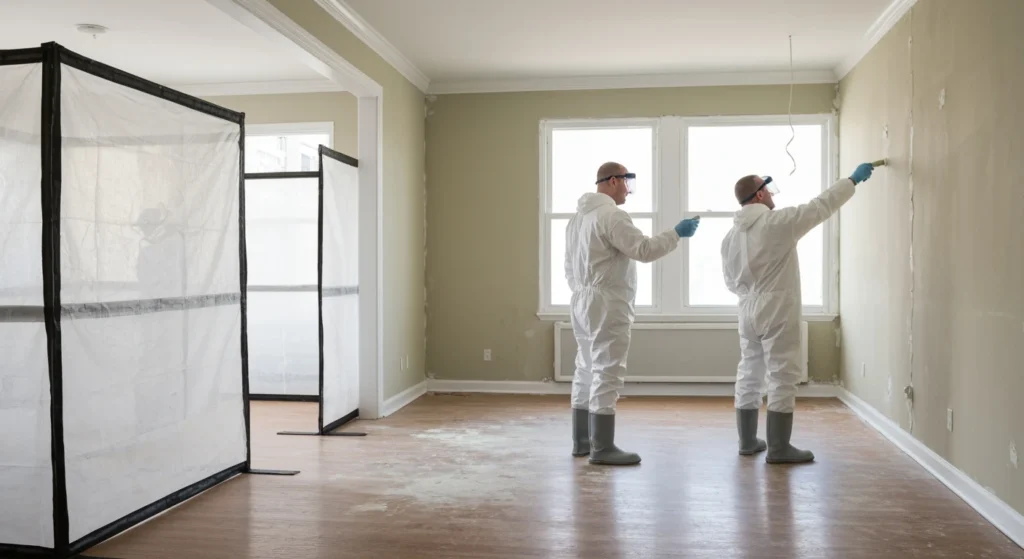
If you suspect black mold in a New York property, the response should be professional assessment rather than DIY remediation. Disturbing an established mold colony without proper containment can release spores throughout the building, turning a localized problem into a building-wide contamination. Professional mold inspectors use moisture meters, infrared cameras, and air sampling to map the full extent of growth before remediation begins.
For NYC and Long Island homeowners, the takeaway is straightforward: the age and construction of your building puts you at elevated risk. Understanding the signs of black mold — and acting on them early — protects both your health and your property value.