Long Island is home to over 120 public school districts and hundreds of private and parochial schools — many housed in buildings constructed during the asbestos era of the 1950s through 1970s. The Asbestos Hazard Emergency Response Act (AHERA) imposes the strictest asbestos management requirements of any federal regulation, and every school on Long Island must comply.
Why Long Island Schools Face Significant Asbestos Challenges
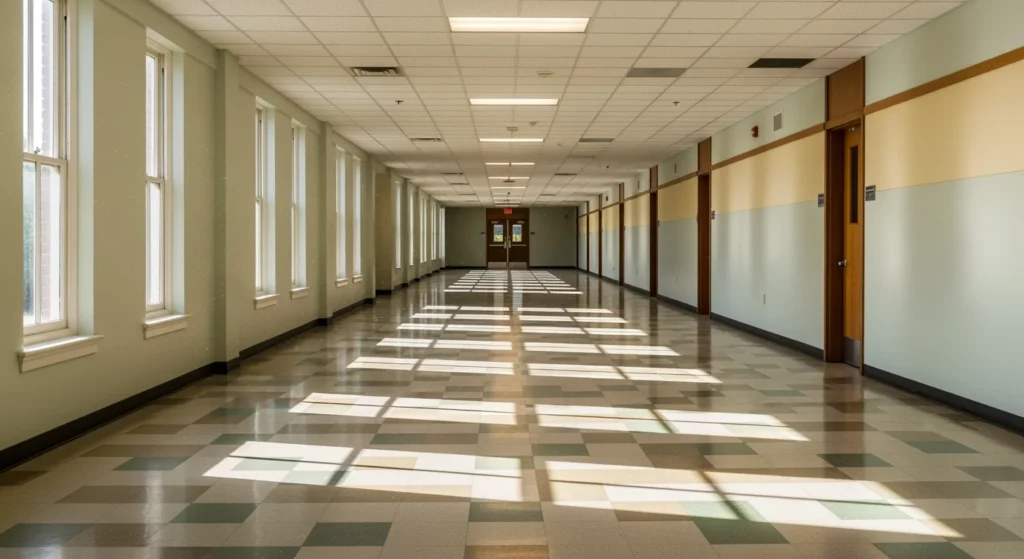
The suburban expansion of Nassau and Suffolk Counties in the postwar decades produced an enormous volume of school construction using asbestos-containing materials. Floor tiles, ceiling tiles, pipe insulation, boiler room materials, and spray-applied fireproofing in these buildings remain in place decades later. Many Long Island school buildings are now 50-70 years old, and the aging of these materials increases the urgency of proper management and abatement.
AHERA Requirements for Long Island School Districts
Initial inspection. Every school building must have been inspected by an EPA-accredited asbestos inspector to identify all friable and non-friable ACMs. This initial inspection should have been completed by October 1988 under the original AHERA timeline.
Management plan. Each school must maintain a written asbestos management plan that documents all ACMs, their location and condition, the response action selected for each material (repair, encapsulation, enclosure, or removal), a schedule for re-inspection and surveillance, and procedures for informing maintenance staff and parents. The management plan must be available to parents, teachers, and employees upon request.
Triennial re-inspection. Every three years, an EPA-accredited inspector must re-inspect all known and assumed ACMs, assess changes in condition, and update the management plan. Between re-inspections, a trained designated person must conduct periodic surveillance every six months.
Response actions. When ACMs are damaged or will be disturbed by renovation, AHERA requires one of four response actions: repair (sealing minor damage), encapsulation (coating with sealant), enclosure (installing an airtight barrier), or removal (complete abatement by accredited workers). The management planner selects the appropriate action based on material condition, location, and building plans.
Asbestos Removal in Schools: Scheduling and Safety
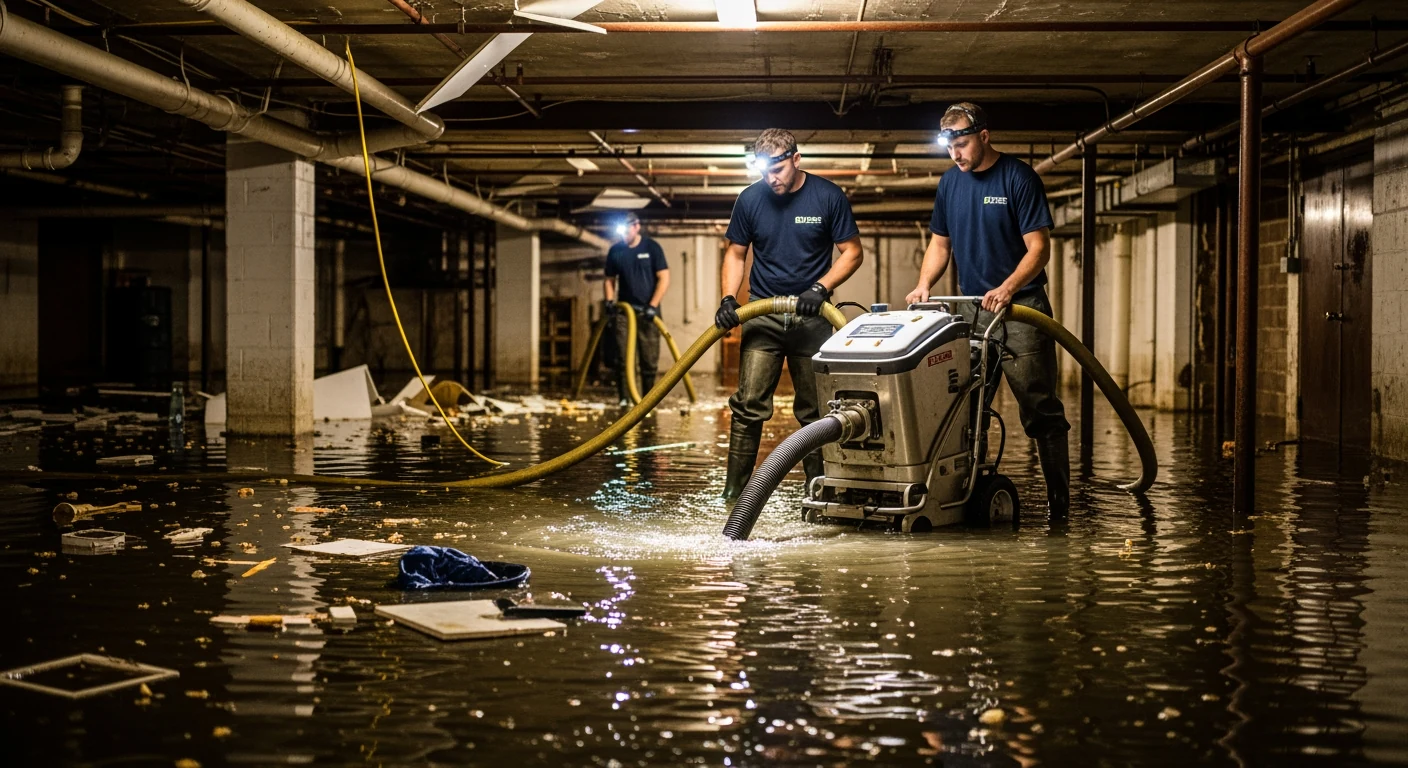
School asbestos abatement on Long Island is overwhelmingly performed during summer breaks when buildings are unoccupied. This scheduling provides the longest continuous work window, eliminates student exposure risk, and allows thorough clearance testing before the school year begins. When emergency abatement is required during the school year — typically after a pipe break, ceiling collapse, or maintenance accident — the affected area is sealed, students and staff are relocated, and abatement proceeds under enhanced containment with continuous air monitoring.
Funding School Asbestos Abatement on Long Island
School districts fund asbestos abatement through capital improvement bonds and operating budgets. New York State Building Aid reimburses a percentage of approved capital construction expenses, including asbestos abatement, based on the district’s wealth ratio. Federal EPA grants through the Asbestos School Hazard Abatement Reauthorization Act (ASHARA) have historically provided additional funding, though availability varies by year.
Upper Restoration’s School Asbestos Services on Long Island
Upper Restoration provides AHERA-compliant asbestos abatement services to Long Island school districts, charter schools, and private educational institutions. Our licensed crews work within the constraints of academic calendars, deliver projects during summer and holiday windows, and provide the documentation school administrators need for management plan updates and regulatory compliance across Nassau and Suffolk Counties.