Fire Damage Restoration in Queens and Brooklyn
Fire damage restoration in Queens and Brooklyn requires specialized expertise in handling the unique challenges of NYC’s dense urban environment, shared buildings, and strict fire codes. Fires in row houses, brownstones, and apartment buildings spread rapidly, affecting multiple units and creating complex liability, insurance, and regulatory issues. This guide covers fire damage restoration specific to Queens and Brooklyn, including common fire causes in NYC housing, FDNY clearance processes, NYC building codes, tenant vs. landlord responsibilities, smoke damage remediation, adjacent unit damage, and choosing the right restoration partner for complete recovery.
Common Fire Causes in NYC Row Houses and Apartments
Queens and Brooklyn contain thousands of row houses, brownstones, and pre-war apartments built with materials and designs that increase fire risk and spread potential.
Electrical Fires: Outdated electrical systems in older homes (60–100+ years old) overheat due to increased modern appliance loads. Faulty wiring, overloaded circuits, and aging outlets create fire risk. According to the NFPA, electrical and lighting equipment cause approximately 20% of home structure fires.
Kitchen Fires: Unattended cooking, grease fires, and malfunctioning appliances cause the majority of residential fires. Apartment kitchens with limited ventilation and shared walls allow fires to spread rapidly to neighboring units.
Heating Equipment Fires: Space heaters, fireplaces, and wood stoves improperly maintained or placed near combustibles ignite fires. Winter heating season (November–March) sees increased heating-related fire incidents across Queens and Brooklyn.
Candle and Smoking Fires: Unattended candles and smoking materials represent a significant fire cause in NYC homes. Children and pets accessing smoking materials also contribute to fire incidents.
Gas Explosions: Natural gas leaks from aging infrastructure in Queens and Brooklyn cause explosions and fires. Improper gas appliance installation or maintenance creates explosion risk. Recent years have seen major gas explosions in NYC neighborhoods, highlighting the ongoing risk.
Fire Spread in Multi-Unit Buildings: Adjacent Unit Damage and Liability
A fire starting in one Queens or Brooklyn apartment or row house unit spreads to adjacent units through shared walls, floors, HVAC systems, and utility chases. This creates complex liability and restoration challenges.
Fire Spread Mechanisms:
- Shared party walls: Fire penetrates masonry or wood-frame party walls, igniting insulation and framing in adjacent units
- Vertical spread through chases: Utility pipes and electrical conduits run through vertical chases, allowing fire to climb from lower to upper floors or units
- HVAC systems: Shared heating and air systems in apartment buildings distribute smoke and flame to adjacent units
- Gaps and penetrations: Inadequate fireproofing at utility penetrations allows fire passage between units
Adjacent Unit Damage: Neighboring units experience smoke damage, heat damage, water damage from firefighting efforts, and potential structural damage. Insurance liability becomes complex when the fire originates in a neighboring unit.
Liability and Insurance: The unit where the fire originated often bears liability for adjacent unit damage, creating disputes between insurance companies. NYC law generally holds the fire-originating unit’s insurance responsible for damage to adjacent units, though negligence factors complicate determination.
Understanding liability allocation is critical for residents in multi-unit buildings. Condo associations and co-op boards should maintain master insurance covering adjacent unit damage.
FDNY Clearance Process for Fire-Damaged Properties
After Queens and Brooklyn fire departments extinguish a fire, FDNY must inspect the property and issue clearance before occupancy restoration begins. This process involves specific regulations and documentation.
FDNY Inspection and Report: FDNY fire marshals conduct fire scene investigation, document burn patterns and origin, and issue an incident report. The report documents the fire cause, structural safety assessment, and whether the building is safe for occupancy or repair.
Certification of Occupancy (CO): Before residents can re-enter a fire-damaged dwelling, NYC Department of Buildings must issue a new Certificate of Occupancy confirming the structure is safe and meets all building codes. Significant fire damage requires comprehensive rebuilding and multiple inspections before CO issuance.
Building Code Compliance: All fire damage repairs must meet current NYC Building Code. Damaged electrical systems must be rewired to modern standards. Fire-rated walls must be restored to original specifications. Compliance ensures the building meets modern safety standards and prevents future fire incidents.
Timeline for FDNY Clearance: Straightforward cases may receive clearance within days. Complex fires or those affecting building structure may take weeks for investigation completion and building department review.
NYC Building Codes and Fire Safety Requirements
NYC Building Code Section 302 (Fire-Resistance Ratings) and Section 706 (Fire Walls) establish stringent fire safety requirements particularly relevant to Queens and Brooklyn’s dense residential areas.
Fire-Rated Construction Requirements:
- Party walls between row houses must achieve 2-hour fire rating (fire-resistant construction preventing flame passage for 2 hours)
- Floor/ceiling assemblies in multi-story buildings must meet 1-hour or 2-hour ratings depending on building type
- Fire-rated doors and frames must be installed at utility penetrations and common areas
- Sprinkler systems required in certain building types and floor levels
Restoration Compliance: Professional fire damage restoration must restore fire-rated components to original specifications. Drywall replacement must use fire-rated materials. Electrical and HVAC systems must comply with current codes. Failure to meet code requirements prevents Certificate of Occupancy issuance and creates liability for future incidents.
Fire Damage Restoration Costs in Queens and Brooklyn
Fire damage restoration costs vary dramatically based on fire extent, building type, and adjacent unit involvement. NYC labor rates and regulatory compliance add premium costs compared to national averages.
Limited Fire Damage (single room, minor structural impact): $5,000–$20,000
- Contents loss and cleanup
- Drywall and minor framing repair
- Electrical system assessment and repair
- Smoke remediation
Moderate Fire Damage (multiple rooms, structural component damage): $20,000–$75,000
- Contents loss and professional content cleaning
- Significant drywall and framing replacement
- Electrical system rewiring to modern code
- HVAC system replacement or restoration
- Plumbing damage assessment and repair
Severe Fire Damage (full structure or adjacent units affected): $75,000–$300,000+
- Gut renovation and complete rebuilding
- Structural reinforcement or replacement
- Full electrical rewiring to modern code
- HVAC, plumbing, and mechanical system replacement
- Adjacent unit restoration (if applicable)
- FDNY and DOB compliance and permitting
Additional Costs:
- Professional mold remediation if water damage from firefighting is extensive: $2,000–$15,000
- Asbestos abatement (older buildings): $5,000–$50,000
- Lead paint remediation (pre-1978 buildings): $3,000–$20,000
- Building permits and inspections: $500–$5,000
- Temporary housing during restoration (if necessary): $2,000–$10,000/month
Homeowners insurance typically covers fire damage restoration, though high deductibles ($500–$5,000) and coverage limits may require out-of-pocket costs. Detailed damage documentation maximizes insurance recovery.
Tenant vs. Landlord Responsibilities in Fire-Damaged NYC Buildings
New York tenant law establishes clear responsibilities for fire damage recovery between tenants and landlords.
Landlord Responsibilities:
- Maintain the building in code-compliant condition to prevent fire hazards
- Restore structural components, building systems (electrical, plumbing, HVAC), and common areas
- Provide temporary housing if the unit is uninhabitable during restoration
- Maintain property and liability insurance covering fire damage
- Meet NYC Building Code requirements and obtain Certificates of Occupancy
Tenant Responsibilities:
- Maintain renter’s insurance covering personal property and contents loss
- Report fire hazards (faulty wiring, blocked vents) to the landlord promptly
- Maintain fire safety practices (proper use of cooking, heating, electrical appliances)
- If tenant negligence caused the fire, potential liability for adjacent unit damage
Tenant Rights After Fire Damage:
- Right to occupancy if building is habitable following fire damage
- Right to rent reduction or abatement if unit is uninhabitable during restoration
- Right to temporary housing paid by landlord during restoration
- Right to break lease without penalty if landlord fails to restore habitability within reasonable timeframe
Disputes over landlord-tenant fire damage responsibilities should be resolved through NYC Housing Authority or tenant legal counsel.
Smoke Damage in Multi-Unit Buildings
Smoke damage extends far beyond the fire’s origin, affecting adjacent units and common areas. Professional smoke remediation requires specialized techniques and equipment.
Smoke Damage Types:
- Dry smoke: Fast-burning fires produce light, thin smoke that travels easily but deposits minimally. Dry smoke damage requires standard cleaning rather than replacement of contents.
- Wet smoke: Slow-burning, oxygen-depleted fires produce heavy, sticky residue. Wet smoke damage is harder to clean and often requires item replacement rather than restoration.
- Protein smoke: Fires from fats, cooking oils, and biological materials produce invisible, acrid smoke. Protein smoke requires specialized enzymatic cleaners and thorough ventilation to eliminate odors.
Multi-Unit Smoke Remediation: Smoke from one apartment spreads through HVAC systems, electrical chases, and ceiling gaps to adjacent units. Professional smoke remediation includes:
- HVAC system decontamination or replacement
- Ductwork inspection and cleaning
- Ceiling and wall cavity smoke removal (may require drywall removal)
- HEPA air purification to eliminate airborne smoke particles
- Ozone treatment or thermal fogging to neutralize smoke odors
- Contents cleaning and odor neutralization
Incomplete smoke remediation leaves persistent odors and health impacts. Professional assessment ensures comprehensive treatment.
Professional Fire Damage Restoration Process
1. Initial Assessment and Safety: Professional teams assess fire extent, structural safety, and hazard identification (asbestos, lead paint, electrical hazards). Unsafe structures are documented and stabilized before restoration begins.
2. FDNY Coordination and Documentation: Restoration companies work with FDNY investigators, obtain incident reports, and document fire damage for insurance claims.
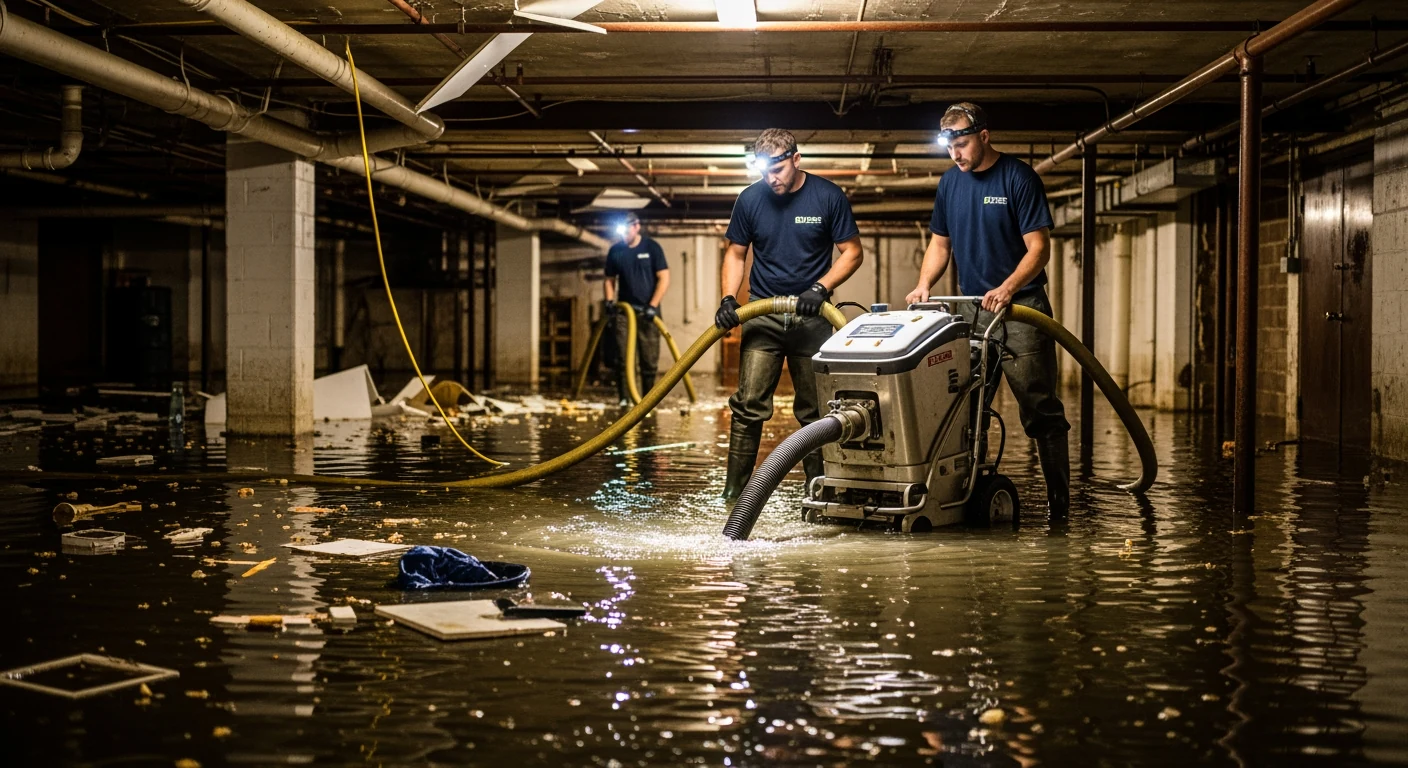
3. Water Damage Mitigation: Firefighting efforts introduce significant water damage. Professional extraction, dehumidification, and mold prevention prevent secondary water damage.
4. Structural Assessment and Repair: Licensed structural engineers assess bearing wall damage, floor integrity, and framing compromise. Damaged framing is replaced to code specifications.
5. Electrical System Restoration: Licensed electricians inspect electrical damage, assess code compliance of existing systems, and rewire the property to meet current NYC Building Code.
6. Mechanical System Replacement: Damaged HVAC, plumbing, and heating systems are replaced with modern, code-compliant equipment.
7. Smoke and Odor Remediation: Professional smoke removal includes HVAC decontamination, contents cleaning, and odor neutralization.
8. Interior Restoration and Permits: Drywall, flooring, and finishes are replaced to pre-fire condition. Building permits are obtained and inspections conducted by NYC Department of Buildings.
9. Certificate of Occupancy and Re-Entry: Upon inspection approval and code compliance verification, the property receives CO clearance and is safe for occupancy.
Frequently Asked Questions
How quickly can fire-damaged buildings be restored in Queens and Brooklyn?
Limited fire damage may be restored in 2–6 weeks. Moderate damage requires 3–6 months including permitting and inspections. Severe damage affecting structure or adjacent units may require 6–18 months for complete restoration, especially if asbestos or lead paint abatement is necessary.
Does insurance cover fire damage restoration in NYC apartments and row houses?
Homeowners insurance covers fire damage to the structure, though high deductibles may apply. Renters insurance covers tenants’ personal property. Condo associations and co-op boards should carry master insurance covering building structure and potentially adjacent unit damage.
What is the FDNY clearance process for fire-damaged properties?
FDNY fire marshals investigate the fire, document origin and cause, and issue a report. NYC Department of Buildings then reviews structural damage and code compliance. Once compliance is verified, DOB issues a Certificate of Occupancy allowing re-occupancy.
Who is liable for damage to adjacent units when fire spreads?
The unit where the fire originated typically bears liability for adjacent unit damage, unless the fire resulted from building maintenance failure (landlord responsibility). Insurance companies and the fire investigation determine fault and liability allocation. Complex cases often require legal determination.
How can I minimize smoke damage in my Queens or Brooklyn home?
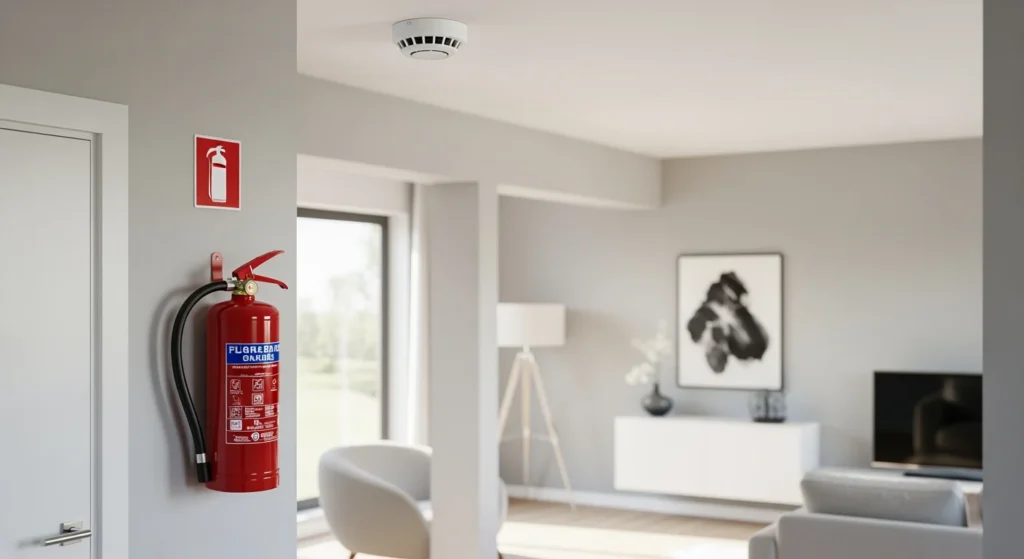
Install smoke detectors in all bedrooms and common areas, maintain HVAC systems with regular filter changes, use proper exhaust ventilation when cooking, keep electrical systems well-maintained, and never overload electrical circuits. Preventive fire safety reduces both fire risk and smoke damage potential.
Does fire damage affect property value in Queens and Brooklyn?
Properly restored fire-damaged properties return to pre-damage value. However, incomplete restoration, visible damage, or building history affecting insurability can impact future value. Complete professional restoration maintains property value and marketability.
What happens if landlord refuses to restore fire-damaged rental unit?
Tenants have the right to temporary housing paid by the landlord, rent abatement, and lease termination without penalty if the landlord fails to restore habitability within a reasonable timeframe. Contact NYC Housing Authority or tenant legal counsel if landlord refuses to remediate.
Conclusion: Professional Fire Damage Restoration in Queens and Brooklyn
Fire damage in Queens and Brooklyn requires specialized expertise in navigating NYC’s complex regulations, multi-unit building challenges, and building code compliance requirements. Whether your fire damage is limited to your unit or affects adjacent properties, professional restoration ensures complete recovery, insurance claim success, and code compliance for Certificate of Occupancy re-entry.
Upper Restoration provides expert fire damage restoration services in Queens, Brooklyn, and throughout NYC. Our team coordinates with FDNY, manages NYC Department of Buildings permitting, handles adjacent unit coordination, and delivers comprehensive restoration from structural repair through final interior finishes. We understand Queens and Brooklyn’s unique row house and apartment building challenges, and we deliver results that restore your property and your peace of mind.
Fire damage demands immediate professional response. Call Upper Restoration’s 24/7 emergency line for immediate fire damage restoration in Queens and Brooklyn. We serve all of NYC (all 5 boroughs), Long Island, and the tri-state area. Your recovery begins now.
About Upper Restoration
Upper Restoration is a full-service property restoration company serving New York City and Long Island. Licensed by the NYC Department of Labor for mold remediation and the NYC Department of Environmental Protection for asbestos abatement, Upper Restoration provides 24/7 emergency response for water damage, fire damage, mold contamination, asbestos hazards, and storm damage. Our IICRC-certified technicians serve all five NYC boroughs — Manhattan, Brooklyn, Queens, the Bronx, and Staten Island — as well as Nassau County and Suffolk County communities across Long Island.