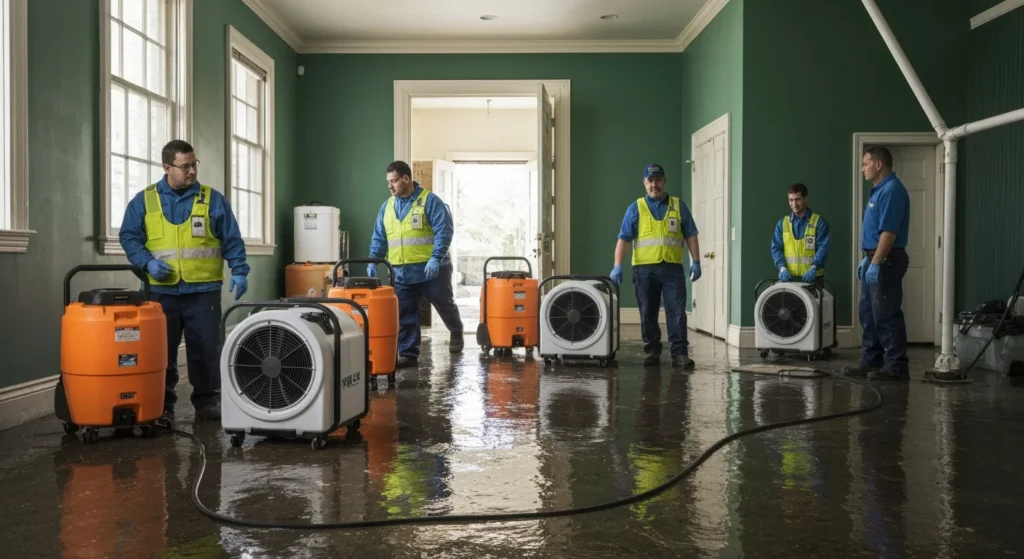
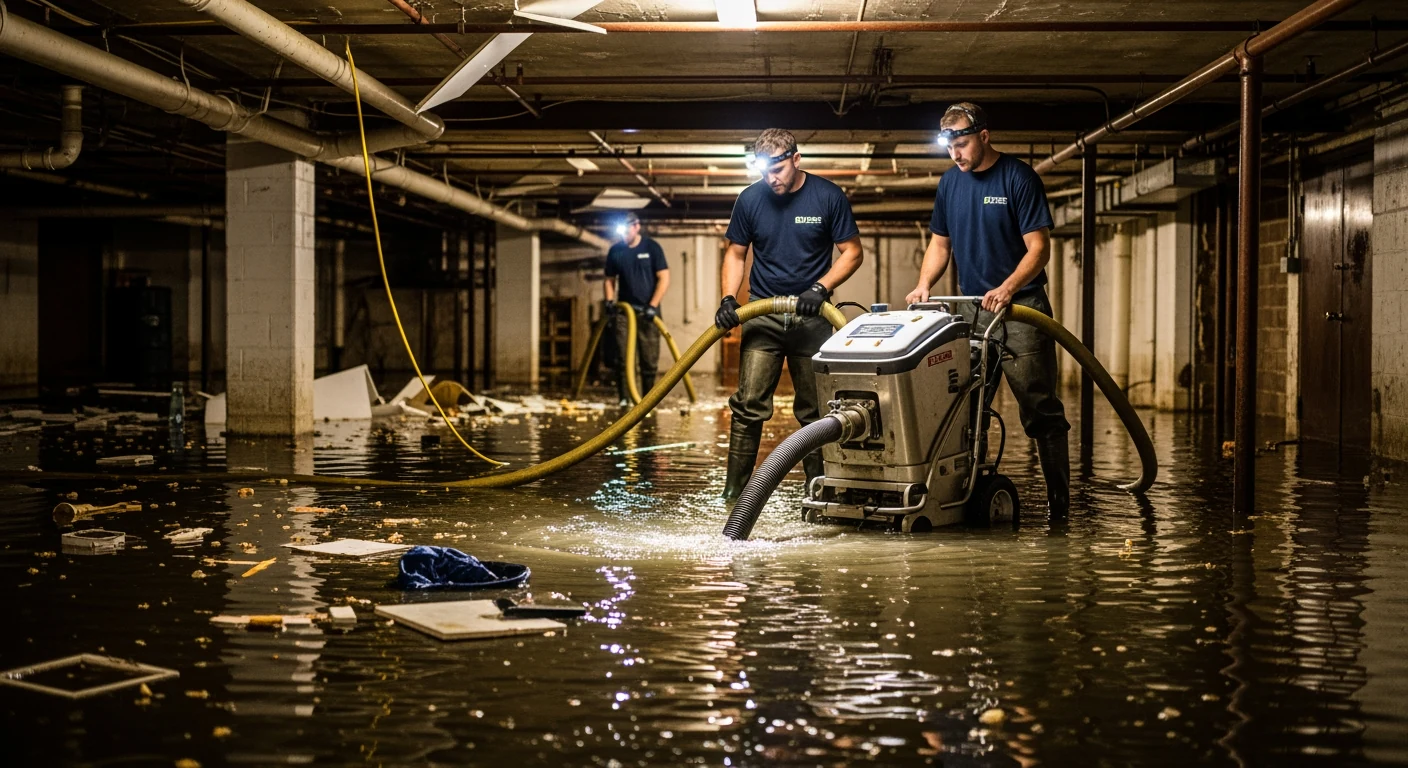
Long Island is one of the most flood-exposed housing markets in the country. Nassau and Suffolk counties contain thousands of properties in FEMA-designated Special Flood Hazard Areas, and many more that are technically outside the SFHA but experienced flooding during Superstorm Sandy, Irene, and the nor’easters that have become increasingly damaging. Understanding what your flood insurance actually covers before a flood occurs is one of the most important financial decisions a Long Island homeowner can make.
What NFIP Covers for Building Property
The NFIP building coverage covers the structure of your home up to the policy limit (maximum $250,000 for residential property). Covered building components include the foundation, electrical and plumbing systems, HVAC equipment, water heaters and major appliances installed as fixtures, permanently installed carpeting, wallboard, paneling, and cabinets. Detached garages are covered up to 10 percent of the building coverage limit. What is not covered: decks, patios, fences, hot tubs, swimming pools, and landscaping.
Contents Coverage: The Most Common Gap
NFIP contents coverage is purchased separately from building coverage and covers personal property up to $100,000. This sounds adequate until you inventory what is actually in a flooded home. Furniture, electronics, clothing, appliances not permanently installed, artwork, and valuables add up quickly. NFIP contents coverage also does not cover items stored in basements — one of the most common places flood-prone Long Island homeowners store belongings. This exclusion surprises many policyholders at claim time.
What NFIP Does Not Cover at All
NFIP does not cover additional living expenses when a flood makes your home uninhabitable. There is no coverage for the cost of temporary housing, restaurant meals, or other additional expenses during a displacement that can last weeks or months for significant flood losses. NFIP also does not cover financial losses caused by business interruption, vehicles, currency, precious metals, or property outside the insured building.
Supplemental Coverage Options
Private flood insurance policies and excess flood policies can fill the most significant NFIP gaps. Several carriers now offer private flood policies with higher coverage limits, basement contents coverage, and additional living expense benefits. Long Island homeowners in high-risk areas should review both their NFIP policy and available private market options with a licensed insurance advisor who specializes in flood-exposed properties.
Frequently Asked Questions
Is there a waiting period for NFIP coverage?
Yes. NFIP policies have a standard 30-day waiting period from purchase to coverage effective date. If a named storm is already forming or has been named, new NFIP applications may not be accepted. Do not wait until storm season to review your flood coverage.
See also: Disaster Preparedness & Storm Damage Guide
Frequently Asked Questions
What is flood insurance?
Flood insurance is a separate policy covering flood damage. Standard homeowners insurance does not cover flooding.
How much flood coverage do I need?
Coverage should equal your home’s replacement cost. Consider both structure and contents in your calculation.
When should I get flood insurance?
Flood insurance has a 30-day waiting period. Get it before the season starts. If you’re in a high-risk zone, it’s often required by lenders.
Does NFIP cover all water damage?
NFIP covers flood damage but excludes water backup, sump pump failure, and water from underground sources in most cases.
What’s the difference between flood and water damage?
Flood covers water from external sources (rivers, heavy rain). Water damage covers plumbing leaks and firefighting water.
How much does flood insurance cost?
Rates vary based on risk zone, building age, and coverage amount. Average is $400-$1,200 annually for homeowners.