A sewage backup is one of the most serious water events a homeowner can face. Unlike a clean water leak from a supply line, sewage water — classified as Category 3 or blackwater — contains bacteria, viruses, and pathogens that make the affected area genuinely dangerous until properly remediated. In New York City and Long Island, sewage backups occur regularly in older homes with aging municipal connections, and the response requirements are more stringent than most homeowners realize.
Why Sewage Backups Are Different from Other Water Damage
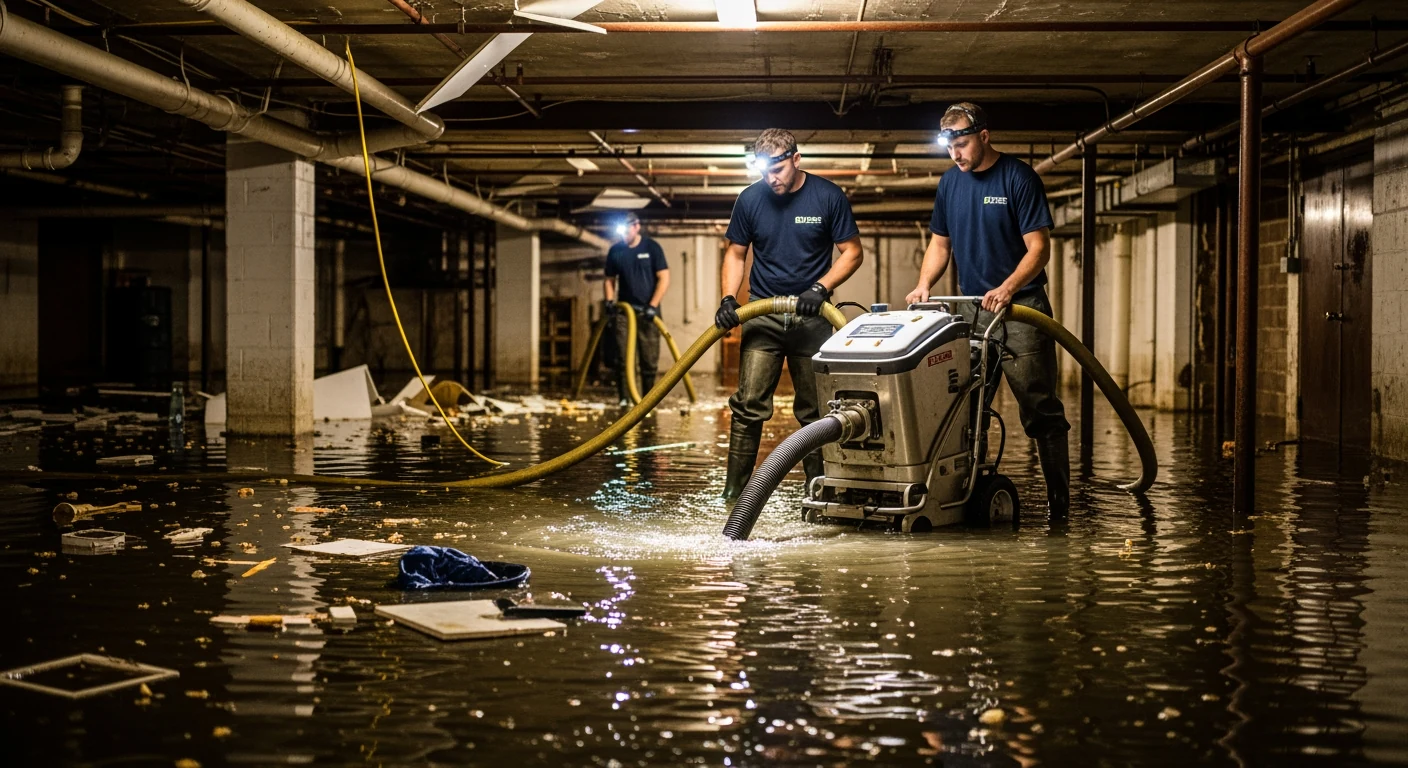
Water damage restoration professionals categorize water sources by contamination level. Category 1 is clean water from a supply line. Category 2 is gray water from an appliance overflow or toilet without feces. Category 3 is sewage — contaminated water with direct microbial hazard. Category 3 cleanup cannot follow the same drying-only approach used for clean water. All porous materials that have contacted sewage water — drywall, insulation, carpet, subflooring — must be removed and disposed of as contaminated material. Structural surfaces must be sanitized with EPA-registered antimicrobials before drying and reconstruction can proceed.
Immediate Actions After a Sewage Backup
Do not enter the affected area without protective equipment. Sewage water on skin, especially in the mouth or eyes, can cause serious illness. Turn off HVAC systems to prevent contaminated air from circulating through the building. Document everything with photographs before any cleanup begins — your insurance claim will require documentation of the initial conditions. Then call a licensed water damage restoration company immediately. Sewage cleanups should not be DIY projects.
Health Risks of Sewage Exposure
Sewage contains coliform bacteria including E. coli, Hepatitis A, rotavirus, and other pathogens. Exposure through skin contact, inhalation of contaminated aerosols, or accidental ingestion can cause gastrointestinal illness, respiratory infection, and more serious systemic illness in immunocompromised individuals. Children, elderly residents, and anyone with compromised immune function should vacate the affected area until clearance testing confirms the space is safe.
NYC and Long Island Sewage Backup Causes
The most common causes in this market are root intrusion into older clay sewer lines, municipal main line blockages that force backflow into connected homes, failed or missing backwater valves, and grease accumulation in older building drain lines. Homes in Nassau and Suffolk counties with mature trees are at elevated risk of root intrusion. NYC brownstones and pre-war buildings often have original clay drain lines that are approaching end of life.
Insurance Coverage for Sewage Backups
Standard homeowners insurance typically excludes sewer and drain backup unless a specific endorsement has been added to the policy. Sewer backup endorsements are available from most carriers and are relatively inexpensive given the potential loss they cover. Homeowners who do not have the endorsement may still have a claim if the backup was caused by a municipal system failure rather than the home’s own drain system. Upper Restoration can help document the source of the backup to support your insurance claim.
Frequently Asked Questions
How long does sewage backup cleanup take?
A typical residential sewage backup affecting one bathroom and surrounding area takes 5 to 10 days: 1 to 2 days for demo and sanitization, 3 to 5 days for structural drying, then reconstruction. Larger losses take proportionally longer.