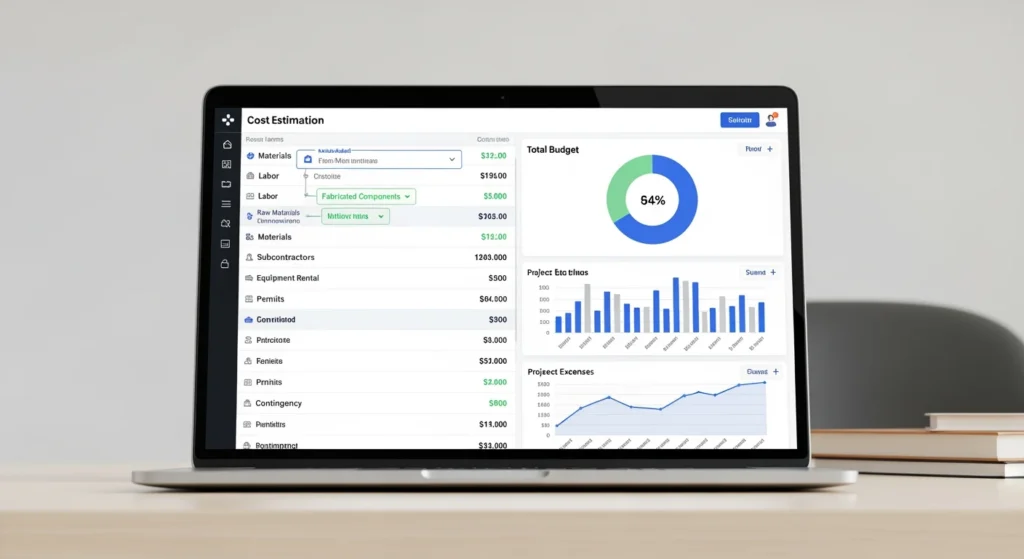
The Xactimate estimate that Upper Restoration submits for a complex Long Island restoration project is not the estimate the adjuster initially accepts in most large losses. Adjusters are trained to review line items for justification, and specific categories of charges — those unique to Long Island’s regulatory environment, its coastal contamination profile, and its pre-1980 housing stock — are challenged consistently enough that Upper Restoration anticipates the objections and pre-builds the supporting documentation into every estimate submission.
Asbestos Survey and Abatement Line Items
The challenge: adjuster argues that asbestos survey and abatement are not necessary because “there’s no evidence asbestos is present.” The reality: NYS DEC Code Rule 56 requires pre-demolition asbestos survey before any renovation in buildings built before 1987. The majority of Long Island structures requiring fire or water damage demolition were built before 1987. The survey requirement is regulatory — it is not contingent on an adjuster’s expectation of whether asbestos will be found. Upper Restoration’s response includes the Code Rule 56 regulatory citation, the licensed inspector’s report confirming ACM, and in cases where the adjuster is pushing back on cost, a comparison to similar project line items from prior claims in Nassau and Suffolk counties.
Category 3 Protocol Charges
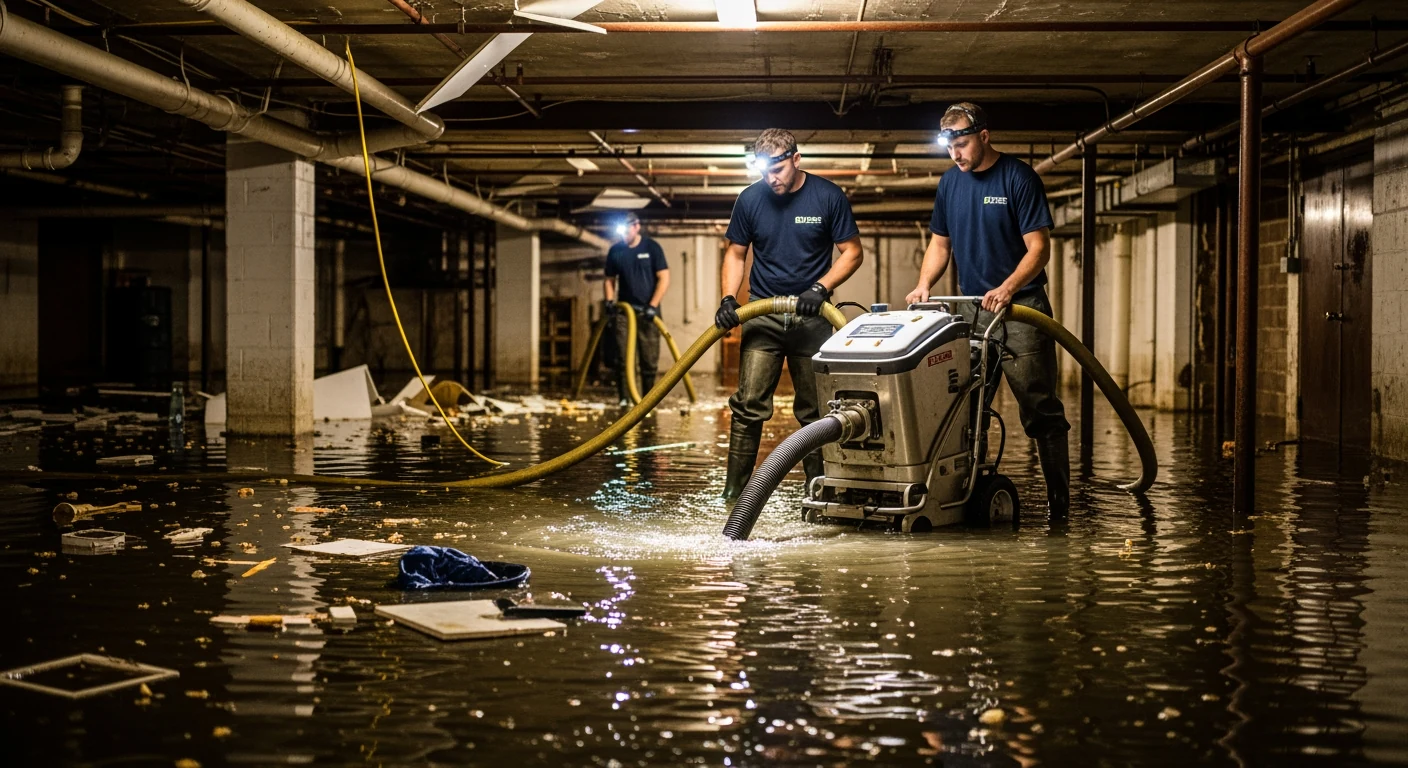
The challenge: adjuster attempts to classify south shore flooding as Category 1 or Category 2, eliminating the demolition and decontamination line items associated with Category 3 protocol. The reality: Great South Bay, Reynolds Channel, Jamaica Bay, and Peconic Estuary water is Category 3 by definition — these water bodies receive sewage effluent from Long Island’s drainage systems. Upper Restoration’s Category 3 documentation includes water source photography, any available municipal reports on the flooding event, and IICRC S500 Category definition citations that establish bay water classification.
Lead-Safe Work Practice Surcharge
EPA RRP requires lead-safe work practices for renovation in pre-1978 residential construction, with documented certified contractor supervision and worker training. The additional labor time for lead-safe practices — additional containment setup, wet methods, HEPA vacuuming, cleaning verification — is a legitimate add-on to standard demolition and renovation labor rates in Nassau County’s pre-1978 housing stock. Adjusters sometimes challenge this surcharge as duplicative of standard demolition labor. Upper Restoration’s response includes the EPA RRP citation and the project’s construction date establishing the pre-1978 application.
LGR Dehumidifier Deployment and Psychrometric Monitoring
Commercial LGR dehumidifier rental rates are sometimes challenged by adjusters who reference residential dehumidifier prices. The distinction is significant: residential dehumidifiers retail for $200 to $400 and remove 30 to 70 pints per day. Commercial LGR units used in structural drying remove 100 to 200 pints per day and cost $60 to $100 per day to rent. Upper Restoration’s response includes the equipment specifications establishing the LGR classification and the psychrometric data from the project showing the moisture removal required — demonstrating that commercial equipment was necessary, not an upgrade to residential capacity.
Frequently Asked Questions: Xactimate Line Items
What are the most commonly disputed Xactimate line items in restoration?
The most frequently disputed items include containment setup (especially negative air machines and poly barriers for mold), overhead and profit (O&P) for jobs involving three or more trades, emergency service after-hours rates, and HEPA vacuuming scope. Adjusters often reduce or omit these line items, which can cost contractors $2,000–$10,000 per project if not properly documented and advocated.
What is overhead and profit (O&P) and when does it apply?
O&P is a 20% markup (10% overhead + 10% profit) that applies when a general contractor coordinates three or more trades on a restoration project. Most major carriers — including State Farm, Allstate, and Liberty Mutual — recognize O&P as industry standard when the complexity threshold is met. The key is documenting every trade involved in the scope.
How do I ensure my restoration contractor uses correct Xactimate pricing?
Ask your contractor if they generate Xactimate estimates in-house using current pricing databases. Verify they use your local price list (Long Island falls under the New York Metro region). Upper Restoration maintains current Xactimate subscriptions and generates estimates that match exactly what adjusters review, eliminating pricing translation issues.
Can homeowners see the Xactimate estimate for their claim?
Yes. You have the right to request a copy of your adjuster’s Xactimate estimate. Comparing it line-by-line against your contractor’s estimate is the best way to identify omitted items and underpayment. Upper Restoration reviews adjuster estimates with homeowners and identifies any line items that were improperly excluded or underpriced.