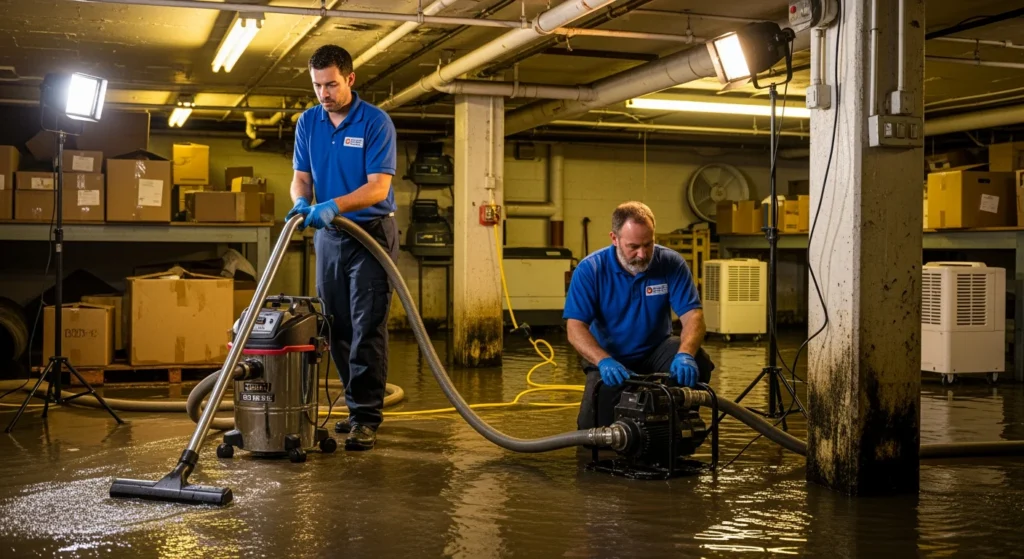
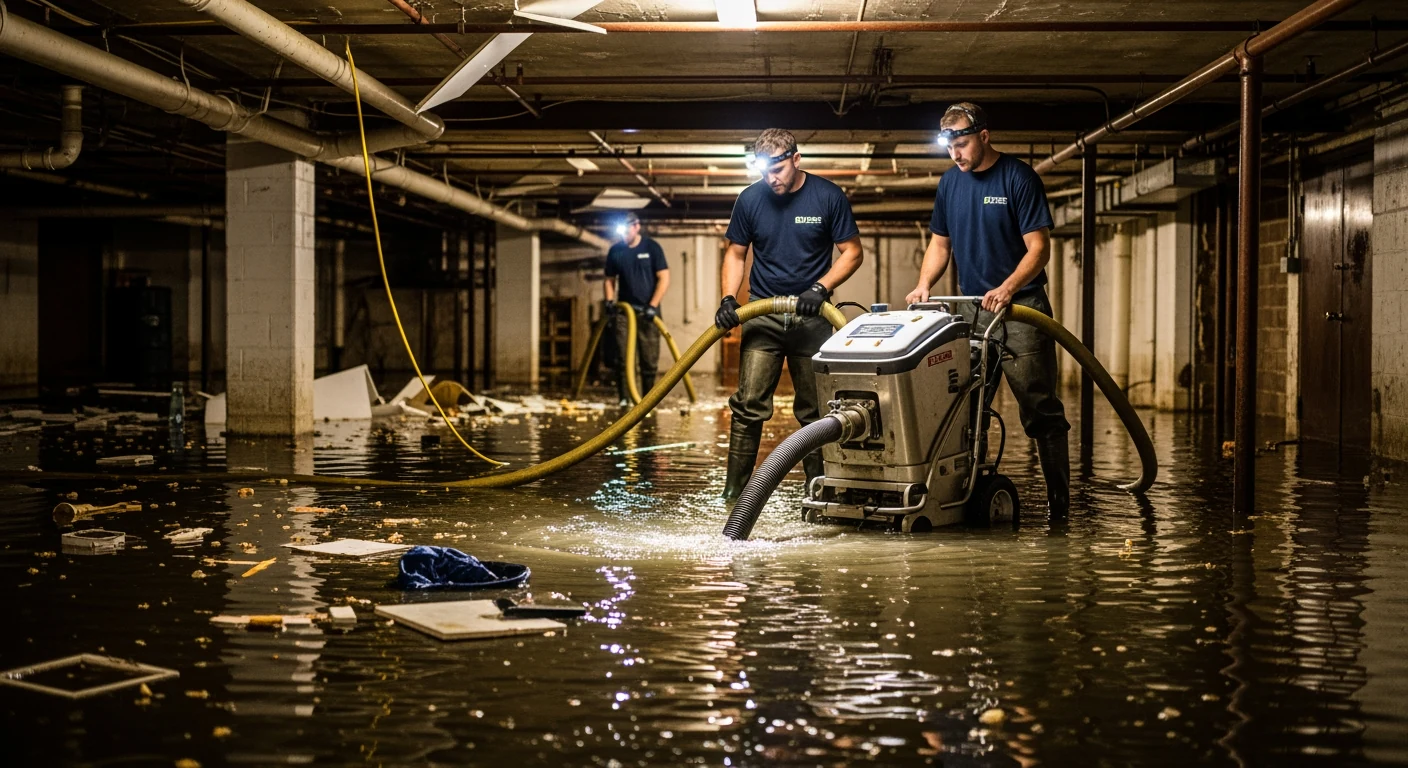
Long Island homeowners who focus their flood preparation on hurricane season are protecting against the right risk at the wrong time of year. The spring window — March through May — is Long Island’s most active period for basement flooding, sump pump failures, and municipal sewer backups. Snowmelt from February and March events saturates Nassau County’s shallow soils. Spring nor’easters in April and May drive tidal flooding on the south shore. April and May rainfall events overwhelm the aging combined sewer systems in Nassau’s older communities. The June 1 hurricane season start date gets all the attention, but it is the period that precedes it that produces the most flooding claims in Upper Restoration’s Long Island project data.
The April-May Flooding Pattern
Long Island’s spring flooding follows a specific sequence. March snowmelt raises the water table in Nassau County’s outwash plain to its annual peak — basements that stayed dry all winter begin to show hydrostatic seepage at the floor-wall junction as the water table approaches the slab level. April rainfall events that hit already-saturated soil produce rapid surface flooding because the soil cannot absorb additional water at any meaningful rate. The combination of high water table, saturated soil, and April rainfall creates the peak demand window for sump pump operation — and the peak period for pump failure and basement flooding from pump overload.
The Pre-April Preparation Checklist
Test your sump pump: Pour a bucket of water slowly into the sump pit and confirm the float switch activates the pump. Watch the pump discharge to confirm the line is clear. If the pump is more than 7 years old, consider replacement before the season — a $400 pump replacement is a better investment than a $20,000 basement restoration.
Verify battery backup operation: Disconnect the primary pump from power and repeat the float test with the backup system. The battery backup is useless if it has never been tested. Battery units should be replaced every 2 to 3 years in Nassau County south shore and flood-zone applications regardless of apparent condition.
Clear discharge lines: Sump pump discharge lines can accumulate debris, develop partial freezes at exterior walls, and become partially blocked by settling during the winter. Confirm that discharge is reaching its intended outlet point — not just that the pump is running.
Clear basement drains: Floor drains in Nassau County basements can be the first backup pathway when municipal sewer systems surcharge during spring rainfall. Confirm drains are clear and consider a drain plug or check valve for basements with a history of sewer backup.
Gutters and downspouts: Clogged gutters direct roof drainage to the foundation rather than away from it. Spring gutter clearing before the April rainfall season prevents the additional foundation loading that compounds spring flooding risk.
See also: Disaster Preparedness & Storm Damage Guide