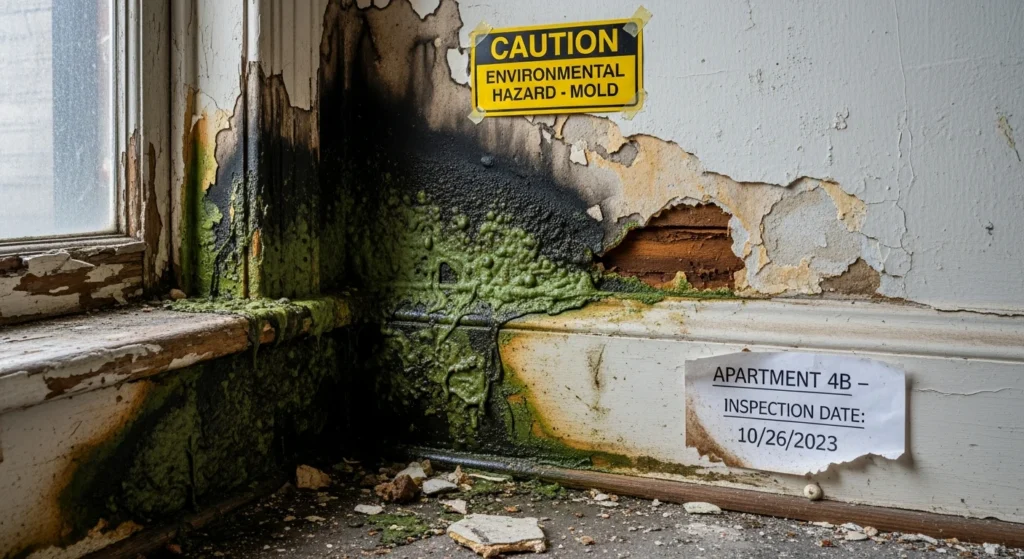
Oyster Bay’s mold remediation landscape mirrors the township’s dual-shore geography. The south shore communities of Massapequa, Massapequa Park, and Seaford carry mold risk shaped by their proximity to Great South Bay and their history of storm flooding — the same post-Sandy hidden mold legacy pattern seen in Hempstead’s south shore, present in a housing stock that is slightly newer on average but still predominantly pre-1980. The north shore communities of Oyster Bay village, Cold Spring Harbor, and Bayville carry moisture-related mold risk from Sound exposure and the older construction assemblies common to the Long Island north shore. Hicksville, Bethpage, Plainview, and Syosset in the interior carry the standard Nassau County post-war pattern. For the regulatory framework, see the Long Island Mold Remediation Master Guide.
Massapequa South Shore: Post-Sandy and Recurring Flood Mold
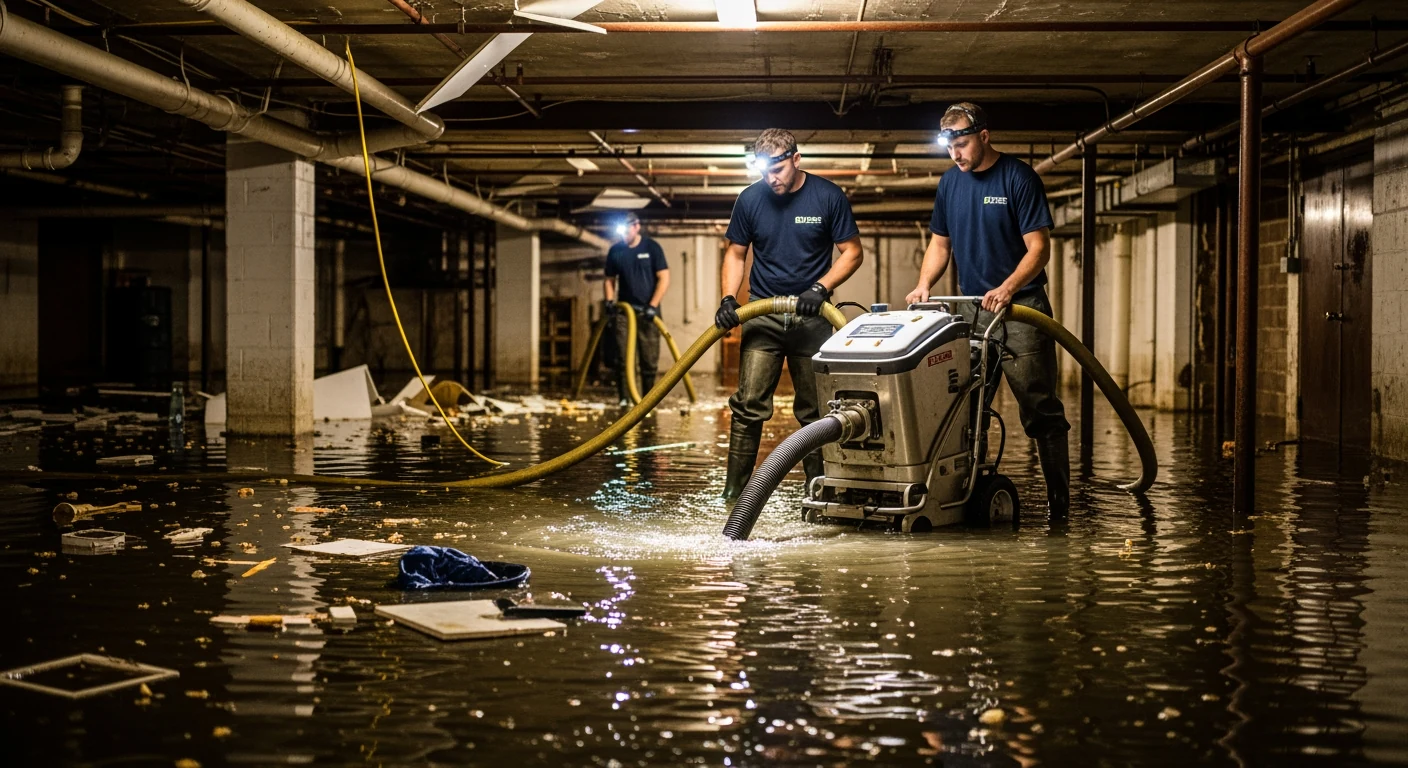
Massapequa’s south shore communities — the neighborhoods south of Merrick Road fronting the bays — experienced significant Sandy flooding and face recurring tidal and storm surge flooding during every significant south shore weather event. The mold pattern in these communities combines the post-Sandy legacy issue (incomplete remediation in 2012 leaving hidden mold in wall cavities) with ongoing recurring moisture from subsequent storm events. A south shore Massapequa home that was flooded in 2012, dried but not fully remediated, and then flooded again in 2016, 2018, 2021, and 2024 has experienced five accumulating moisture cycles in the same structural assemblies. Each cycle potentially adds new mold colonization on top of existing colonies that were never fully addressed.
Hicksville and Interior Oyster Bay: Attic and HVAC Mold
Hicksville’s dense Cape Cod and split-level stock carries the same attic mold vulnerability as Levittown and East Meadow to the south — steep-pitched roofs, inadequate eave ventilation, bathroom exhaust fans vented into attic space rather than through the roof. With a population exceeding 41,000, Hicksville generates significant mold remediation demand from the sheer volume of housing units in vulnerable configurations. HVAC-distributed mold is a specific Hicksville concern: homes with original 1960s–1970s forced-air heating systems that have never had ductwork cleaned carry accumulated organic material in ducts that supports mold colonization when combined with summer humidity.
Cold Spring Harbor and North Shore Historic Construction
Cold Spring Harbor’s historic residential stock — including properties from the late 19th and early 20th centuries associated with the community’s wealthy summer colony era — presents the same preservation-sensitive mold remediation challenges as North Hempstead’s Gold Coast estates. Fieldstone foundations, original timber framing, and plaster-on-lath walls in these older structures require mold assessment and treatment approaches that differ significantly from standard modern construction remediation.
Cost Benchmarks
- Massapequa south shore recurring flood mold (wall cavity discovery): $9,000–$25,000 for scope that may involve multiple generations of mold colonization in assemblies wetted repeatedly since 2012.
- Hicksville Cape Cod attic mold: $3,000–$8,000 for standard blasting and HEPA treatment.
- Cold Spring Harbor historic crawl space or basement: $4,000–$12,000 with preservation-protocol structural surface treatment.