Board-up and emergency tarping occupies a position in the restoration sequence that is often underestimated until property owners experience what happens without it: a contained storm event becomes a weeks-long water intrusion, a fire-damaged structure becomes a vandalism target and a liability, a broken basement window after a break-in becomes a mold colony. Emergency property protection is not a courtesy service — it is the intervention that determines whether a contained loss stays contained, and it must happen within hours of the precipitating event, not days.
On Long Island, the urgency of emergency board-up and tarping is amplified by three factors: the island’s high storm frequency (nor’easters, tropical remnants, and convective storms that can arrive within 24 hours of any structural opening), the density of Nassau County’s suburban landscape (where an unsecured property is visible and accessible to dozens of neighbors and pedestrians), and the complexity of its building stock (where an unprotected roof opening in a pre-1980 Cape Cod can drive water into asbestos-containing assemblies within a single rain event, creating a remediation problem far exceeding the original damage). This guide covers board-up and emergency tarping across Long Island’s 13 townships — when it is needed, how it is executed, what it costs, and how it fits into the insurance claim and restoration process.
When Emergency Board-Up and Tarping Is Required on Long Island
After Fire Damage
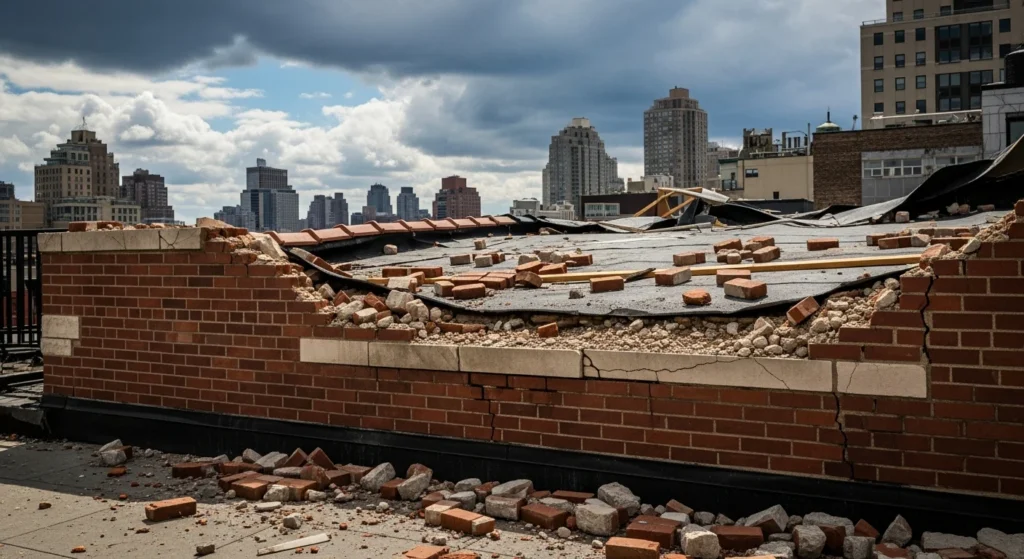
Fire damage restoration cannot begin until the structure is stabilized against weather and unauthorized entry. Every fire that burns through exterior walls or the roof assembly creates structural openings that require immediate closure. On Long Island, fire department clearance is typically issued within hours of suppression — but the gap between clearance and the contractor’s arrival is the most dangerous window for secondary damage. A Long Island home with a burned-through roof section exposed during a nor’easter can absorb thousands of gallons of water in the first storm event. Upper Restoration deploys emergency board-up and tarping within hours of fire department clearance, around the clock, across all of Nassau and Suffolk — making the first call after the fire department the restoration company, not the insurance carrier.
After Storm Damage
Wind-driven roof damage, impact from fallen trees, broken windows from storm debris, and structural failures from nor’easter or hurricane events all produce openings that require immediate protection. Long Island’s storm frequency — multiple significant nor’easters per year and active Atlantic hurricane season from June through November — means that a property with an unprotected structural opening from one storm will almost certainly be re-exposed before repairs can be completed. The FEMA emergency period following major Long Island storms (Sandy in 2012 being the definitive example) creates conditions where thousands of properties need simultaneous emergency protection — creating demand surges that make early, proactive engagement with a restoration contractor critical.
After Break-In or Vandalism
Residential and commercial break-ins that involve forced entry through doors or windows create security vulnerabilities that standard locksmithing cannot address when the opening is structural. Nassau County’s higher-density residential communities — the close-spaced Cape Cods and split-levels of central and south Nassau — experience higher break-in rates than lower-density areas, and break-in-related board-up needs are a consistent component of Upper Restoration’s Long Island project volume. Commercial properties in Nassau and Suffolk retail corridors require full storefront board-up following break-ins to prevent repeat entry and weather exposure.
After Flood Events
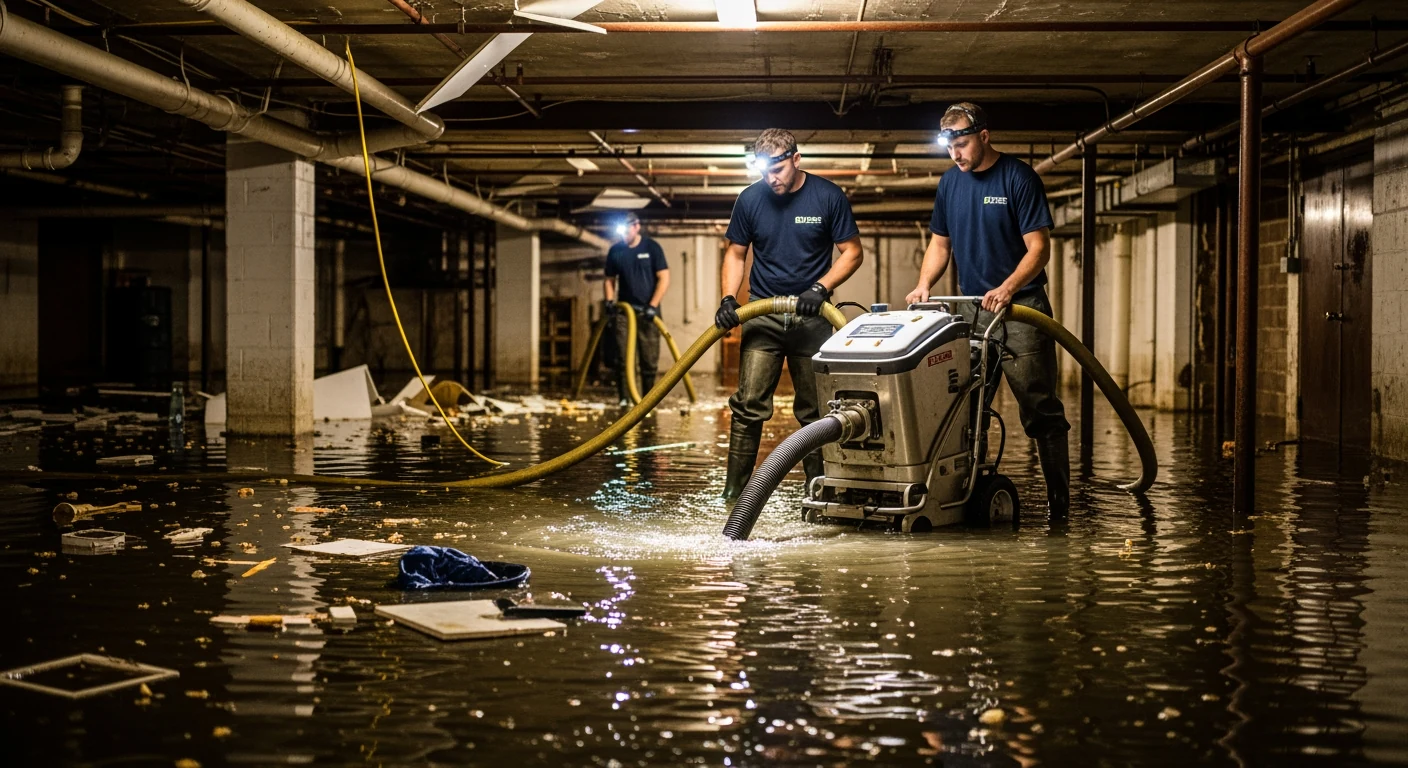
Flood damage that compromises structural integrity — undermined foundations, flood-softened wall assemblies, water-weakened framing — can require emergency shoring and opening protection to prevent collapse during the restoration period. South shore Nassau and Suffolk properties that experienced storm surge foundation undermining during Sandy required structural shoring before any interior restoration work could begin safely.
Board-Up Methods and Materials on Long Island
Window and Door Board-Up
Standard window and door board-up on Long Island uses 5/8-inch or 3/4-inch exterior-grade plywood, cut to fit the opening and secured with structural screws into the surrounding framing rather than with nails into the siding or trim. Nail-in board-up — the fastest installation method — creates additional damage to the surrounding structure that becomes part of the restoration scope; screw-in installations are more time-consuming but preserve the surrounding assembly. For ground-floor openings in Nassau County’s dense communities, board-up installations that are clearly professional and complete deter opportunistic entry more effectively than partial or hastily assembled solutions.
Emergency Roof Tarping
Emergency roof tarping is the highest-priority board-up service on Long Island given the island’s roof damage patterns. The standard installation uses 6-mil or heavier polyethylene tarps secured with roof batten boards screwed through the tarp into the roof deck — not simply draped over the peak and held with sandbags or rope, which fails in the first significant wind event. Proper tarping installation runs the tarp over the roof peak and secures it to the deck on both the damaged and undamaged sides, creating a water-tight seal at the ridge that prevents water infiltration at the most common failure point.
Long Island’s post-war Cape Cod roof pitch — typically 8:12 to 10:12 — requires different tarping approaches than flat or low-slope commercial roofs. The steep pitch accelerates water runoff but creates installation challenges for crews working at height during emergency conditions. Cape Cod dormer windows are a specific tarping complication: water that bypasses a roof tarp at a dormer-to-main-roof intersection can infiltrate the wall assembly below the dormer without appearing as obvious interior ceiling damage, leading homeowners to believe the tarping is adequate when intrusion is continuing.
Insurance Documentation and the Board-Up Claim
Emergency board-up and tarping is covered under most Long Island homeowners policies as emergency mitigation — the cost of preventing further damage to covered property. The key documentation requirements for the insurance claim:
- Pre-installation photographs: All structural openings, their dimensions, and the cause of the opening must be photographed before board-up or tarping installation. These photographs establish the damage baseline for the adjuster’s scope and prove that the emergency services were necessary.
- Itemized invoice: The board-up invoice must itemize materials (type, dimensions, quantity of plywood, tarps, battens, fasteners) and labor separately. Generic “emergency services” invoices are frequently disputed by adjusters — line-item detail is required for full reimbursement.
- Scope justification: For larger board-up scopes, a written scope of work explaining why each installation was necessary to prevent further damage supports the claim. This is particularly important for roof tarping — adjusters sometimes challenge the square footage of tarped area, and photographic documentation of the full damaged zone justifies the tarp scope.
Township and Permit Considerations for Board-Up on Long Island
Emergency board-up installations — temporary protective measures installed immediately after a loss event — do not require building permits in Long Island townships. However, board-up that remains in place for extended periods (typically 30 days or more) may trigger code enforcement action in municipalities that regulate the appearance of boarded properties, particularly in Nassau County’s incorporated villages where community standards enforcement is more active than in the unincorporated town areas.
The Towns of Hempstead, North Hempstead, and Oyster Bay each have their own code enforcement structures that may address extended board-up as a blight condition if repairs are delayed. Homeowners who anticipate an extended board-up period — due to insurance disputes, contractor availability, or permit delays — should communicate proactively with the applicable town building department to establish a repair timeline that avoids code enforcement action.
Cost Benchmarks for Board-Up and Tarping on Long Island
- Standard window board-up (per opening): $150-$350 per window opening depending on size and accessibility. A typical post-break-in residential scope with 2-3 openings runs $350-$900.
- Door board-up (entry or sliding door): $250-$600 per opening. Exterior door openings require more substantial framing integration to create a secure closure.
- Emergency roof tarping (per 100 sq ft of affected area): $400-$800 per square (100 sq ft). A typical Cape Cod with a 200-square-foot section of storm-damaged roof runs $800-$1,600 for emergency tarping. Steep-pitch or dormer-complex installations carry a premium.
- Fire damage board-up (full structure, post-fire stabilization): $2,500-$8,000 for comprehensive structural protection of a typical Nassau or Suffolk single-family home with multiple structural openings following a significant fire event.
- Emergency response surcharge (after-hours, holidays): Upper Restoration’s 24/7 emergency board-up service does not carry an additional surcharge for after-hours deployment — emergency events do not occur on business schedules, and the response pricing reflects that.
The Connection Between Board-Up and Total Restoration Outcome
The quality and speed of emergency board-up and tarping directly determines the scope and cost of the full restoration project that follows. A roof tarp that fails during a Long Island nor’easter three days after installation adds water intrusion to an existing fire loss — creating a combined fire and water damage scope, potentially triggering mold growth, and extending the total restoration timeline by weeks. A board-up installation that is not weather-tight at the edges allows wind-driven rain infiltration that continues the moisture cycle after the original event is resolved.
Upper Restoration treats emergency board-up and tarping as the first phase of restoration, not a separate service. The crew that installs emergency protection conducts the same damage assessment that initiates the full restoration scope — photographing all damage, documenting material types for asbestos protocol planning, and providing the homeowner and their insurance carrier with a same-day damage summary that starts the claim process immediately.
Township Board-Up Data Files
Upper Restoration maintains township-specific storm and emergency data files for all 13 Long Island townships covering local storm event history, average board-up response times, and township-specific code considerations. Links coming as township files are published.