Author: Senior Restoration Project Manager | IICRC Fire & Smoke Restoration Technician (FSRT)
Zero-Click Summary: A furnace puffback forces pressurized, oily soot through your HVAC system, covering the home in a sticky residue. Cleanup requires specialized degreasers and chemical sponges; standard cleaning products will smear the soot and cause permanent staining. Immediate HVAC shutdown and professional duct cleaning are mandatory to prevent re-contamination.
- Key Takeaway: Never use water-based cleaners on puffback soot.
- Key Takeaway: Soot ‘webs’ in corners are actually chains of carbon, not spiderwebs.
- Key Takeaway: Ductwork must be sealed and cleaned before turning heat back on.
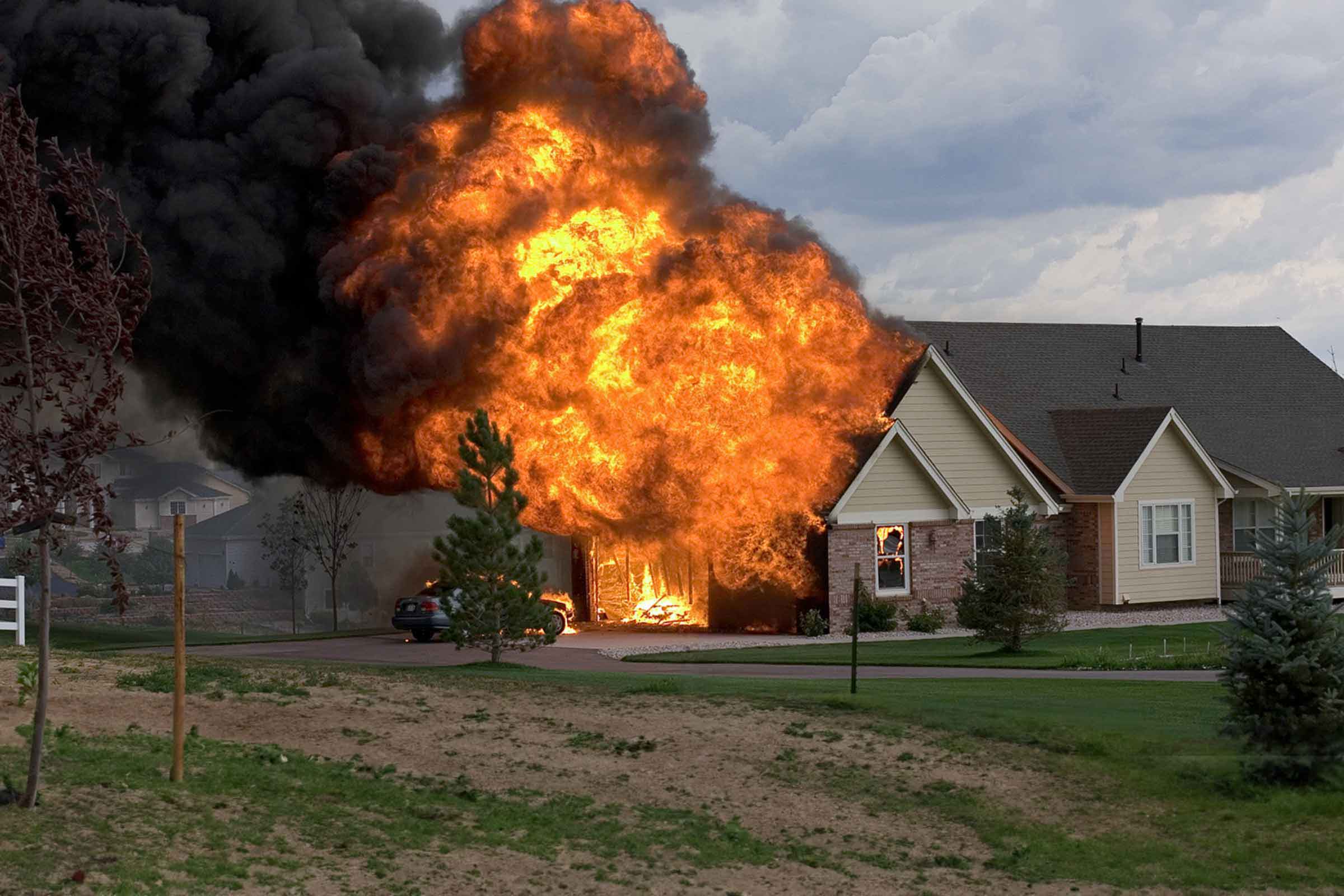
For homeowners in Nassau and Suffolk County, the sudden “thump” of a furnace misfiring is more than just a mechanical glitch—it is the herald of a property-wide disaster. In Long Island, where oil-fired heating systems remain a staple, the furnace puffback is a recurring winter emergency. When an oil burner fails to ignite properly, excess fuel vapors build up in the combustion chamber. When it finally does ignite, the resulting “mini-explosion” sends a cloud of ultra-fine, oily soot through the vents, coating every square inch of your living space.
This is not ordinary dust. It is a chemically complex, acidic, and highly adhesive byproduct of partially combusted fuel oil. If handled incorrectly, the damage becomes permanent within hours. This guide outlines the professional protocol for furnace puffback cleanup to ensure your home is restored to a safe, pre-loss condition.
What Causes a Puffback?
To understand the complexity of the cleanup, one must first understand the mechanical failure. A puffback occurs primarily in oil-burning systems. The National Fire Protection Association (NFPA) notes that heating equipment is a leading cause of home fires, and while a puffback doesn’t always result in an active fire, it is a high-pressure smoke event. The primary culprits are usually poor maintenance, “after-drip,” or a clogged burner nozzle.
When the burner shuts off, if the nozzle leaks (after-drip), oil pools in the combustion chamber. When the system restarts, it must burn off the excess liquid oil along with the atomized spray. This creates a pressurized back-fire. Because the HVAC system is pressurized, this soot is forced into the heat exchanger and then distributed through the supply ducts. If you have a forced-air system, the soot is literally injected into your bedrooms, closets, and kitchens. If you have a boiler (baseboard heat), the soot often vents out of the damper or the furnace room itself, drifting through the house via natural air currents.
The technical composition of this soot is what makes it a nightmare for homeowners. Unlike wood smoke, which is often dry and grey, oil soot is black, greasy, and contains sulfur compounds. When these compounds meet the humidity in your Long Island home, they form a mild sulfuric acid. This acid begins to etch into glass, metal fixtures, and electronics immediately, making furnace puffback cleanup a race against time.
Immediate Steps to Take (And What Not To Do)
The moment you realize a puffback has occurred, your priority is to stop the spread. As a restoration professional, the biggest challenge I face is “amateur cleaning attempts” that have permanently set the soot into the substrate.
1. Shut Down the System
Do not attempt to run the furnace to “see if it’s okay.” If the system is still on, it is likely still pumping particulates into the air. Switch off the emergency burner switch (usually located at the top of the basement stairs) and call a licensed HVAC technician to repair the mechanical failure before cleanup begins.
2. Do Not Touch or Wipe the Walls
This is the most critical warning. Your instinct will be to grab a wet rag or a common household spray cleaner to wipe a smudge off the wall. Stop. Oil soot is microscopic and greasy. If you apply water or a standard degreaser to a wall without first removing the dry particulate, you will smear the soot into the pores of the paint. This creates a permanent stain that cannot be cleaned and will likely “bleed through” any future coats of paint, no matter how many primers you use.
3. Identify “Soot Webs”
You may notice what look like black spiderwebs in the corners of your ceiling. These are not webs. They are “soot tags.” During a puffback, the ionized carbon particles are attracted to each other and the cooler corners of the room, forming long, sticky chains. Do not touch these with a vacuum brush or a cloth; they will disintegrate and stain the ceiling instantly.
4. Limit Movement
Walking through the house kicks up the soot, allowing it to settle in areas that might have been spared. If you must move through the home, place old sheets or “sticky mats” in high-traffic areas to prevent the tracking of oily residue into carpets.
The Professional Cleanup Process
At Upper Restoration, we utilize a 90-minute response protocol because we know that the longer soot sits, the harder it is to remove without abrasive measures. The IICRC-certified process for furnace puffback cleanup involves several technical stages.
Phase 1: Dry Removal
We begin by removing the bulk of the particulate without the use of liquids. This is done using specialized Chemical Sponges (also known as dry-cleaning sponges). These are made of vulcanized natural rubber. They work by lifting and “absorbing” the soot into the pores of the sponge. We use a top-down approach, starting at the ceiling and working toward the floor, using straight, overlapping strokes. Once the sponge is saturated with black soot, the outer layer is sliced off or the sponge is discarded.
Phase 2: HEPA Vacuuming
Standard household vacuums—even those with “high-efficiency” filters—are insufficient. They often have leaks in the housing that allow microscopic soot to bypass the filter and exhaust back into the room. We use industrial HEPA (High-Efficiency Particulate Air) vacuums that are tested to trap 99.97% of particles down to 0.3 microns. Every surface, including drapes, upholstery, and even the “soot tags” in the corners, is vacuumed with a specialized brush-less tool to prevent smearing.
Phase 3: Wet Cleaning with Specialized Degreasers
Only after the dry particulate is removed do we move to wet cleaning. We use industrial-grade degreasing agents specifically formulated for petroleum-based soot. These agents break the molecular bond between the oil and the surface. This is particularly important for “non-porous” surfaces like countertops, appliances, and hardwood floors.
Phase 4: Air Scrubber Deployment
The smell of a puffback is distinctive—a heavy, burnt-oil odor that can cause headaches and respiratory distress. We deploy HEPA-filtered air scrubbers with charcoal/carbon filters to pull the airborne odors out of the environment while we work. This prevents the “ghosting” effect where soot continues to settle days after the initial event.
Phase 5: Duct Cleaning
Perhaps the most overlooked step is the HVAC system itself. If you clean the house but don’t clean the ducts, the first time the heat kicks on, your home will be re-contaminated. We perform a full “source removal” duct cleaning, agitation-brushing the interior of the vents while under negative pressure.
| Action | DIY Consequence | Professional Method |
|---|---|---|
| Wiping Walls | Smears soot into paint (permanent damage) | Dry Chemical Sponges |
| Vacuuming | Exhaust blows soot back into air | HEPA Filtration Vacuums |
| Laundering Clothes | Sets oil stains/odors | Ozone Treatment & Dry Cleaning |
Insurance Coverage for Puffbacks
One piece of good news for Long Island homeowners is that most standard HO-3 homeowners insurance policies cover furnace puffback cleanup. Because a puffback is considered a “sudden and accidental” event (as opposed to gradual wear and tear), the cleaning of the structure, the cleaning of your personal contents, and even the deodorization of your clothing are typically covered expenses.
However, insurance companies often push back on the scope of the cleaning. They may suggest cleaning only the rooms where soot is visible to the naked eye. As a Senior Restoration Project Manager, I use “soot testing” to prove that microscopic particles have migrated to other floors. We document the damage with high-resolution imagery and provide the adjuster with an IICRC-compliant estimate that ensures your home is not just “visually clean,” but “clinically clean.”
Remember to keep the failed furnace part (the nozzle or pump) as evidence for the adjuster. While the insurance will cover the damage caused by the puffback, they rarely cover the repair of the furnace itself, as that is considered a maintenance issue.
The Importance of Professional Contents Restoration
Your textiles—rugs, curtains, and designer clothing—act as filters during a puffback. They trap the oil. Sending these items to a standard neighborhood laundromat is a mistake. The heat of a standard dryer will “bake” the oil and the sulfur smell into the fibers. Professional restoration involves “ozone treatment” or “hydroxyl generators” to break down odor molecules at a molecular level, followed by specialized dry cleaning processes designed for smoke damage.
For more information on the dangers of heating-related smoke damage, see our guide on Furnace Puffbacks: A Common Winter Smoke Damage Issue or explore our comprehensive Services – Fire & Smoke Damage Cleanup page.
Frequently Asked Questions
Q: Is puffback soot dangerous?
A: Yes, it contains carcinogens and irritants that affect respiratory health, requiring proper PPE (Personal Protective Equipment) during cleanup. The fine particulates can exacerbate asthma and other lung conditions.
Q: Can I just paint over the soot?
A: Absolutely not. The oils in the soot will prevent the paint from bonding. Within weeks, the soot will bleed through the new paint as a yellowish-brown stain, and the smell will persist behind the paint layer.
Q: How long does the cleanup take?
A: Depending on the size of the home and the severity of the spread, a professional furnace puffback cleanup typically takes between 2 to 5 days.
Need Immediate Help?
Don’t let oily soot ruin your home. Our Nassau & Suffolk teams are on standby 24/7 with specialized degreasing agents and IICRC-certified technicians.
Upper Restoration provides professional fire and smoke damage restoration services across Nassau County, Suffolk County, and all five NYC boroughs — available 24/7.