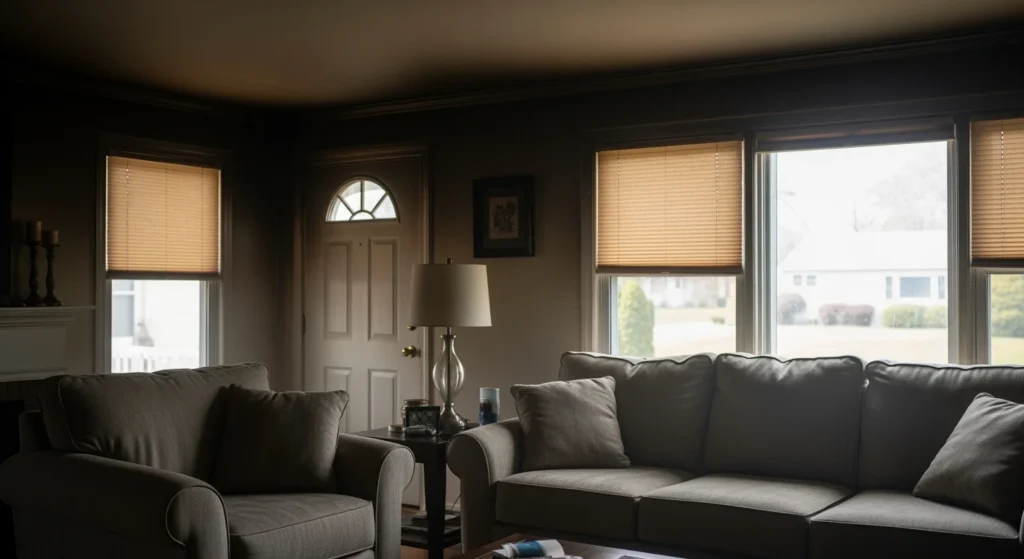
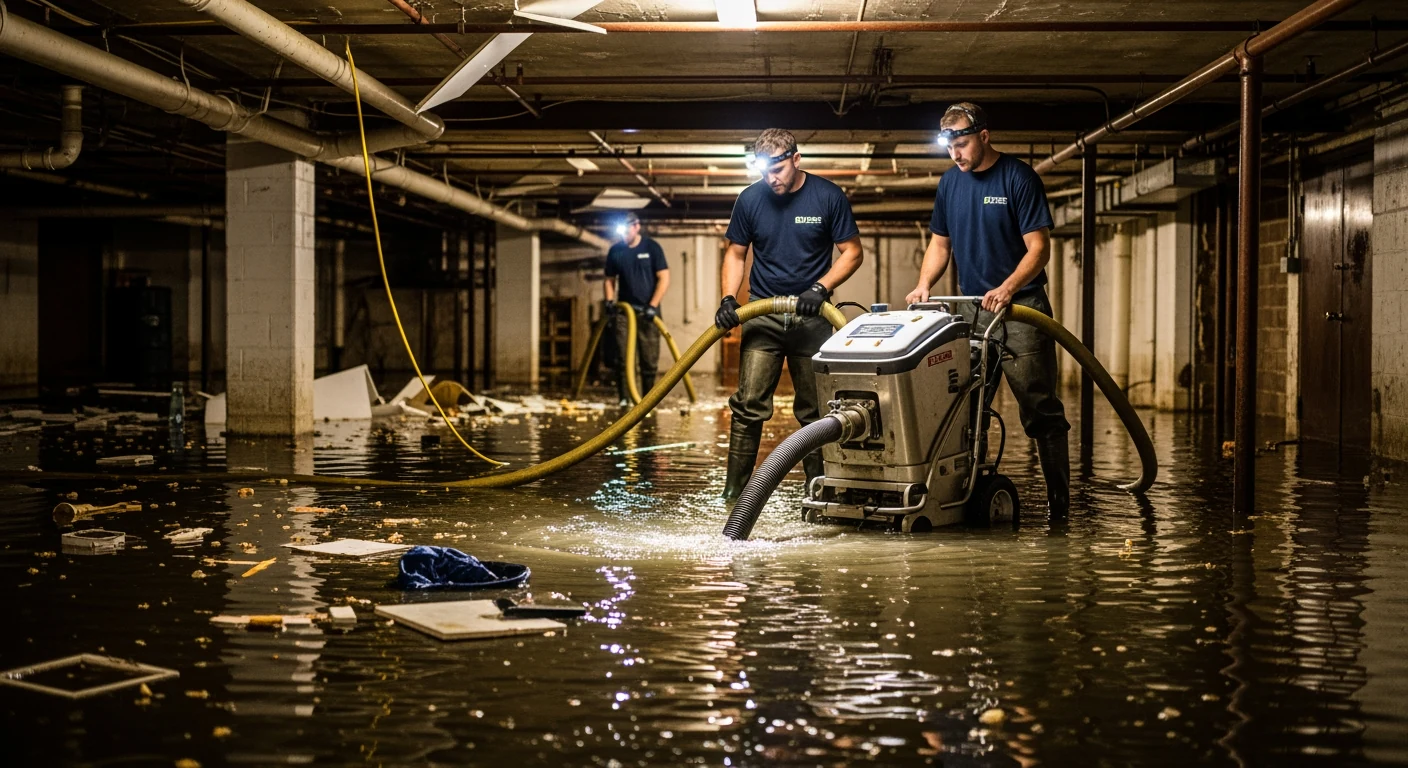
After a fire, many homeowners on Long Island are understandably focused on the visible destruction. However, the smoke and soot that remain can pose significant and often hidden dangers to both your property and your health. Understanding the science behind smoke damage is the first step in a successful restoration. For a complete breakdown of pricing, see our guide to smoke damage repair cost.
The Corrosive Nature of Soot
Soot isn’t just a black powder; it’s a complex mixture of acids, chemicals, and metals. When these particles settle on surfaces, they can cause irreversible damage:
- Acidic Residue: Soot is acidic and can begin to corrode materials within minutes. Metal fixtures can tarnish, glass can become etched, and plastics can discolor.
- Penetration of Porous Materials: Materials like drywall, wood, and textiles can absorb soot particles, making them incredibly difficult to clean and leading to long-term staining and odor.
- Damage to Electronics: The conductive nature of soot can short-circuit electronics, leading to failure even if they appear undamaged.
Health Risks Associated with Smoke and Soot
The smell of smoke is a clear indicator of a problem, but the health risks go far beyond the unpleasant odor. Soot particles are often microscopic and can be inhaled deep into the lungs, causing a range of health issues:
- Respiratory Problems: Exposure to soot can trigger asthma, bronchitis, and other respiratory illnesses.
- Skin and Eye Irritation: Direct contact with soot can cause rashes and eye irritation.
- Long-Term Health Concerns: Some of the chemicals present in soot are known carcinogens, making professional cleaning essential for the long-term health of your family.
How Long Island’s Coastal Climate Complicates Smoke Damage
Living in Nassau or Suffolk County means dealing with coastal humidity, which can significantly worsen the effects of smoke damage:
- Humidity as a Catalyst: Moisture in the air acts as a catalyst, accelerating the corrosive effects of soot on surfaces.
- Odor Penetration: Humidity can cause porous materials to expand, allowing smoke particles and odors to penetrate even deeper, making them more difficult to remove.
- Increased Mold Risk: The water used to extinguish a fire, combined with our naturally humid environment, creates the perfect breeding ground for mold, which can begin to grow within 24-48 hours.
The Importance of Professional Smoke Damage Cleanup
Attempting to clean up smoke damage with household cleaners can often make the problem worse by smearing the soot and driving it deeper into surfaces. Professional restoration companies have the specialized equipment, cleaning agents, and training to effectively address smoke and soot damage. They can:
- Identify the Type of Smoke: Different materials produce different types of smoke, each requiring a specific cleaning approach.
- Use Advanced Technology: Techniques like thermal fogging and ozone treatments can neutralize odors at the molecular level.
- Properly Ventilate and Dehumidify: Controlling the environment is crucial to preventing further damage and mold growth.
Smoke damage is a complex issue that requires a scientific approach to remediation. For Long Island homeowners, understanding The Hidden Dangers and the unique challenges of our coastal climate is key to ensuring a safe and thorough restoration of your home.