Mold is everywhere — but especially in older cities like New York.
If you live in NYC, Long Island, or nearby, you’ve probably dealt with mold more than once. Our dense buildings, coastal humidity, and older construction methods make this region a prime environment for hidden leaks, poor ventilation, and — you guessed it — mold.
We reviewed the top 10 mold-related questions people are Googling right now. Here’s what you need to know, especially if you’re a homeowner or property manager in the Tri-State area.
1. Does vinegar kill mold?
Yes, vinegar can kill about 80% of mold species — especially on hard, non-porous surfaces. It’s mildly acidic and works by disrupting the mold’s structure. Spray full-strength white vinegar, let it sit for at least an hour, then scrub and rinse. However, vinegar isn’t always effective on porous materials like drywall or insulation, and it doesn’t remove spores embedded deep in surfaces. In NYC buildings where mold often hides in walls or floorboards, professional remediation is typically a better bet.
2. What does black mold look like?
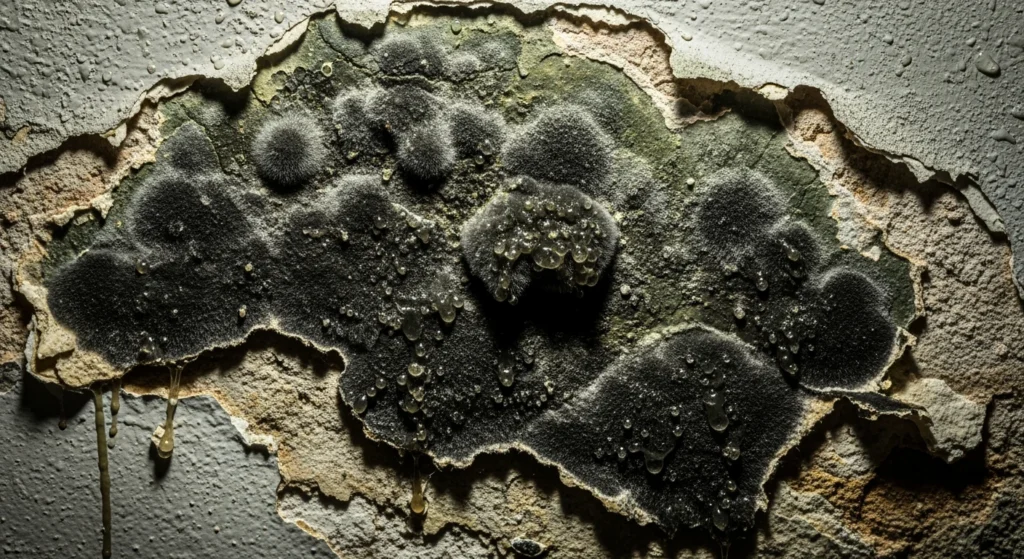
Black mold (often Stachybotrys chartarum) typically appears as dark greenish-black or pure black blotches. It may look slimy, fuzzy, or soot-like depending on surface and age. In NYC apartments or basements, you might spot it behind baseboards, around AC units, or in ceiling corners. Not all black mold is toxic, but it always requires caution and proper handling — especially in older buildings with poor airflow.
3. Does bleach kill mold?
Bleach can kill mold on hard, non-porous surfaces — like tile or sinks — but it’s not effective on porous materials like wood, drywall, or fabric. Bleach may lighten mold’s color, giving a false sense of removal, but it doesn’t penetrate deep enough to kill spores. On top of that, it’s corrosive and can damage building materials over time. For deep infestations, especially in NYC’s older construction, safer and more effective methods are recommended.
4. What does mold smell like?
Mold often smells musty, earthy, or damp — like wet paper, rotting wood, or a humid basement. In some cases, it has a sharp or sour odor, especially in bathrooms or near AC units. In NYC homes, people often report the smell in closets, under sinks, or in sealed-off back rooms. If you’re smelling something musty and can’t find a source, mold is a prime suspect.
5. What does mold look like?
Mold can appear in many forms: fuzzy, slimy, or powdery. Colors range from black, green, and brown to white, orange, or even pink. Surface texture and growth pattern vary based on species and environment. What looks like a water stain or dirty grout could actually be active mold. In apartment buildings and brownstones, always investigate discoloration carefully — especially after leaks or heavy rain.
6. What kills mold spores?
Killing mold spores — the microscopic particles that allow mold to spread — requires more than surface cleaning. Professional-grade antimicrobials, HEPA filtration, and controlled containment procedures are often necessary. Some EPA-registered fungicides can deactivate spores on contact, but removal of contaminated materials is still key. In older NYC buildings, spores can travel through vents, cracks, and subfloors — which is why remediation often requires sealing and air scrubbing, not just cleaning.
7. How to use vinegar to clean black mold in the toilet
To clean black mold in the toilet using vinegar:
- Pour full-strength white vinegar around the rim and in the bowl.
- Let it sit for 1–2 hours.
- Scrub with a toilet brush, focusing on moldy rings or stains.
- Flush and rinse.
Repeat if needed. If mold keeps returning, it may signal a deeper issue like humidity buildup or hidden leaks — common in pre-war or poorly ventilated NYC bathrooms.
8. Where does mold come from?
Mold comes from spores that are constantly floating in the air — both indoors and outdoors. All it needs to grow is moisture + organic material (like wood, dust, drywall, or even soap scum). In NYC buildings, leaks, condensation, and poor ventilation often create ideal conditions for mold. Basements, rooflines, and kitchens are common hotspots.
9. What happens when you eat mold?
Accidentally eating small amounts of mold (like on bread or fruit) usually isn’t dangerous — your stomach acid can destroy most spores. But certain molds produce mycotoxins, which can cause nausea, allergic reactions, or respiratory issues. In rare cases, people with mold sensitivities may react more severely. If you’re frequently exposed to mold at home, even indirectly, the health effects can accumulate over time.
10. What is a mold?
Mold is a type of fungus that breaks down organic matter. It thrives in moist environments and reproduces via spores. You’ll find it in nature, but indoors it becomes a problem when it grows on surfaces like walls, carpets, wood, and insulation. In homes, mold can damage building materials, reduce air quality, and impact your health — especially in older structures with limited airflow or insulation.
Need help with mold in your space?
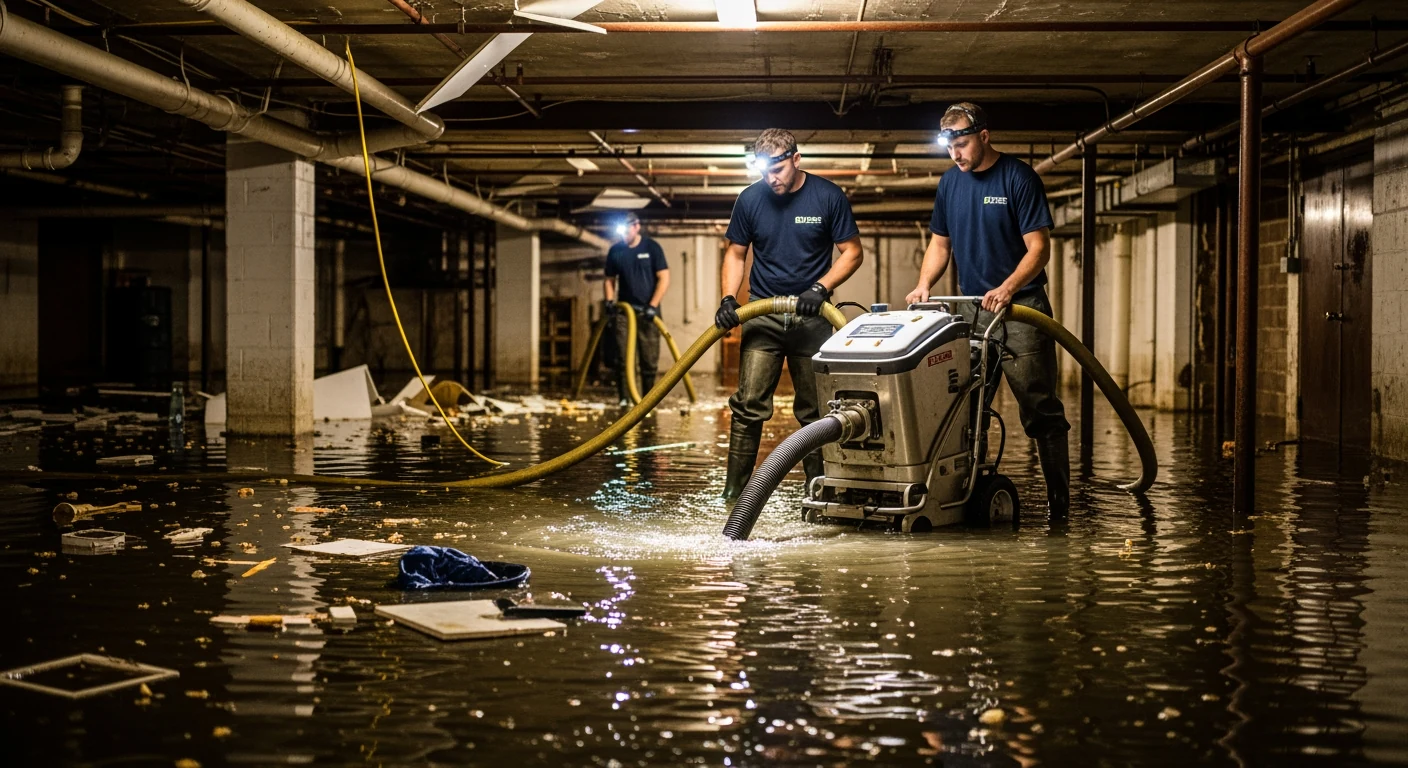
If you’re dealing with mold in your home or business, especially in the NYC or Long Island area, it may be time to talk to a certified remediation team.