If your home was built before the 1980s, there’s a good chance it contains asbestos — a once-popular building material now known to pose serious health risks.
But asbestos isn’t always obvious. It doesn’t have a smell. It doesn’t grow like mold. And often, it’s sealed away — until renovation, water damage, or deterioration bring it to the surface.
So how do you know if your home has asbestos? And more importantly: When should you be concerned?
What Is Asbestos, and Why Was It Used?
Asbestos is a naturally occurring mineral once prized for its durability, heat resistance, and soundproofing qualities. It was widely used in:
- Insulation
- Floor tiles
- Ceiling panels
- Roofing materials
- Pipe wrapping
- Textured paints and joint compounds
In older homes — especially those built between 1930 and 1980 — asbestos can be found in dozens of common materials.
Early Warning Signs to Watch For
While you can’t confirm asbestos without lab testing, here are signs that your home might contain it:
Cracking or crumbling pipe insulation — especially a gray or fibrous material
Discolored or soft Ceiling Tiles — common in basements or utility rooms
9”x9” floor tiles — a standard asbestos tile size, often found under carpet or linoleum
Peeling textured paint or joint compound — if applied before 1980
Damaged HVAC duct wrap — older ductwork often used asbestos tape or insulation
If you spot any of these — especially during renovations or after water damage — it’s time to pause and test.
Is Asbestos Dangerous If It’s Just Sitting There?
Here’s the key: asbestos is only dangerous when disturbed.
If the material is intact, sealed, and untouched, it may not pose an immediate risk.
But once it’s cracked, sanded, cut, or degraded with age, it releases microscopic fibers that can be inhaled — and that’s where the risk begins.
Health effects of airborne asbestos include:
- Asbestosis (lung scarring)
- Mesothelioma (a rare and aggressive cancer)
- Lung cancer
- Chronic respiratory conditions
Symptoms can take years to appear — which is why early prevention is so important.
Don’t DIY Asbestos Testing or Removal
It’s never a good idea to scrape, break, or handle suspected asbestos materials yourself. Doing so can release dangerous fibers into the air.
Instead:
- Limit access to the area
- Do not vacuum, sweep, or disturb the material
- Call a NYS-licensed asbestos inspector for assessment
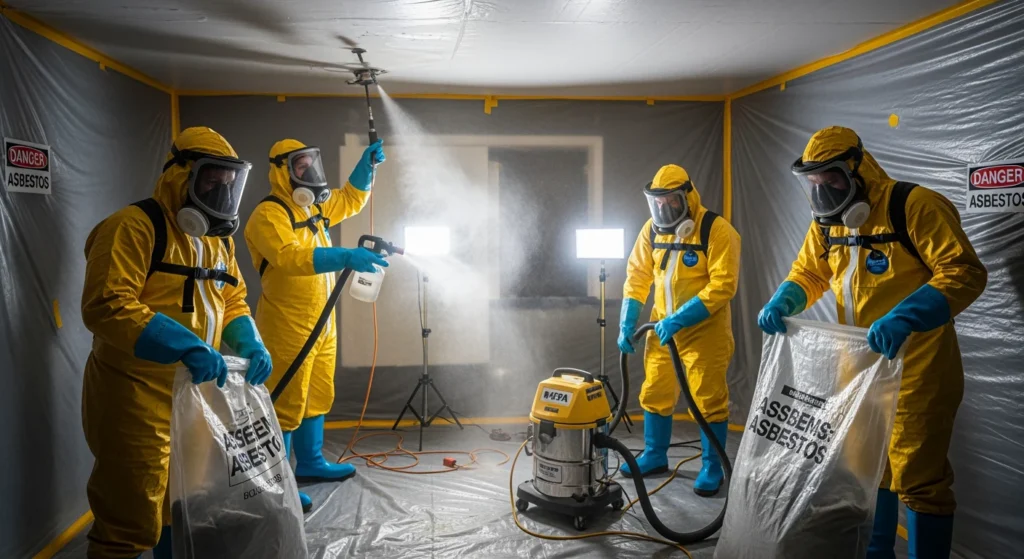
At Upper Restoration, our licensed team handles:
- Safe sampling and lab testing
- Full containment setup (if removal is needed)
- Certified asbestos abatement and disposal
- Post-removal air clearance testing
We’re certified to keep you — and your family — safe at every step.
Final Thoughts
If you live in an older home, it’s worth asking: Could there be asbestos here?
Even if there’s no visible problem today, knowing what to watch for — and what to avoid — can prevent costly mistakes and long-term health risks.
When in doubt, don’t touch.
Call Upper Restoration for a certified asbestos inspection and clear, honest answers.
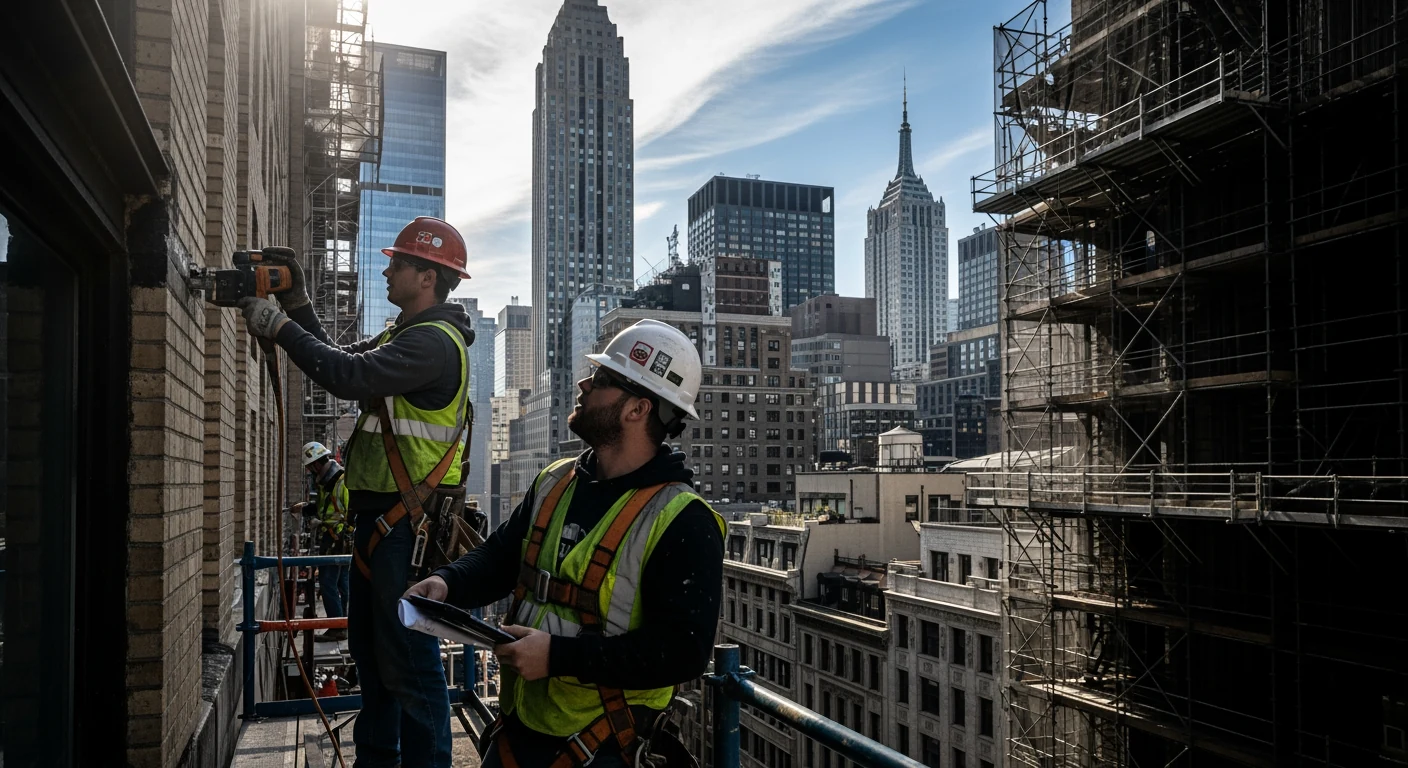
Upper Restoration provides professional licensed asbestos abatement services across Nassau County, Suffolk County, and all five NYC boroughs — available 24/7.
Schedule your asbestos evaluation — we’re available 24/7 across the Tri-State.
Need professional asbestos abatement on Long Island? Upper Restoration provides licensed asbestos abatement and removal services across NYC and Long Island. Contact us for a free assessment.