Water Extraction Pricing in Long Island: What Really Impacts the Cost
When water enters your home unexpectedly, the priority is clear: get it out — fast. But as soon as the initial shock fades, one question comes up for nearly every homeowner: How much will this cost?
The answer? It depends. But the good news is that we can explain exactly what it depends on — and help you make sense of it without surprises.
Why Water Type (Category 1, 2, or 3) Matters for Cost
One of the biggest factors in water damage pricing is the category of the water — which refers to how clean or contaminated it is.
- Category 1: Clean Water
This includes water from broken pipes, sink overflows, or toilet tank leaks. Because it’s relatively clean, it often requires basic extraction and drying only — and no demolition. - Category 2: Gray Water
Water from washing machines, dishwashers, or minor backups. This requires sanitizing procedures, PPE for technicians, and may involve some removal of materials like carpets or trim. - Category 3: Black Water
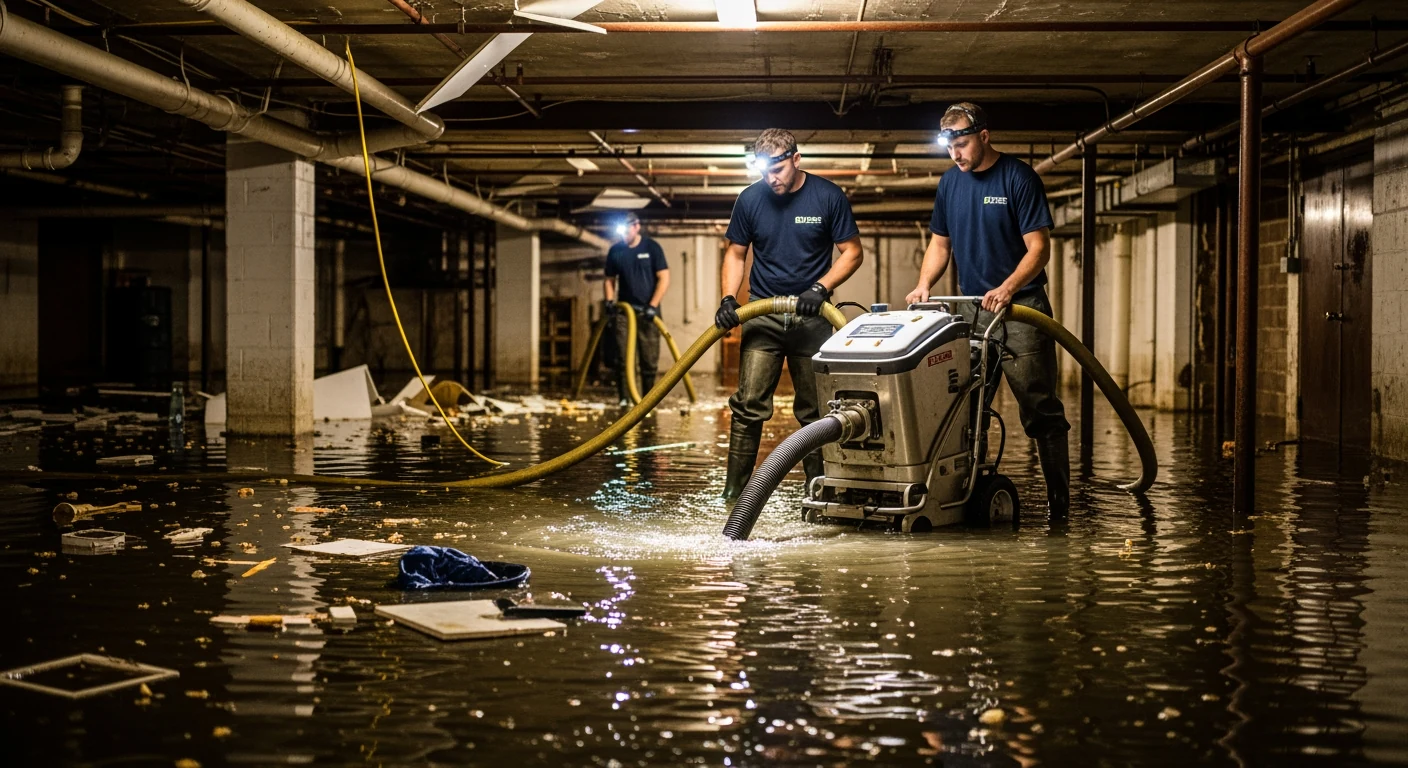
The most serious — sewage backups, stormwater intrusion, or toilet overflows with waste. Cleanup here involves full protective measures, removal of affected materials, and extensive disinfection. Naturally, this comes with the highest cost and complexity.
What Else Affects Water Extraction Cost?
- Size of the affected area: Larger square footage = more time and more equipment
- Type of surfaces affected: Carpet and drywall may need to be removed and replaced
- Time of service: Emergency weekend or after-hours calls may carry higher labor costs
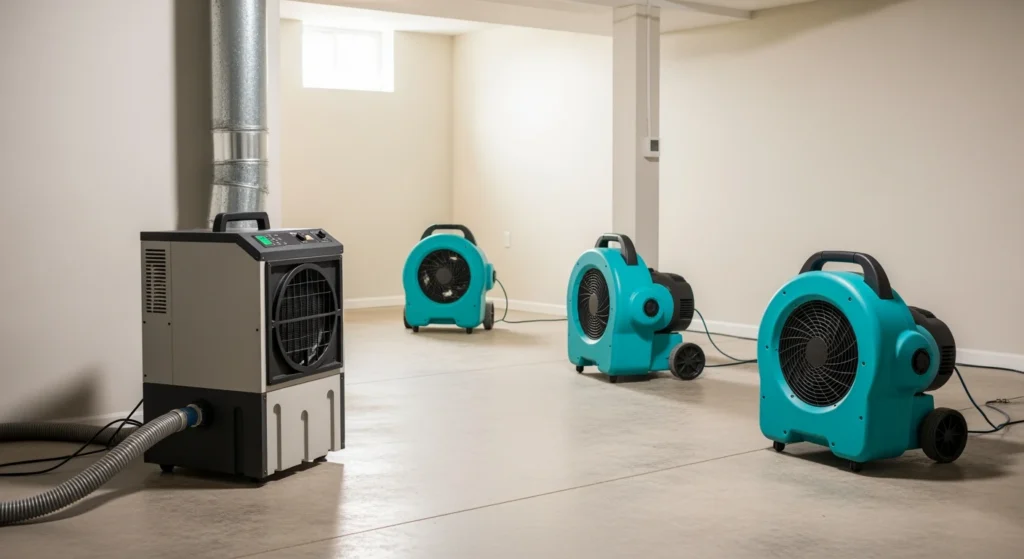
- Equipment needs: Advanced drying and filtration systems may be necessary for high-risk jobs
- Mold risk level: The longer water sits, the more likely mold becomes an added issue — and a cost multiplier
General Cost Tiers (Conceptual Only)
Rather than list prices, it’s helpful to think of extraction costs as falling into three general bands:
- Basic water removal and dry-out (clean water, small area)
- Moderate cleanup and containment (gray water, medium area)
- Hazard-level mitigation with demo and rebuild (black water, multiple rooms)
Each project is unique, but the category of water is often the fastest way to estimate what tier your situation might fall into.
How We Approach Pricing at Upper Restoration
We believe in transparency — and that starts with education. When you call us:
- We’ll walk you through how we assess scope, category, and urgency
- We provide a clear, line-item breakdown of your project estimate
- We help you determine if your insurance may reimburse you (most homeowners don’t realize how much can be covered)
You’ll never get a mystery bill or “we’ll let you know later” pricing. Just a certified crew doing honest work — fast.
Want a Professional Assessment? We’re Ready.
Need emergency water extraction now?
We’ll assess your situation and explain what category your water damage falls under — and what it means for cleanup.
Contact Us
FAQ
Q: Is water extraction covered by insurance?
A: Often, yes — especially if the water damage was sudden and accidental. We can help you provide documentation to support your claim.
Q: How do I know what water category I have?
A: Our certified technicians will assess your situation during the initial inspection and explain the classification.
Upper Restoration provides professional water and flood damage restoration services across Nassau County, Suffolk County, and all five NYC boroughs — available 24/7.
Q: Can I clean it up myself to save money?
A: That depends on the category and scope. Improper cleanup can lead to mold or long-term structural issues — which may cost more later.
2026 Water Extraction Pricing Update for Long Island
Water extraction costs on Long Island increased moderately in 2026, driven by higher labor costs and increased demand following the active 2025 storm season. Understanding what actually drives extraction pricing helps homeowners evaluate quotes accurately and avoid being overcharged or underserved.
2026 Water Extraction Price Ranges
- Single room, clean water (Cat 1): $500–$1,500
- Basement, clean water source: $1,200–$3,500
- Basement, grey or black water (Cat 2/3): $2,500–$6,000+
- Whole-floor water loss: $4,000–$12,000
- Structural drying equipment (per day, 3–5 day average): $300–$600/day
The 5 Factors That Actually Drive Water Extraction Cost
- Water category: Cat 1 (clean) is cheapest; Cat 3 (sewage/black water) requires full PPE, antimicrobial treatment, and material disposal — costs 3–4x more than Cat 1
- Square footage affected: Larger affected area = more equipment and labor
- Material type: Concrete dries fast; hardwood floors, plaster walls, and spray foam insulation require significantly longer drying times
- Response time: Water present for 24+ hours before extraction begins dramatically increases total cost due to secondary mold risk and structural saturation
- Structural penetration depth: Surface water vs. water inside wall cavities or subfloor requires different equipment and longer drying cycles
What a Legitimate 2026 Quote Includes
- Water category assessment with documentation
- Affected square footage with moisture meter readings
- Equipment deployment plan (number and type of air movers + dehumidifiers)
- Daily drying logs (required by most insurance carriers in 2026)
- Expected drying timeline in days