Fire-Damaged Heirlooms: Can They Be Saved? A Conservator’s Guide
After a fire, the first thing most homeowners ask isn’t about drywall or flooring — it’s about the items that can’t be replaced. Family photos, wedding china, passed-down furniture, or childhood keepsakes often carry more emotional weight than anything else.
The good news? Many of these items can be saved — if you act quickly and follow the right steps. Here’s what you need to know.
What Happens to Personal Belongings in a Fire?
Not all fire damage is the same. Depending on how close an item was to the flames, it might be affected by:
- Heat exposure that warps, cracks, or melts materials
- Smoke and soot that coat and stain surfaces
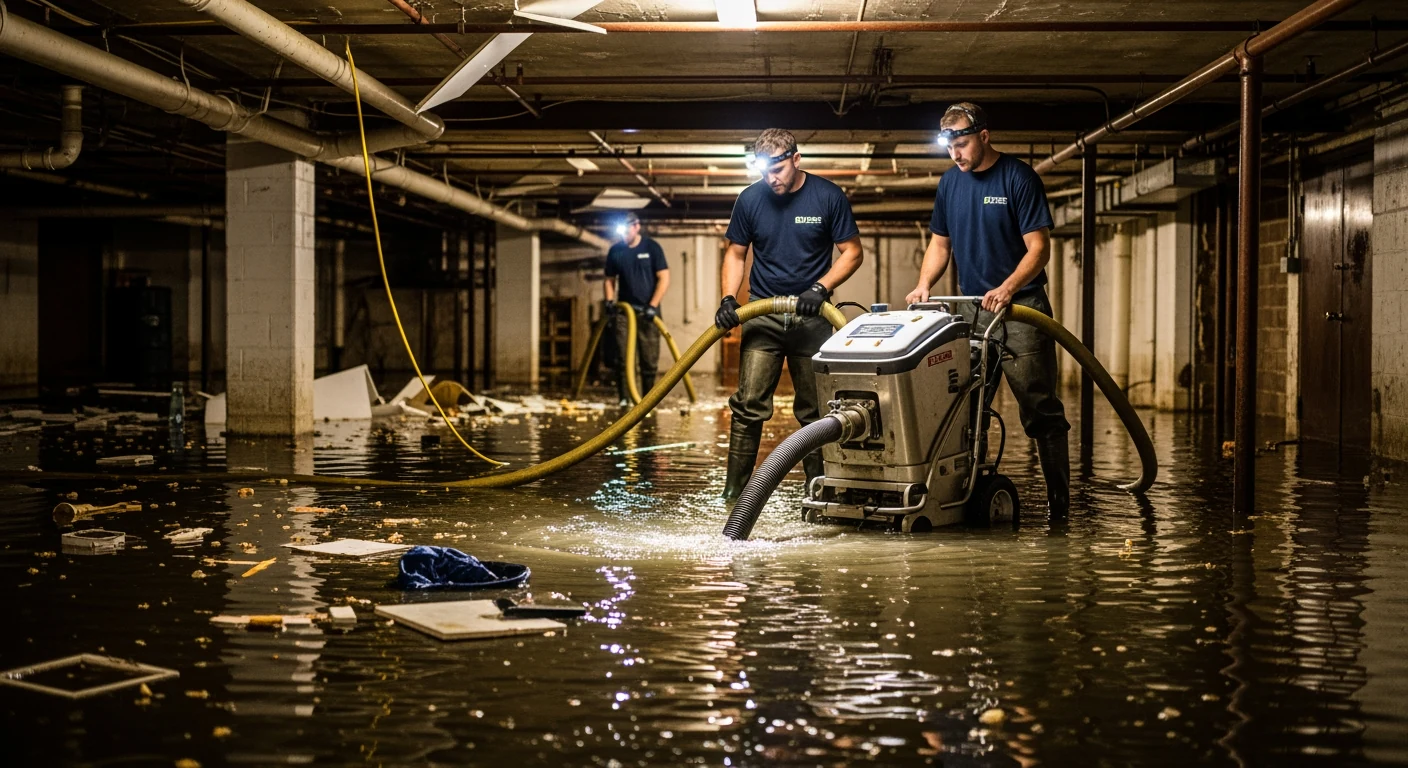
- water damage from extinguishing efforts
Some materials — like metal, glass, and certain ceramics — hold up better. Others, like paper, fabrics, and porous items, can suffer more complex damage.
Items Most Commonly Restorable After Fire Damage
- Jewelry and metal items: These often survive the heat but may require delicate cleaning to remove soot and tarnish.
- Ceramics and glassware: Non-porous and often just need thorough surface cleaning.
- Framed artwork and photographs: If not directly burned, many can be restored using controlled drying and image recovery.
- Books and documents: Can sometimes be saved using freeze-drying and vacuum methods, especially if not saturated.
What Usually Can’t Be Recovered
- Heavily charred or burned items
- Upholstery soaked with water and soot
- Plastics that have melted or warped
- Electronics with internal damage
- Porous materials with embedded smoke odor or toxins
That said, sentimental items can still have symbolic value even in partial restoration — so don’t discard anything until a professional assesses it.
First Steps to Protect Damaged Belongings
- Don’t handle fragile or soot-covered items with bare hands
- Avoid wiping surfaces — soot can smear or grind into materials
- Take photos of every item in its post-fire state
- Place items in breathable containers (no plastic bags)
- Label containers and keep them in a dry, ventilated space
These simple steps can preserve your chances of successful recovery later.
How Professionals Restore Personal Items
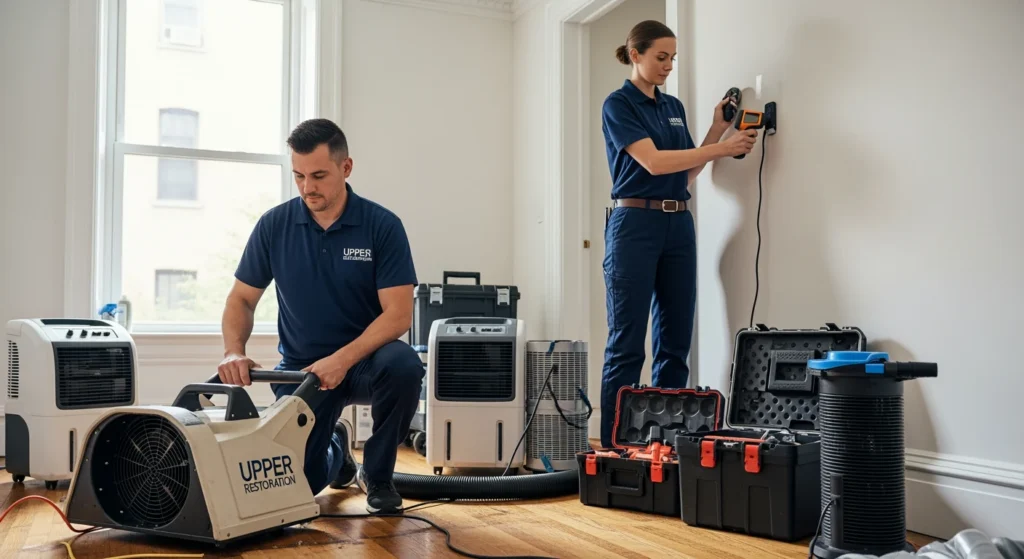
Depending on the material and type of damage, certified restoration teams may use:
- Ultrasonic cleaning for jewelry, tools, and hard goods
- Freeze drying for books and documents
- HEPA-filtered vacuuming for soot removal
- Ozone or hydroxyl chambers to eliminate odor
- Manual detail cleaning with specialized products
Each item is triaged, categorized, and treated accordingly. In many cases, the goal is both visual restoration and neutralization of lingering smoke toxins.
When to Let Go — and When to Try
Some items are just too damaged to bring back. But others are worth trying — not just because of their monetary value, but because of what they represent.
A professional inspection can help you decide where to invest in restoration and where replacement might make more sense. Most importantly, don’t make those calls alone or too early.
We Can Help You Make the Right Call
Not sure what can be saved after a fire?
Our certified team can assess your belongings and recommend next steps — fast.
Contact Us
FAQ
Q: Can smoke-damaged jewelry be cleaned?
A: Yes — metal items can often be cleaned using ultrasonic equipment and polishing solutions.
Q: What should I do with wet documents or photos?
A: Place them flat in a dry space or freeze them. Don’t try to separate stuck pages.
Upper Restoration provides professional fire and smoke damage restoration services across Nassau County, Suffolk County, and all five NYC boroughs — available 24/7.
Q: Is it expensive to restore fire-damaged belongings?
A: It depends on the item, material, and level of damage. We provide upfront estimates during assessment.