10-Minute mold inspection Checklist for NYC Apartments
Mold is a silent threat — and in older NYC apartments, it can spread quickly in places you rarely look. Whether you manage multiple properties or just want to stay ahead of complaints, a fast visual inspection can go a long way toward preventing tenant issues, property damage, and liability.
This 10-minute checklist is designed for landlords, supers, and property managers to spot the early signs of mold — before a small issue becomes a costly remediation job.
Why Fast Mold Checks Matter in NYC Buildings
New York apartments deal with a perfect storm of conditions: fluctuating humidity, aging infrastructure, and compact living spaces. A small leak can easily go unnoticed until the damage becomes serious — and mold thrives in just 24 to 48 hours under the right conditions.
Regular walkthroughs help you catch red flags early and respond before your tenants do.
What You’ll Need Before You Start
- Flashlight
- Phone camera
- Gloves and mask
- (Optional) Moisture meter for high-risk areas
No need for special equipment — just your eyes and a systematic approach.
8-Step Mold Checklist for NYC Apartments
- Ceilings and Upper Corners: Check for yellowing, bubbling paint, or spiderweb-like stains — early signs of mold growth behind drywall.
- Around Windows and Sills: Look for condensation, peeling paint, or dark spotting — especially in poorly ventilated units.
- HVAC Vents or Wall Units: Shine a flashlight inside vents. Mold can accumulate in filters and duct edges.
- Under Sinks and Near Plumbing: Check inside cabinets for warped wood, staining, or mildew odor.
- Behind and Under Appliances: Move dishwashers, fridges, and washing machines to inspect hidden wall or floor moisture.
- Bathroom Tiles, Grout, and Fans: Look for mold in tile corners and test if exhaust fans are working properly.
- Baseboards and Flooring Edges: Discoloration or bubbling along the base may indicate hidden leaks.
- The Smell Test: If the unit smells musty — even if you see nothing — that’s often the first warning sign.
What to Document and Report
If you see something suspicious:
- Take clear, timestamped photos
- Note the unit, location, and size of any stain
- Record any musty odors or ventilation issues
- Flag areas for follow-up testing or immediate action
You don’t need to prove it’s mold on the spot — just flag what needs escalation.
Next Steps if You Spot Mold
- Don’t wipe or disturb the area.
- Notify your internal maintenance or property manager.
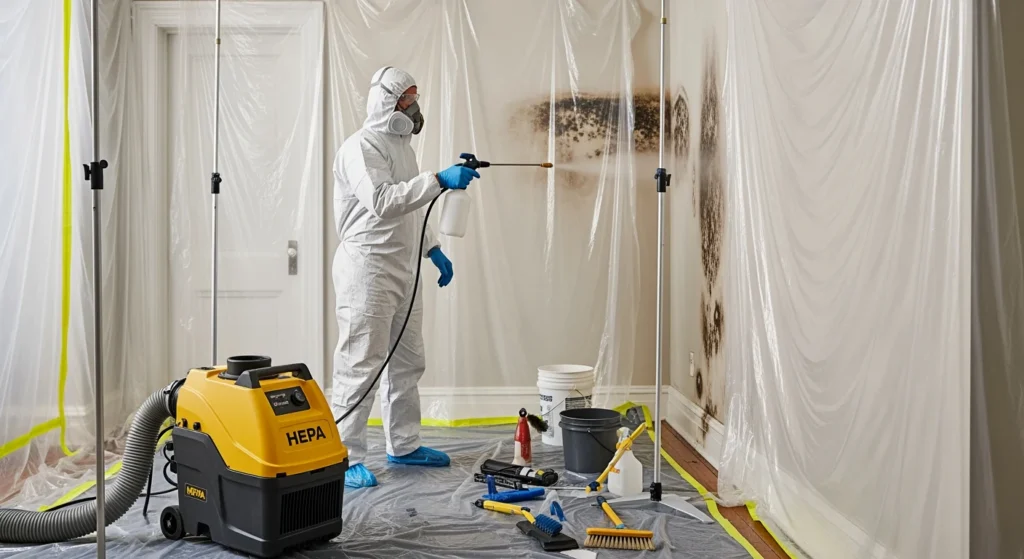
- Contact a certified mold remediation team to assess and confirm.
The sooner you involve professionals, the more likely you are to contain the issue, minimize tenant disruption, and reduce remediation costs.
Need Professional Mold Help in NYC?
Spotted mold or need a second opinion?
Our licensed mold team serves NYC apartments and properties with fast, compliant inspections.
Contact Us
FAQ
Q: What does mold smell like in an apartment?
A: Most people describe it as musty, earthy, or like wet cardboard.
Q: Should I remove mold myself if I find it?
A: No. Disturbing mold can release spores. Document and report it first.
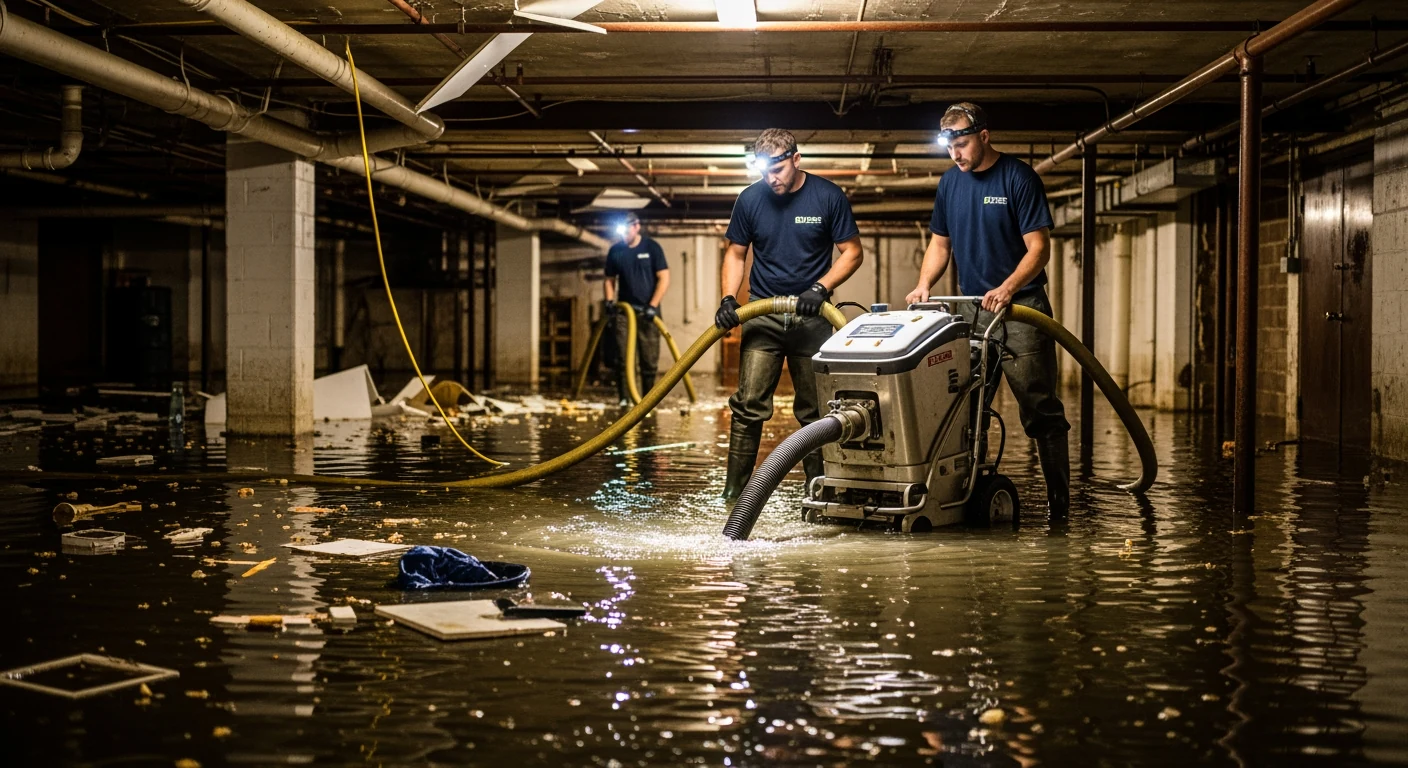
Upper Restoration provides professional water and flood damage restoration services across Nassau County, Suffolk County, and all five NYC boroughs — available 24/7.
Q: Are landlords required to fix mold issues in NYC?
A: Yes, under NYC housing code. Professional remediation is often required.
2026 Update: What to Look for Before Calling a Professional
This DIY checklist helps NYC apartment residents identify visible mold indicators, moisture sources, and Local Law 55 trigger conditions before deciding whether to file a 311 complaint or call a licensed assessor. In 2026, more NYC tenants are conducting pre-inspection walkthroughs to document conditions before landlords can claim the issue was pre-existing.
The 10-Minute Apartment Mold Checklist (2026)
Bathroom (3 minutes)
- ☑ Grout lines between tiles — look for black, green, or grey discoloration
- ☑ Caulk around tub and shower base — bubbling or dark spotting indicates moisture intrusion
- ☑ Under sink cabinet — check for soft wood, water stains, or musty odor
- ☑ Exhaust fan — run it; if it barely pulls air, moisture is likely accumulating in the room
- ☑ Ceiling above shower — staining or peeling paint indicates recurring condensation
Kitchen (2 minutes)
- ☑ Under sink — check for drip stains, soft cabinet floor, or black spotting
- ☑ Behind refrigerator — pull out slightly and check for condensation pooling or mold on the back wall
- ☑ Window sills — condensation-prone in winter; check for black spotting on painted sill
Bedroom and Living Areas (3 minutes)
- ☑ Exterior wall corners near floor — the coldest spots in most NYC apartments
- ☑ Behind large furniture on exterior walls — check for white salt deposits (efflorescence) or black spotting
- ☑ Window frames and reveals — check for black spotting along the frame
- ☑ Musty odor in closets — closed-off spaces with exterior walls are high-risk zones
Document Everything
- ☑ Photograph all findings with timestamps before notifying your landlord
- ☑ Note dates of any prior water events (pipe leaks, ceiling leaks, flooding)
- ☑ If mold exceeds 10 sq ft anywhere: this triggers Local Law 55 — landlord must remediate within 7 days
When DIY Inspection Isn’t Enough
Visual inspection only reveals surface mold. Hidden mold inside walls, subfloors, or HVAC systems requires moisture meter testing and air sampling by a licensed mold assessor. If you smell mold but can’t see it, or if the same spot keeps returning after surface cleaning, a professional assessment is warranted.