
Fire Damage Restoration Process: Step-by-Step Guide for NYC & Long Island Homeowners

The fire damage restoration process has 8 phases: emergency board-up, damage assessment, water extraction, soot removal, drying, odor neutralization, reconstruction, and final inspection. Full timeline, costs, and insurance guidance for NYC and Long Island.
What Does a Restoration Company Do? Services Explained
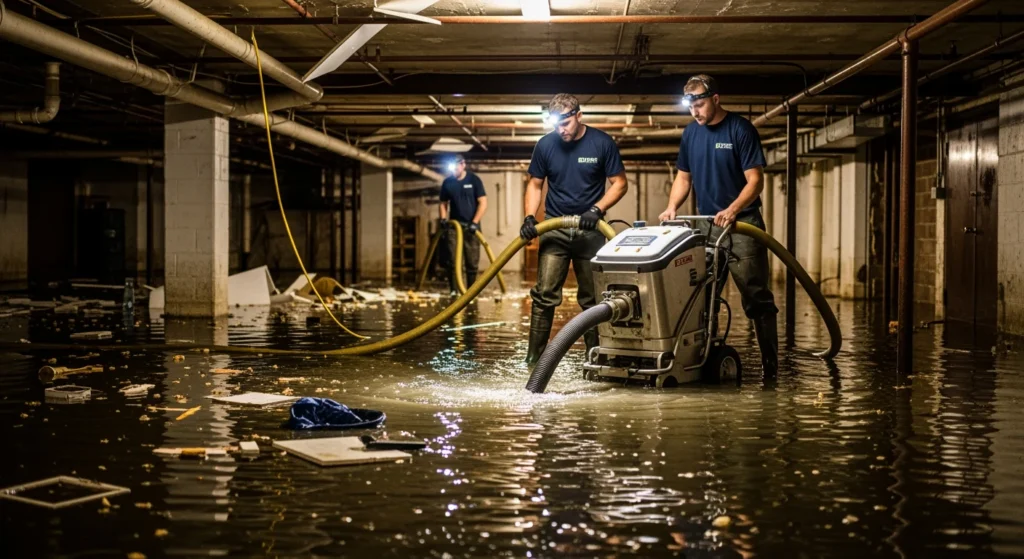
Restoration companies provide emergency water, fire, and mold remediation; biohazard cleanup; insurance coordination; and complete damage restoration services.
Psychrometrics for Structural Drying: How Temperature, Humidity, and Dew Point Drive Restoration
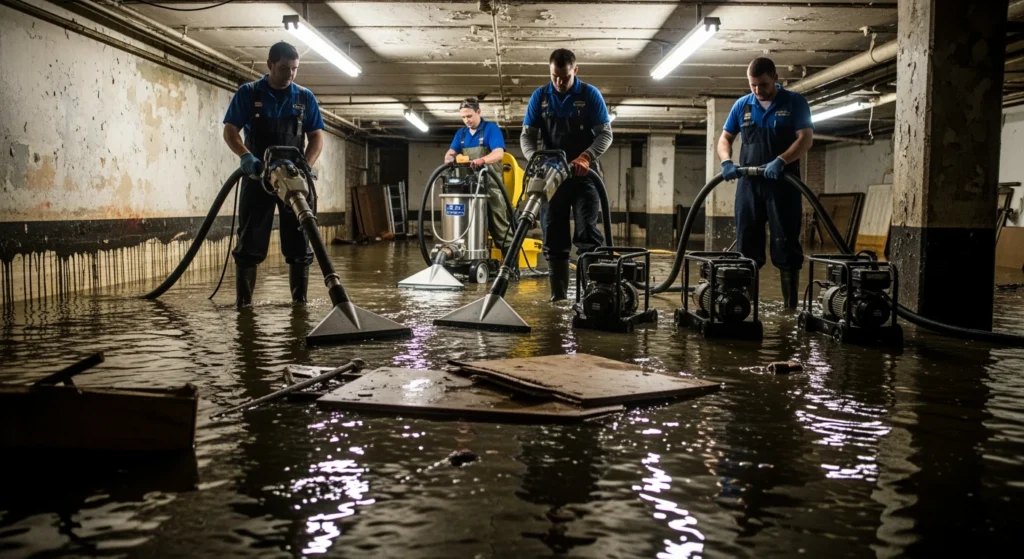
Psychrometrics — the science of moisture in air — is the technical foundation that separates professional structural drying from equipment guessing. Understanding how temperature, relative humidity, grain depression, and dew point interact explains why drying logs matter and what they should show.
Institutional Asbestos Management: AHERA Requirements for Long Island Schools
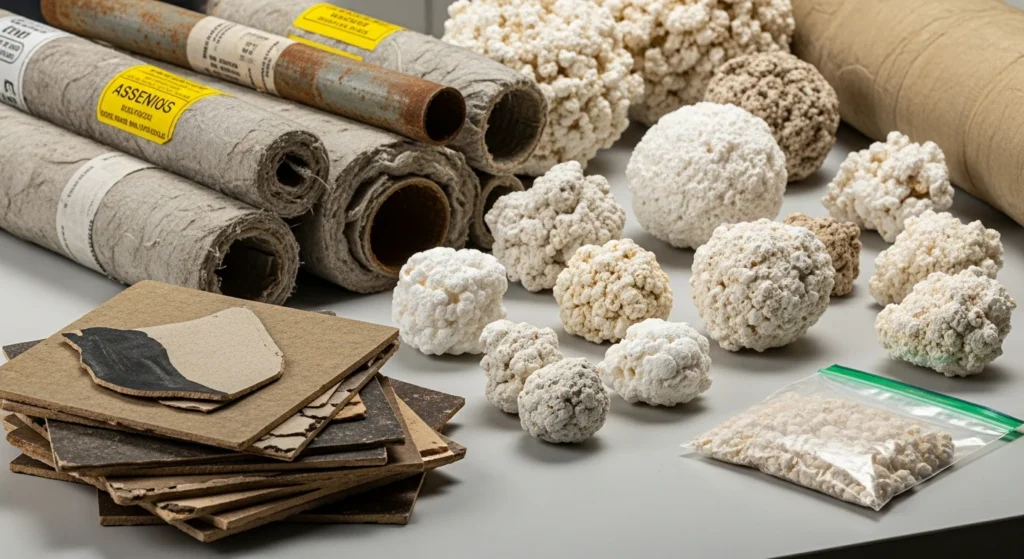
The Asbestos Hazard Emergency Response Act (AHERA) requires every Long Island school district to maintain a management plan for asbestos-containing materials in school buildings, conduct periodic inspections, and provide annual notification to parents and staff. This is what AHERA requires and what happens when school districts fail to maintain compliance.
Asbestos Tile Mastic: The Hidden ACM Beneath New Flooring in Long Island Homes
Thousands of Long Island homes have new flooring installed over original 9-inch vinyl asbestos tiles — and the black mastic adhesive beneath those tiles is almost always also asbestos-containing. This hidden ACM layer is the most frequently overlooked asbestos in Long Island residential renovation.
Pre-1960 vs. 1960-1980 Long Island Construction: Different Asbestos Profiles
The asbestos risk profile of a 1952 Cape Cod is materially different from a 1971 split-level — different materials, different concentrations, different abatement approaches. Long Island has both in enormous quantities, and understanding the construction-era-specific asbestos profile helps homeowners and contractors plan renovation and restoration projects accurately.
NYS DEC Code Rule 56: The Compliance Checklist for Long Island Renovation Projects
Code Rule 56 is New York State’s primary asbestos regulation governing renovation and demolition projects — it applies to every renovation project in Long Island buildings built before 1987, regardless of size. This is the complete compliance checklist for Long Island homeowners, contractors, and property managers.
Asbestos in HVAC Systems: When Duct Insulation and Plenum Lining Become Dangerous
Long Island homes built with oil-fired forced-air heating before 1975 frequently contain asbestos-containing duct insulation, plenum board, and air handler components. Understanding where HVAC asbestos is found, when it is dangerous, and what Code Rule 56 requires before any HVAC work helps Long Island homeowners and contractors avoid costly compliance failures.
When Drywall Must Be Demolished vs. Dried in Place: The S500 Decision Framework
The decision to demolish wet drywall versus attempt to dry it in place is the most consequential scope determination in water damage restoration — it drives cost, timeline, and mold risk. Understanding the framework helps Long Island homeowners evaluate their contractor’s recommendations.
IICRC S500 Standard: What It Means for Your Long Island Water Damage Claim
The IICRC S500 is the professional standard that defines how water damage restoration must be performed — understanding its key provisions helps Long Island homeowners verify their contractor’s work and support their insurance claims.
